
Ingredients Categories
Finished Products
Finished Food Categories
- Bakery
- Beverages / Juices
- Cereal and grain products
- Confectionery
- Cooking Fats & Oils
- Dairy
- Egg products
- Fruits & Vegetables
- Infant & Baby food
- Meat, Poultry & Fish
- Nuts & Seeds products
- Other Finished Food Categories
- Pet Food
- Plant-based foods
- Prepared foods
- Sauces & Seasonings
- Sweet & Savoury Spreads
Specialised Finished Products
- Bee products
- Biotic products
- Dietary supplements
- Energy drinks
- Functional beverages
- Functional confectionery
- Functional food
- Functional powders
- Meal replacement products
- Nutricosmetics
- Other Specialised Finished Products
- Pet Dietary Supplements
- Pharma and OTC products
- Protein products
- Sugar replacers / Sweeteners
Health & Wellness Areas
Delivery Formats
Operations & Services
- 3D printing
- Analysis/ Testing
- Auditing & certifications
- Blending & mixing
- Bottling
- Certification
- Clinical trials
- Co-packing
- Coating
- Consulting
- Contract manufacturing
- Drying
- Electrospinning
- Encapsulating
- Enzymatic processing
- Extracting
- Extrusion
- Fat structuring
- Fermentation
- Filling
- Flavour development
- Freeze drying
- Granulating/ grinding/ milling / mixing
- High-pressure processing
- Labelling
- Other Operations & Services
- Packaging
- Packet filling
- Pasturising
- Quality assurance
- Saccharification
- Shear cell processing
- Spray drying
- Sterilisation
- Storage & Logistics
- Tabletting
- Toasting / roasting
- Ultra-high temperature processing
News
The £10 ready meal opportunity: UK retail to see premium battle intensify
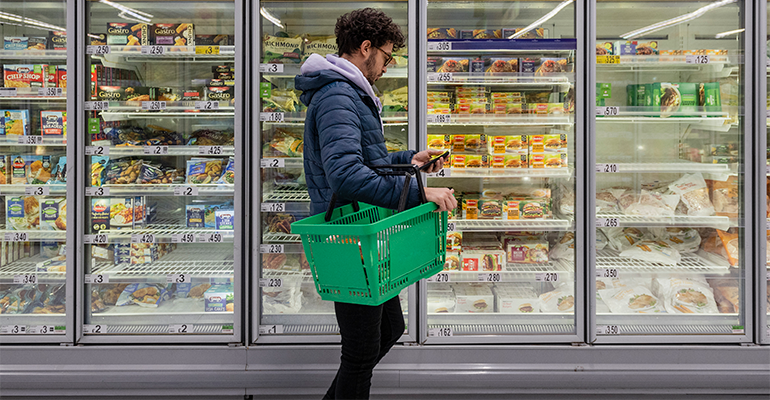
Kacey Culliney, Freelance Journalist 29 Sep 2026Premium ready meal innovation – with high-end meals retailing for £10 (around €12) – is heating up in the UK. What are the stand-out attributes for a winning product?
According to GlobalData, UK ready meals generated sales of £5 billion (€5.8bn) in 2025 following 5.2% CAGR between 2020 and 2025. And whilst 2025 represented the weakest year during the five-year period in performance terms, current business moves suggest that future innovation and growth is on the horizon.
At a glance:
- The UK's £5 billion ready meal category will see premium competition ramp up in the coming two years, as retailers and brands invest.
- According to an innovation expert, success will rely on quality products that offer convenience and value for money whilst offering a sense of occasion at home.
- Opportunities will span fridge, frozen, branded, own-brand, and chef-led but the true test will be in securing repeat purchases.
“The premium battle is intensifying”
In September, premium supermarket Waitrose & Partners announced plans to invest £10 million (€11.65m) over the next three years into revamping and expanding its ready meal offering. Premium frozen ready meal brand Cook also entered mainstream retail via the launch of its products onto online retail platform Ocado. And in August, UK meal kit company Gousto entered ready meals with the launch of its Heat & Eat microwave and oven-ready line. And with all of these products priced well above the standard supermarket ready meal price of £4 (€4.66), premium competition is clearly heating up.
“Premium ready meals and dine-in meal deals have already shown there's an appetite for a more special dinner at home. What I think is changing is how deliberately businesses are targeting that occasion,” said Liam Brown, food innovation expert and meals innovation lead at UK manufacturer Samworth Brothers. “I'd say the premium battle is intensifying,” Brown told Ingredients Network. “It's already happening and I'd expect competition to intensify over the next 12 to 24 months.”
Recent industry investments and launches are targeting the increasingly valuable space between the traditional £4 supermarket ready meal and £20 takeaways, he explained, where shoppers are looking for an elevated at-home dining experience within a reasonable price bracket. “Pressure on household budgets doesn't remove the desire for a treat,” he said. “A more expensive ready meal can still feel like good value if it delivers a special dinner for considerably less than going out. That's what makes the opportunity attractive: giving people a reason to spend more within the category while helping them spend less on the occasion.”
However, Brown said success in the premium ready meal category relies on products offering genuine quality, continued convenience, and good value for money. “I think the strongest opportunities will be meals that make dinner at home feel noticeably better, with very little extra effort by the customer.”
Charlie Bingham's, he said, is a standout example of a premium ready meal brand delivering on expectations; Wasabi is another strong example that proves a restaurant can translate its offering successfully into retail ready meals.
The challenge of creating a premium ready meal
First and foremost, though, Brown said a premium ready meal “must taste worth the money” and it must “cook reliably at home”. Meats need to be succulent, sauces have to offer real depth of flavour, and vegetables should have bite. “Delivering premium quality in a ready meal is difficult because the product has to perform through manufacturing, its shelf life, and reheating at home”.
In format terms, cooked meats with separate sauces and pickles, sharing centrepieces with sides, and pan-fried dishes that develop colour and texture all offer promise in the premium ready meal space, with room too for “familiar favourites executed exceptionally well”, he said.
When it comes to fridge versus freezer, Brown said there are opportunities in both aisles, though positioning differs. Chilled offerings suit spontaneous shoppers and are associated with freshness whereas frozen products provide reassurance of having a really good meal ready whenever it is needed, he said. “For premium frozen, the challenge is getting shoppers to see the freezer as somewhere to find a special dinner. For chilled, it's delivering on the quality expectations that freshness creates. In either aisle, the product has to prove its value once cooked.”
The real test centres on repeat purchase, he said. “A new brand or an interesting format can encourage someone to try it but they'll come back because the product delivered and felt worth the money. That's what will make this space commercially sustainable.”
Visibility for growth
Looking ahead, he said supermarkets will play an important role in making premium ready meals visible and helping shoppers understand why they're worth buying.
“One of the biggest challenges is reaching people who don't currently shop the aisle. Gondola ends, online discovery, and placement alongside complementary products can bring meals to their attention. Introductory promotions can encourage trial, but the communication needs to sell the food and the experience as well as the saving.”
Asked who will carve out the future of premium ready meals – supermarkets, brands, chefs, or celebrities – Brown said no one model will have a monopoly.
“Branded, chef-led, celebrity-fronted and own-label ranges can all succeed if the product delivers and if the price feels right. We spend a lot of time asking whether a product fits a brand; we should spend just as much time asking what the brand brings to the product.”

Get more of our news on Google
Set Ingredients Network as a 'Preferred Source' to get quicker access to the news you value.
Related news

Is creatine going mainstream in food and drink formulation?
24 Sep 2026
The functional ingredient creatine is gaining traction in the food and drink industry, as brands ramp up production investment and explore new applications.
Read more
Researchers call for spouted baby food pouches to be classified as drinks
23 Sep 2026
Half of spouted baby food pouches contain liquids that delay the development of feeding skills and should be called drinks, according to researchers.
Read more
New GRAS rules offer consumers confidence but companies are concerned
22 Sep 2026
Public health campaigners are celebrating the US government’s move to close the Generally Recognised as Safe (GRAS) loophole, but companies worry it will stifle innovation.
Read more
Climate-friendly shopping tips led to more sustainable and healthier purchases
16 Sep 2026
Shoppers offered climate-friendly grocery swaps in a simulated online store lowered their carbon footprint and purchased healthier foods.
Read more
Lidl says Britain 'significantly off track' with healthy and sustainable eating
15 Sep 2026
Discounter retailer Lidl has raised concerns about healthy and sustainable eating habits across Britain, spotlighting how affordability remains a barrier for consumers.
Read more
M&S launches own-brand pet food range
11 Sep 2026
UK retailer Marks & Spencer has launched its own-brand pet food line Paws & Pals – a well-timed and strategic move that will appeal to loyal shoppers, says a marketing expert.
Read more
Do the US dietary guidelines put UPFs under pressure?
10 Sep 2026
Will the US dietary guidelines change the way Americans eat, swapping ultra-processed foods for whole foods? We asked Dr Barry Popkin, renowned nutrition and obesity researcher.
Read more
Food fraud costs UK economy £2bn each year
9 Sep 2026
Food fraud is costing the UK economy up to £2 billion (€2.3 billion) every year although the food sector is more “resilient” than others, according to a recent study.
Read more
Kellogg accelerates work to remove artificial colours from all US cereals
3 Sep 2026
WK Kellogg has announced an accelerated timeline to eliminate all artificial colours and the chemical preservative, BHT, across its full US portfolio of cereals and cereal packaging.
Read more
‘Urgent gaps’ in achieving 2030 food system goals
27 Aug 2026
Global food systems are failing to meet 2030 targets across indicators including health, environment, and resilience, according to a report co-authored by the Food and Agriculture Organisation (FAO).
Read more