
Ingredients Categories
Finished Products
Finished Food Categories
- Bakery
- Beverages / Juices
- Cereal and grain products
- Confectionery
- Cooking Fats & Oils
- Dairy
- Egg products
- Fruits & Vegetables
- Infant & Baby food
- Meat, Poultry & Fish
- Nuts & Seeds products
- Other Finished Food Categories
- Pet Food
- Plant-based foods
- Prepared foods
- Sauces & Seasonings
- Sweet & Savoury Spreads
Specialised Finished Products
- Bee products
- Biotic products
- Dietary supplements
- Energy drinks
- Functional beverages
- Functional confectionery
- Functional food
- Functional powders
- Meal replacement products
- Nutricosmetics
- Other Specialised Finished Products
- Pet Dietary Supplements
- Pharma and OTC products
- Protein products
- Sugar replacers / Sweeteners
Health & Wellness Areas
Delivery Formats
Operations & Services
- 3D printing
- Analysis/ Testing
- Auditing & certifications
- Blending & mixing
- Bottling
- Certification
- Clinical trials
- Co-packing
- Coating
- Consulting
- Contract manufacturing
- Drying
- Electrospinning
- Encapsulating
- Enzymatic processing
- Extracting
- Extrusion
- Fat structuring
- Fermentation
- Filling
- Flavour development
- Freeze drying
- Granulating/ grinding/ milling / mixing
- High-pressure processing
- Labelling
- Other Operations & Services
- Packaging
- Packet filling
- Pasturising
- Quality assurance
- Saccharification
- Shear cell processing
- Spray drying
- Sterilisation
- Storage & Logistics
- Tabletting
- Toasting / roasting
- Ultra-high temperature processing
News
Top 20 global food retailers fail to report on methane emissions
Natasha Spencer-Jolliffe, Freelance Journalist 21 Apr 2025The world’s biggest food retailers are failing to tackle methane emissions in their supply chains, according to an analysis.
Global advocacy organisation Mighty Earth and NGO partner Changing Markets Foundation have published a Methane Action Tracker. In the tracker and its accompanying report, they reveal that of the top 20 global food retailers, not one reports on their methane emissions or has specific methane reduction targets.
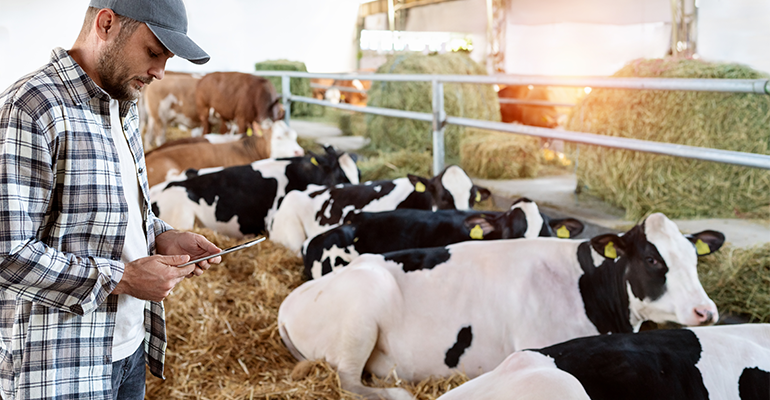
The two organisations analysed methane reductions in meat and dairy production, which comprise an estimated one-third of total emissions from these global food retailers. The 20 retailers analysed include household names like Ahold Delhaize, Carrefour, Lidl, Tesco, and Walmart.
In ranking and scoring retailers’ methane emissions reductions, they found that 19 of the 20 retailers secured fewer than 50% of the total points available for their methane-related sustainable activities.
Measuring methane as a contributor to climate change
Changing Markets Foundation and Mighty Earth chose to investigate methane as a specific metric after witnessing the negative effects of the potent greenhouse gas (GHG) on climate change.
“Methane has a warming effect 80 times more potent than carbon dioxide over 20 years, so it presents a major climate threat – but we have a critical opportunity to take urgent action and cut methane emissions now, to reduce further climate breakdown,” Maddy Haughton-Boakes, senior campaigner at Changing Markets Foundation, told Ingredients Network.
Methane plays a significant role in the relationship between climate change and sustainable actions. According to Changing Markets Foundation, research shows that meat and dairy production, which accounts for approximately one-third of supermarkets’ climate footprints, is the largest contributor to global methane emissions.
The findings prompted the report authors to demand more urgency in lowering the retail sector’s methane emissions, which are connected to the Intergovernmental Panel on Climate Change’s (IPCC) recommendations.
The United Nations Environment Programme’s Global Methane Assessment states that to restrict the globe’s temperature rise to 1.5°C, methane emissions must decrease by 40-45% by 2030.
“Food retailers have a moral obligation to commit to reducing their methane emissions by at least 30% by 2030, in line with the Global Methane Pledge, which was launched in 2021,” Haughton-Boakes said.
What does missing methane reporting mean?
The absence of methane emissions reporting and reduction targets in global retailers’ sustainability reports throws consumer trust and confidence in these businesses into question.
“There is no excuse for retailers’ lack of transparency in reporting on methane, especially when we know that some of them will be privately measuring their methane emissions,” said Haughton-Boakes.
“By choosing not to disclose this information, retailers likely recognise that it is much more difficult to hold them accountable and scrutinise their current climate strategies according to the reductions they need to make,” she added.
Changing Markets Foundation and Mighty Earth have yet to hear from the 20 retailers concerning why methane reporting is missing from their sustainability communications.
“We have not received any concrete reasons why retailers aren’t reporting on or have a methane reduction target – in fact, only a small handful of retailers have directly engaged. We welcome open dialogue on this issue with these companies,” Haughton-Boakes added.
How can food retailers respond?
“Retailers can no longer afford to ignore their role in driving methane emissions,” said Haughton-Boakes.
"In order to rapidly cut emissions at the scale that is needed, retailers must address overproduction and consumption of meat and dairy and invest in plant-based alternatives, as well as commit to transparent reporting on methane,” she added.
Changing Markets and Mighty Earth are urging retailers to set a target that will see them lower their methane emissions by a minimum of 30% by 2030. They are also calling on companies to report on these methane emissions annually.
As part of these reporting recommendations, the two organisations advise global food retailers to urgently develop climate plans to lower methane from meat and dairy sources. Additionally, they want to see companies implement greater public transparency in climate reporting and communicate their methane emissions. Next, they advise retailers to set an ambitious absolute methane reduction target.
Plant-based nutrition and formulation development is also a key part of the organisations’ advice for companies’ methane-related sustainability actions. Changing Markets and Mighty Earth urge retailers to increase their company ambitions for plant-based sales with a 60/40 split between plant-based nutrition and meat protein sources.

Get more of our news on Google
Set Ingredients Network as a 'Preferred Source' to get quicker access to the news you value.
Related news

M&S launches own-brand pet food range
11 Sep 2026
UK retailer Marks & Spencer has launched its own-brand pet food line Paws & Pals – a well-timed and strategic move that will appeal to loyal shoppers, says a marketing expert.
Read more
Do the US dietary guidelines put UPFs under pressure?
10 Sep 2026
Will the US dietary guidelines change the way Americans eat, swapping ultra-processed foods for whole foods? We asked Dr Barry Popkin, renowned nutrition and obesity researcher.
Read more
Food fraud costs UK economy £2bn each year
9 Sep 2026
Food fraud is costing the UK economy up to £2 billion (€2.3 billion) every year although the food sector is more “resilient” than others, according to a recent study.
Read more
Kellogg accelerates work to remove artificial colours from all US cereals
3 Sep 2026
WK Kellogg has announced an accelerated timeline to eliminate all artificial colours and the chemical preservative, BHT, across its full US portfolio of cereals and cereal packaging.
Read more
Skimpflation: An ‘unfair’ and risky approach to keeping prices low
2 Sep 2026
Consumers see skimpflation – reducing the quality of ingredients due to rising costs – as more unfair than shrinkflation, making it a risky strategy according to recent research.
Read more
NielsenIQ’s EU barometer shows Britain leading in grocery inflation
31 Aug 2026
Britain was the only country to record grocery inflation above 2%, according to NielsenIQ data that compared Europe’s five biggest grocery markets from February to May 2026.
Read more
‘Urgent gaps’ in achieving 2030 food system goals
27 Aug 2026
Global food systems are failing to meet 2030 targets across indicators including health, environment, and resilience, according to a report co-authored by the Food and Agriculture Organisation (FAO).
Read more
Seven-Eleven uses microbial testing tech to extend katsudon shelf life
26 Aug 2026
Japanese retail company Seven-Eleven has improved its factory’s microbial environment to keep comfort-food staple, katsudon, fresher for longer.
Read more
Chimac’s fusion sauces bring Korean flavours to Europe
25 Aug 2026
Irish sauce brand Chimac is tapping into Korea’s culinary traditions, bringing its flavours and products to European consumers who want a taste of K-food.
Read more
Global demand for instant noodles continues to rise
24 Aug 2026
Global demand for instant noodles reached 124.21 billion servings last year, representing a 0.7% year-on-year increase – or 900 million extra servings.
Read more