
Ingredients Categories
Finished Products
Finished Food Categories
- Bakery
- Beverages / Juices
- Cereal and grain products
- Confectionery
- Cooking Fats & Oils
- Dairy
- Egg products
- Fruits & Vegetables
- Infant & Baby food
- Meat, Poultry & Fish
- Nuts & Seeds products
- Other Finished Food Categories
- Pet Food
- Plant-based foods
- Prepared foods
- Sauces & Seasonings
- Sweet & Savoury Spreads
Specialised Finished Products
- Bee products
- Biotic products
- Dietary supplements
- Energy drinks
- Functional beverages
- Functional confectionery
- Functional food
- Functional powders
- Meal replacement products
- Nutricosmetics
- Other Specialised Finished Products
- Pet Dietary Supplements
- Pharma and OTC products
- Protein products
- Sugar replacers / Sweeteners
Health & Wellness Areas
Delivery Formats
Operations & Services
- 3D printing
- Analysis/ Testing
- Auditing & certifications
- Blending & mixing
- Bottling
- Certification
- Clinical trials
- Co-packing
- Coating
- Consulting
- Contract manufacturing
- Drying
- Electrospinning
- Encapsulating
- Enzymatic processing
- Extracting
- Extrusion
- Fat structuring
- Fermentation
- Filling
- Flavour development
- Freeze drying
- Granulating/ grinding/ milling / mixing
- High-pressure processing
- Labelling
- Other Operations & Services
- Packaging
- Packet filling
- Pasturising
- Quality assurance
- Saccharification
- Shear cell processing
- Spray drying
- Sterilisation
- Storage & Logistics
- Tabletting
- Toasting / roasting
- Ultra-high temperature processing
News
Toxic Free Food Act: US to close GRAS loophole
Natasha Spencer-Jolliffe, Freelance Journalist 16 Oct 2024Amid scientific, industry, and Congress backing, the US Food and Drug Administration (FDA) will create an assessment system for food chemicals under the Toxic Free Food Act to prevent food chemicals being commercialised without safety checks.
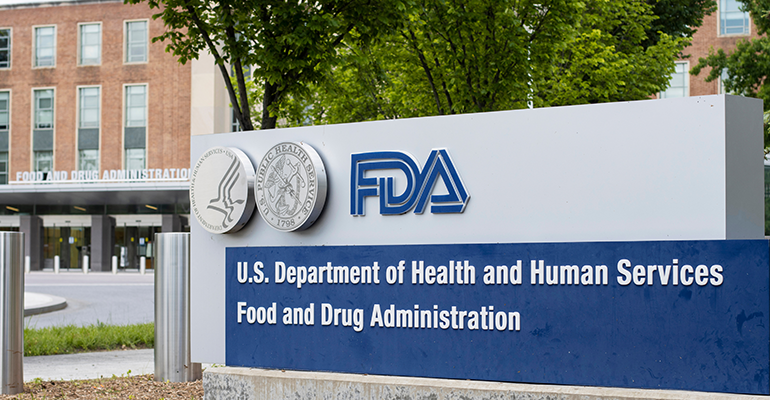
On 25 September, Congresswoman Rosa DeLauro introduced the Toxic Free Food Act to tackle the ‘General Recognised as Safe’ (GRAS) loophole. The decision comes after long-standing efforts to demonstrate that the loophole’s presence, which allows companies to declare their ingredients as safe without necessarily conducting rigorous safety testing, puts food safety and public health at risk.
The legislation requires the Food and Drug Administration (FDA) to close the GRAS loophole and ensure chemical food additives receive FDA approval and oversight. It would include specific restrictions on substances that cause cancer or human reproductive or developmental toxicity. The FDA is now working to create a postmarket assessment system for food chemicals.
Congresswoman DeLauro also sent a public comment to the FDA, urging the agency to close the GRAS loophole that allows companies to self-certify that new ingredients are safe for consumers and voluntarily choose to notify the FDA of their decisions.
A long-standing legal loophole
Industrialised food growth has led to a US legal loophole in US law for foods deemed GRAS. The oversight raises potential implications for food safety and public health, as it can lead to hazardous chemicals entering food products and bodies.
“The GRAS loophole allows food companies to decide whether additives are safe to add, skirting FDA oversight and allowing potentially dangerous chemicals to reach the market,” said Congresswoman Rosa DeLauro about the Bill. “That cannot stand.”
Industry support for introducing the Act includes endorsements from the Environmental Working Group, Consumer Reports, and the Center for Science in the Public Interest.
A recent analysis published in the American Public Health Association membership organisation has explored the FDA’s regulatory timeline regarding food ingredients and additives.
“Industry loves a loophole,” Dariush Mozaffarian, director of the Food is Medicine Institute, said in a LinkedIn post on one of the analysis’ core findings. “Thousands of compounds of dubious safety have been added to foods since 1990, with no oversight by FDA – or even knowledge they’re being added,” Mozaffarian said. The researchers of the recent analysis have been advocating for a stop to this lack of awareness and oversight.
GRAS status: Opening the floodgates
“Congress created the loophole in 1958,” Jennifer Pomeranz, associate professor at the School of Global Public Health at New York University, told Ingredients Network. The Food Additives Amendment of 1958 (FAA) allowed the FDA to require premarket approval of additives based on their intended use.
For a food additive to be considered GRAS and therefore excluded from the food additive pre-approval process, it must be “recognised, among experts qualified by scientific training and experience to evaluate its safety, as having been adequately shown through scientific procedures…to be safe under the conditions of its intended use”.
Research recognises that “scientific procedures” or “experience based on common use in food” have been given as methods to recognise safety. The absence of pre-approval safety has led some to question the FDA’s scrutiny of these substances deemed GRAS.
The GRAS exemption was designed to apply to substances typically considered “safe additives” before the arrival of the FAA. According to research, an estimated 1,000-plus chemicals were deemed GRAS and used in foods without FDA oversight or notification.
“However, the public health concerns are vast and go well beyond the loophole,” said Pomeranz. The loophole allows industry entities to introduce chemicals into the food supply without FDA or public knowledge. “But the additional problem is that the FDA does not have the resources, staff or a well-defined framework to evaluate the chemicals already in our food supply,” she added.
In addition, little action is then taken. “Even when there is evidence of harm, it can take decades for the FDA to require the removal of the ingredient,” said Pomeranz.
Aware that the US has ingredients in its food supply that are banned in Europe, states are acting to protect public health. Several substances banned in Europe are permitted in the US, including titanium dioxide (E171), brominated vegetable oil (BVO) (E443), potassium bromate (E924), azodicarbonamide (E927a) and propylparaben (E217).
“So, the loophole allows chemicals to enter the food supply without FDA oversight (or any premarket control), and then the FDA can’t and doesn’t evaluate all of them postmarket,” added Pomeranz.
In their analysis, researchers state several factors render relying on postmarket authority ineffective and unreliable to guarantee a safe food supply. These factors include the prominence of GRAS substances and additives in the food industry that require review, insufficient knowledge about the presence of self-GRAS ingredients, a lack of resources and time delays.
These led the researchers to recommend an alternative framework to evaluate the safety of GRAS substances and food additives. They suggest possible solutions to address the loophole and effectively work to close it, including a new, mandatory premarket GRAS notification or public affirmation process that sits alongside the ongoing use of the obligatory food additive premarket review process.
Researchers are also considering introducing a new regular, robust, transparent postmarket FDA review of GRAS substances and food additives. The researchers also suggest that the FDA adopts user fees, enabling them to proceed with a comprehensive premarket review of GRAS substances and food additives and additional resources agreed by Congress.

Get more of our news on Google
Set Ingredients Network as a 'Preferred Source' to get quicker access to the news you value.
Related news

Do the US dietary guidelines put UPFs under pressure?
10 Sep 2026
Will the US dietary guidelines change the way Americans eat, swapping ultra-processed foods for whole foods? We asked Dr Barry Popkin, renowned nutrition and obesity researcher.
Read more
Food fraud costs UK economy £2bn each year
9 Sep 2026
Food fraud is costing the UK economy up to £2 billion (€2.3 billion) every year although the food sector is more “resilient” than others, according to a recent study.
Read more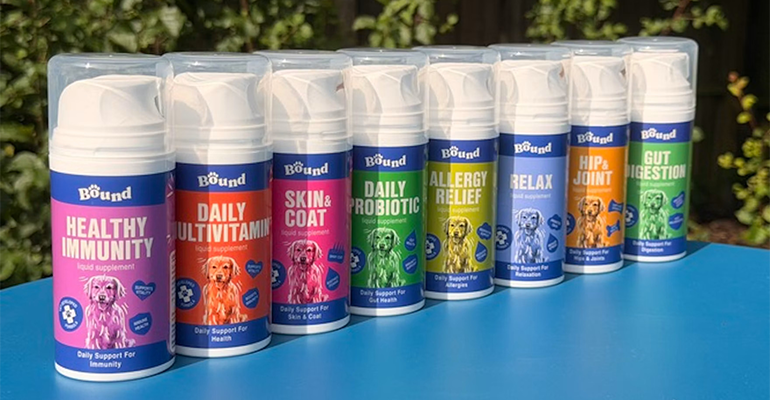
Pump-based liquid pet supplement focuses on health and convenience
8 Sep 2026
Prefera Pet Food uses a plastic pump-based packaging to make administering its liquid supplements for cats and dogs easier, healthier, and more accurate.
Read more
Health and wellness engagement matures across Middle East and Africa
4 Sep 2026
Many consumers in the Middle East and Africa are now proactively engaged in health and wellness, looking to integrate better habits and products into their daily lives, say experts.
Read more
Kellogg accelerates work to remove artificial colours from all US cereals
3 Sep 2026
WK Kellogg has announced an accelerated timeline to eliminate all artificial colours and the chemical preservative, BHT, across its full US portfolio of cereals and cereal packaging.
Read more
Royal Canin launches ‘freshly-cooked’ therapeutic dog food
1 Sep 2026
Mars-owned Royal Canin has moved into the therapeutic diet sector with the launch of its Fresh Veterinary Diets range for dogs with health conditions. We asked a veterinary nutritionist for her opinion.
Read more
‘Urgent gaps’ in achieving 2030 food system goals
27 Aug 2026
Global food systems are failing to meet 2030 targets across indicators including health, environment, and resilience, according to a report co-authored by the Food and Agriculture Organisation (FAO).
Read more
Seven-Eleven uses microbial testing tech to extend katsudon shelf life
26 Aug 2026
Japanese retail company Seven-Eleven has improved its factory’s microbial environment to keep comfort-food staple, katsudon, fresher for longer.
Read more
Chimac’s fusion sauces bring Korean flavours to Europe
25 Aug 2026
Irish sauce brand Chimac is tapping into Korea’s culinary traditions, bringing its flavours and products to European consumers who want a taste of K-food.
Read more
China beverages: Is herbal innovation the future?
20 Aug 2026
Herbal and botanical innovation in China's drinks market continues to grow, with ingredients like astragalus root, ginger, and ginseng in the spotlight – and focus shifting far beyond refreshment.
Read more