
Ingredients Categories
Finished Products
Finished Food Categories
- Bakery
- Beverages / Juices
- Cereal and grain products
- Confectionery
- Cooking Fats & Oils
- Dairy
- Egg products
- Fruits & Vegetables
- Infant & Baby food
- Meat, Poultry & Fish
- Nuts & Seeds products
- Other Finished Food Categories
- Pet Food
- Plant-based foods
- Prepared foods
- Sauces & Seasonings
- Sweet & Savoury Spreads
Specialised Finished Products
- Bee products
- Biotic products
- Dietary supplements
- Energy drinks
- Functional beverages
- Functional confectionery
- Functional food
- Functional powders
- Meal replacement products
- Nutricosmetics
- Other Specialised Finished Products
- Pet Dietary Supplements
- Pharma and OTC products
- Protein products
- Sugar replacers / Sweeteners
Health & Wellness Areas
Delivery Formats
Operations & Services
- 3D printing
- Analysis/ Testing
- Auditing & certifications
- Blending & mixing
- Bottling
- Certification
- Clinical trials
- Co-packing
- Coating
- Consulting
- Contract manufacturing
- Drying
- Electrospinning
- Encapsulating
- Enzymatic processing
- Extracting
- Extrusion
- Fat structuring
- Fermentation
- Filling
- Flavour development
- Freeze drying
- Granulating/ grinding/ milling / mixing
- High-pressure processing
- Labelling
- Other Operations & Services
- Packaging
- Packet filling
- Pasturising
- Quality assurance
- Saccharification
- Shear cell processing
- Spray drying
- Sterilisation
- Storage & Logistics
- Tabletting
- Toasting / roasting
- Ultra-high temperature processing
News
Water lentils approved as a vegetable in the EU
Tessa Wiles, Content Editor - Food 24 Feb 2025Water lentils have received approval from the European Food Safety Authority (EFSA) for production and consumption as fresh vegetable in the EU.
It has been a long process for researchers from Wageningen University & Research (WUR) in the Netherlands to secure this approval – nearly 10 years of research, in fact.
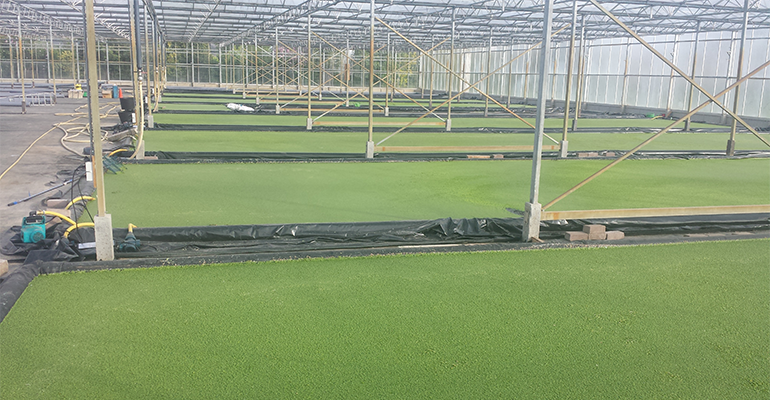
This included building and submitting a novel food dossier to EFSA to prove water lentils’ safety, nutritional value, and sustainable cultivation.
Water lentils: The new and sustainable green on the block
Water lentils (or duckweed) are small green aquatic plants that naturally grow on the surface of slow-moving or stagnant water, such as lakes and ponds. The plants can also be cultivated in closed environments and therefore have potential to be grown commercially using sustainable farming methods including greenhouses and or vertical farming.
As the plants grow on water, there is no need for agricultural land, high amounts of fertilisers, or excessive water use. The plant grows rapidly, in a manner similar to yeast, splitting into two every three to four days, then splitting again into four plants. While this means harvesting needs to happen around once to twice per week, it also means high yields per hectare per year.
Not only is the plant a sustainable crop, but it also offers an alternative to traditional food sources, supporting the global transition towards a more plant-based food system.
Water lentils are high in vitamins, minerals and carotenoids, and have an essential amino acid profile that fits the recommendation of the World Health Organization for children aged six months and above.
Water lentils categorised as novel food by EFSA
Despite their potential, water lentils, until now, had not been approved in the EU. Without EFSA approval, they could not legally be produced and sold for human consumption.
The team at WUR, led by senior researcher and bioscience department head Ingrid van der Meer – the initiator behind this research – sought to change this. Van der Meer told Ingredients Network that while the trajectory to EFSA approval is long, it is important.
“I think it's very good that we have these rules and legislation. Everything that was not eaten at a high extent before 1997 is seen in Europe as a novel food, and then if you want to put it on the market for human consumption, you need to submit a dossier with all the scientific and technological evidence showing that indeed it can be produced in a very hygienic way, is safe to eat, and can be digested by humans,” she explained.
EFSA approval process and novel food dossier
After compiling a dossier demonstrating the safety, sustainability, digestibility, and nutritional properties of water lentils, the team at WUR submitted it to EFSA for approval.
After several years, and plenty of back and forth between WUR and the EFSA committee –including additional questions and answers that required new research and results – EFSA considered everything to be safe, except for the manganese levels in the plant, which were deemed too high to be safely approved.
This led WUR to submit an additional report with scientific evidence, showing that slight modifications to the cultivation methods could lower manganese content in the plants to below the limit set by EFSA, 6 mg/kg.
In July 2024, EFSA granted approval, then it took an additional six months for the approval to be put into EU legislation.
The current EFSA approval is for two of the 36 species of water lentils, and the approval covers their use as a vegetable only. Van der Meer explained that drying the ingredient and selling it as a powder is not accepted, adding that twice, a company has attempted to gain approval for dried duckweed; however, both applications were rejected by the EFSA.
“There is about 95% water in the fresh plants. So, if you dry it, you really concentrate all the minerals that are present,” she said, explaining that this elevates mineral levels to unapproved limits.
Are consumers willing to get on board?
Water lentils, while not considered a staple food in Southeast Asia, are still widely consumed – while in the West, they are unfamiliar to consumers. To become a mainstream and sustainable food, consumer acceptance is just as important as regulatory approval.
However, here lies a problem. Food companies are hesitant to invest as they need reassurance that consumers will be interested, while consumers, in theory, can only be interested in, and demand a product once it is available.
Van der Meer sees it as “chicken and egg situation”. As of February 2025, no high-scale commercial cultivation in the EU has begun.
WUR has conducted consumer testing to understand how water lentils would be received on the European market. The testing included taste preferences, perceptions, and likelihood of adoption.
In the taste trials, volunteer participants tried soup, mashed potatoes, quiche, lasagna, pasta, and risotto containing water lentils. Initial responses were that the taste was unfamiliar.
However, after one day, many grew accustomed to the novel taste, and rated the dishes favourably, some even preferring water lentil soup over spinach-based soup.
WUR also conducted interviews and surveys with over 1,000 respondents, measuring the acceptability of water lentils in European diets. The results indicated a positive trend in consumer interest, but the researchers emphasised the importance of education around water lentils’ benefits to both planetary health and sustainability.

Get more of our news on Google
Set Ingredients Network as a 'Preferred Source' to get quicker access to the news you value.
Related news

Do the US dietary guidelines put UPFs under pressure?
10 Sep 2026
Will the US dietary guidelines change the way Americans eat, swapping ultra-processed foods for whole foods? We asked Dr Barry Popkin, renowned nutrition and obesity researcher.
Read more
Food fraud costs UK economy £2bn each year
9 Sep 2026
Food fraud is costing the UK economy up to £2 billion (€2.3 billion) every year although the food sector is more “resilient” than others, according to a recent study.
Read more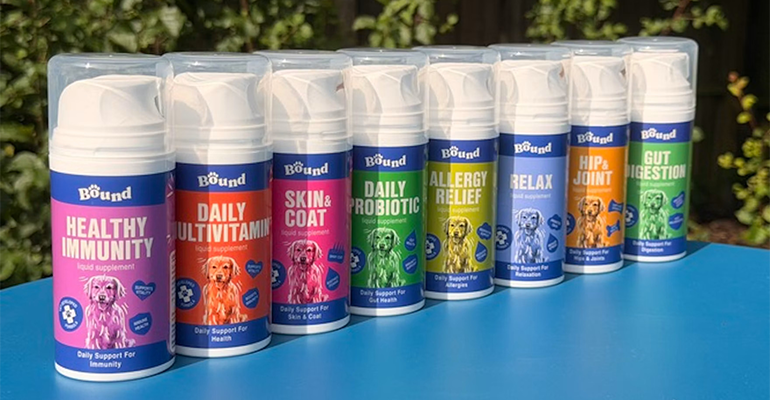
Pump-based liquid pet supplement focuses on health and convenience
8 Sep 2026
Prefera Pet Food uses a plastic pump-based packaging to make administering its liquid supplements for cats and dogs easier, healthier, and more accurate.
Read more
Health and wellness engagement matures across Middle East and Africa
4 Sep 2026
Many consumers in the Middle East and Africa are now proactively engaged in health and wellness, looking to integrate better habits and products into their daily lives, say experts.
Read more
Kellogg accelerates work to remove artificial colours from all US cereals
3 Sep 2026
WK Kellogg has announced an accelerated timeline to eliminate all artificial colours and the chemical preservative, BHT, across its full US portfolio of cereals and cereal packaging.
Read more
Royal Canin launches ‘freshly-cooked’ therapeutic dog food
1 Sep 2026
Mars-owned Royal Canin has moved into the therapeutic diet sector with the launch of its Fresh Veterinary Diets range for dogs with health conditions. We asked a veterinary nutritionist for her opinion.
Read more
‘Urgent gaps’ in achieving 2030 food system goals
27 Aug 2026
Global food systems are failing to meet 2030 targets across indicators including health, environment, and resilience, according to a report co-authored by the Food and Agriculture Organisation (FAO).
Read more
Seven-Eleven uses microbial testing tech to extend katsudon shelf life
26 Aug 2026
Japanese retail company Seven-Eleven has improved its factory’s microbial environment to keep comfort-food staple, katsudon, fresher for longer.
Read more
Chimac’s fusion sauces bring Korean flavours to Europe
25 Aug 2026
Irish sauce brand Chimac is tapping into Korea’s culinary traditions, bringing its flavours and products to European consumers who want a taste of K-food.
Read more
China beverages: Is herbal innovation the future?
20 Aug 2026
Herbal and botanical innovation in China's drinks market continues to grow, with ingredients like astragalus root, ginger, and ginseng in the spotlight – and focus shifting far beyond refreshment.
Read more