
Ingredients Categories
Finished Products
Finished Food Categories
- Bakery
- Beverages / Juices
- Cereal and grain products
- Confectionery
- Cooking Fats & Oils
- Dairy
- Egg products
- Fruits & Vegetables
- Infant & Baby food
- Meat, Poultry & Fish
- Nuts & Seeds products
- Other Finished Food Categories
- Pet Food
- Plant-based foods
- Prepared foods
- Sauces & Seasonings
- Sweet & Savoury Spreads
Specialised Finished Products
- Bee products
- Biotic products
- Dietary supplements
- Energy drinks
- Functional beverages
- Functional confectionery
- Functional food
- Functional powders
- Meal replacement products
- Nutricosmetics
- Other Specialised Finished Products
- Pet Dietary Supplements
- Pharma and OTC products
- Protein products
- Sugar replacers / Sweeteners
Health & Wellness Areas
Delivery Formats
Operations & Services
- 3D printing
- Analysis/ Testing
- Auditing & certifications
- Blending & mixing
- Bottling
- Certification
- Clinical trials
- Co-packing
- Coating
- Consulting
- Contract manufacturing
- Drying
- Electrospinning
- Encapsulating
- Enzymatic processing
- Extracting
- Extrusion
- Fat structuring
- Fermentation
- Filling
- Flavour development
- Freeze drying
- Granulating/ grinding/ milling / mixing
- High-pressure processing
- Labelling
- Other Operations & Services
- Packaging
- Packet filling
- Pasturising
- Quality assurance
- Saccharification
- Shear cell processing
- Spray drying
- Sterilisation
- Storage & Logistics
- Tabletting
- Toasting / roasting
- Ultra-high temperature processing
News
Women’s hormonal health: Familiar ingredients beat novel actives
Tessa Wiles, Content Editor - Food 13 Aug 2026Hormonal symptoms affect women across life stages, and FMCG Gurus says the ingredients best placed to support them are those with which they are already familiar.
For many years, product development within women’s hormonal health has focused on menopause. Only in recent years has this begun to broaden and target women across the life course.

At a glance:
- FMCG Gurus data suggests most women manage hormone-linked stress and fatigue with cognitive or gut-focused products.
- Magnesium is an important purchasing factor for 90% of women across generations, ahead of newer actives.
- FMCG Gurus recommends brands sell everyday outcomes like energy, heart, and bone health as opposed to hormone balance itself.
Consumer insights experts FMCG Gurus argues that the ingredients best placed to support hormonal health are those consumers already recognise.
In a trend digest entitled The Future of Women's Hormonal Health, it made the case that brands should build their products around familiar actives like magnesium, calcium, fibre, and probiotics, as opposed to novel and unfamiliar ingredients.
Women mistake hormonal symptoms for everyday stress
A large amount of unmet need comes from women misattributing hormonal symptoms as everyday stress, FMCG Gurus’ global consumer research suggests.
It found more than half of millennial women report stress (56%) and fatigue (52%) either some or most of the time, while two in five (41%) describe a lack of concentration and one in three (35%) reports general forgetfulness.
As these feelings are often associated with the pressure of a demanding job and a busy home life, women tend to read them as burnout as opposed to signals of hormonal shifts.
“It can be hard for women to tell whether these experiences are driven by lifestyle pressures or hormonal changes,” FMCG Gurus wrote.
This confusion has an influence on the type of products being purchased, with women meeting their needs through cognitive health and emotional wellbeing products rather than those positioned around hormones, the agency’s research suggests. Almost three in five (57%) gen X women, for example, are likely to seek out cognitive health products.
“This creates an opportunity for brands to close that gap by showing how hormonal fluctuations can play a role in mood, focus, and overall mental performance. By framing hormonal health around the everyday benefits consumers are already looking for, it becomes more relatable, relevant, and easier to connect with,” the trend digest authors wrote.
Why do women trust familiar ingredients like magnesium?
The digest’s key argument is that credibility in this category is centred around familiarity.
FMCG Gurus’ data shows that most consumers – 88% of millennials, 91% of gen X consumers, and 95% of baby boomers – consider magnesium as an important factor in their buying decisions.
While magnesium may be familiar, many women do not consume enough of it, however.
Magnesium deficiency is more common in women than men, and a 2025 review in Nutrients estimated that deficiency affects around 2.5 to 15% of otherwise healthy women, rising to around 20% of those aged 18 to 22 years.
“For brands, the opportunity lies not in introducing entirely new ingredients, but in educating consumers about how familiar ingredients may support hormonal wellness,” FMCG Gurus wrote.
“This familiarity is important because consumers tend to gravitate toward ingredients they know and trust, especially when addressing complex or sensitive health concerns.”
Market research from Innova Market Insights points in the same direction.
Its 2025 report on ingredients for women’s health supplements found that B vitamins are the most prevalent active in women’s health supplements, with magnesium positioned for mental wellbeing, and probiotics covering gut health and women’s intimate health.
Everyday foods and benefits appeal to women more than hormone balance
Familiarity extends into format as well.
FMCG Gurus found that women turn to familiar formats, like yoghurt, to “boost health”, including almost one in three (30%) millennials and gen X consumers (32%), and two in five (41%) boomers.
How a product is framed is another important aspect. Tangible outcomes and “outcomes consumers are already prioritising, such as energy, mobility, heart health, skin health, and overall vitality” are more of a motivation for women than hormone balance as an abstract outcome.
Almost two in three (63%) millennial women find products positioned around heart health appealing, while three in five (60%) gen X women say the same for bone and joint health.
“Rather than focusing solely on hormonal balance, brands should communicate how their products support everyday wellbeing and long-term health goals,” the digest authors wrote.
Innova’s 2025 research also found that women’s health supplements are already frequently paired with brain, mood, and energy claims.
Looking beyond menopause for women’s hormonal health
The digest also framed hormonal health as a category that reaches beyond specific life stages.
“This creates an opportunity to broaden the way hormonal health is positioned, moving beyond a narrow focus on menopause and instead linking it to wider healthy ageing,” the authors wrote.
Physical complaints that overlap with hormonal change happen across life stages, with one in three (34%) millennial and gen X women reporting hormonal heartburn, along with one in four (26%) boomers.
FMCG Gurus said positioning hormonal support as part of healthy ageing, and not a fix once symptoms show, will make the category feel more preventative, relevant, and empowering to a wider audience.

Get more of our news on Google
Set Ingredients Network as a 'Preferred Source' to get quicker access to the news you value.
Related news

Do the US dietary guidelines put UPFs under pressure?
10 Sep 2026
Will the US dietary guidelines change the way Americans eat, swapping ultra-processed foods for whole foods? We asked Dr Barry Popkin, renowned nutrition and obesity researcher.
Read more
Food fraud costs UK economy £2bn each year
9 Sep 2026
Food fraud is costing the UK economy up to £2 billion (€2.3 billion) every year although the food sector is more “resilient” than others, according to a recent study.
Read more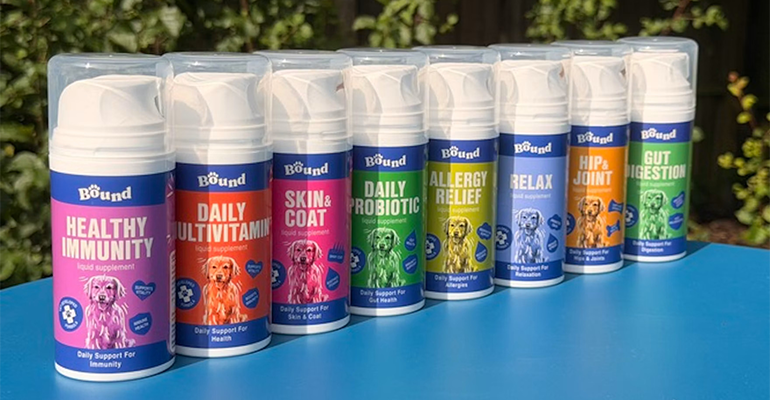
Pump-based liquid pet supplement focuses on health and convenience
8 Sep 2026
Prefera Pet Food uses a plastic pump-based packaging to make administering its liquid supplements for cats and dogs easier, healthier, and more accurate.
Read more
Health and wellness engagement matures across Middle East and Africa
4 Sep 2026
Many consumers in the Middle East and Africa are now proactively engaged in health and wellness, looking to integrate better habits and products into their daily lives, say experts.
Read more
Kellogg accelerates work to remove artificial colours from all US cereals
3 Sep 2026
WK Kellogg has announced an accelerated timeline to eliminate all artificial colours and the chemical preservative, BHT, across its full US portfolio of cereals and cereal packaging.
Read more
Royal Canin launches ‘freshly-cooked’ therapeutic dog food
1 Sep 2026
Mars-owned Royal Canin has moved into the therapeutic diet sector with the launch of its Fresh Veterinary Diets range for dogs with health conditions. We asked a veterinary nutritionist for her opinion.
Read more
‘Urgent gaps’ in achieving 2030 food system goals
27 Aug 2026
Global food systems are failing to meet 2030 targets across indicators including health, environment, and resilience, according to a report co-authored by the Food and Agriculture Organisation (FAO).
Read more
Seven-Eleven uses microbial testing tech to extend katsudon shelf life
26 Aug 2026
Japanese retail company Seven-Eleven has improved its factory’s microbial environment to keep comfort-food staple, katsudon, fresher for longer.
Read more
Chimac’s fusion sauces bring Korean flavours to Europe
25 Aug 2026
Irish sauce brand Chimac is tapping into Korea’s culinary traditions, bringing its flavours and products to European consumers who want a taste of K-food.
Read more
China beverages: Is herbal innovation the future?
20 Aug 2026
Herbal and botanical innovation in China's drinks market continues to grow, with ingredients like astragalus root, ginger, and ginseng in the spotlight – and focus shifting far beyond refreshment.
Read more