
Ingredients Categories
Finished Products
Finished Food Categories
- Bakery
- Beverages / Juices
- Cereal and grain products
- Confectionery
- Cooking Fats & Oils
- Dairy
- Egg products
- Fruits & Vegetables
- Infant & Baby food
- Meat, Poultry & Fish
- Nuts & Seeds products
- Other Finished Food Categories
- Pet Food
- Plant-based foods
- Prepared foods
- Sauces & Seasonings
- Sweet & Savoury Spreads
Specialised Finished Products
- Bee products
- Biotic products
- Dietary supplements
- Energy drinks
- Functional beverages
- Functional confectionery
- Functional food
- Functional powders
- Meal replacement products
- Nutricosmetics
- Other Specialised Finished Products
- Pet Dietary Supplements
- Pharma and OTC products
- Protein products
- Sugar replacers / Sweeteners
Health & Wellness Areas
Delivery Formats
Operations & Services
- 3D printing
- Analysis/ Testing
- Auditing & certifications
- Blending & mixing
- Bottling
- Certification
- Clinical trials
- Co-packing
- Coating
- Consulting
- Contract manufacturing
- Drying
- Electrospinning
- Encapsulating
- Enzymatic processing
- Extracting
- Extrusion
- Fat structuring
- Fermentation
- Filling
- Flavour development
- Freeze drying
- Granulating/ grinding/ milling / mixing
- High-pressure processing
- Labelling
- Other Operations & Services
- Packaging
- Packet filling
- Pasturising
- Quality assurance
- Saccharification
- Shear cell processing
- Spray drying
- Sterilisation
- Storage & Logistics
- Tabletting
- Toasting / roasting
- Ultra-high temperature processing
News
Health and wellness engagement matures across Middle East and Africa
Kacey Culliney, Freelance Journalist 4 Sep 2026Many consumers in the Middle East and Africa are now proactively engaged in health and wellness, looking to integrate better habits and products into their daily lives, say experts.
According to market research firm Mintel, consumers in the Middle East and North Africa (MENA) are showing a “growing inclination” towards health and wellbeing products.
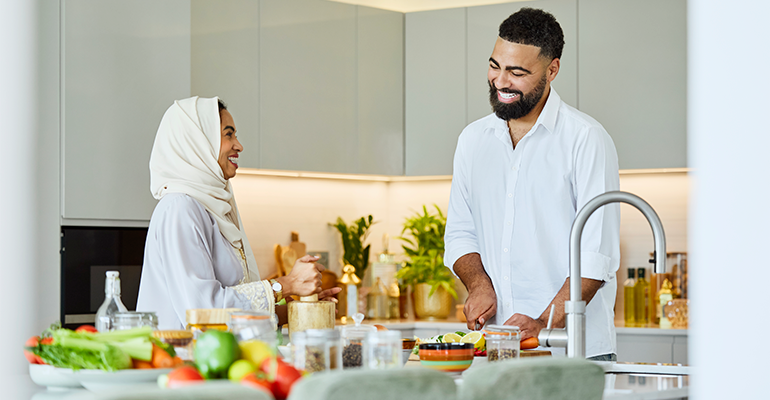
At a glance:
- MENA consumers are shifting to proactive health engagement, integrating wellness habits into their daily routines.
- Saudis are prioritising healthy foods for longevity; consumers are seeking gut health, fibre and natural ingredients.
- Millennials and women are leading wellness trends; brands are focusing on culturally aligned, affordable products.
The company's global 2025 report Health & Wellness Trends shows that weight, obesity, and diabetes are “prevalent concerns” in the region, alongside broader concerns around adapting lifestyle and food habits to live longer.
In Saudi Arabia, which has a population of around 36 million in 2026, according to Statista, 93% of consumers are choosing healthy foods because of the desire to live longer, Mintel data shows. And 78% of Saudi Arabian consumers claim to eat healthily “all or most of the time”. A look at how this translates into purchasing decisions suggests that just over one-third (37%) of consumers in the country look to support gut health and thus engage with brands offering such benefits. High-fibre content is also considered a top factor when choosing foods for 24% of Saudi consumers.
“Middle Eastern consumers increasingly seek products that support overall wellbeing, especially for gut health,” said Mintel. Importance is also placed on naturalness, vitamins, minerals, protein, fibre, and lower levels of sugar, fat, calories and salt because health credentials are seen as “an indicator of a product's value”.
Middle Easters consumers are embracing proactive health
Speaking to Ingredients Network, Julie Johnson, president of consumer behaviour specialist at market research company, HealthFocus International, said what stands out in the MENA region is how quickly overall engagement with health and wellness has matured.
“Not long ago, it felt more reactive – something people focused on only when there was a problem. Today, it's becoming far more proactive and lifestyle-driven, particularly in urban areas,” Johnson said.
“I would describe demand as building with intent. Consumers are not just aware of wellness; they're actively trying to integrate it into their daily lives, whether that's through better eating habits, fitness, or broader lifestyle changes.”
According to Johnson, younger consumers, particularly millennials, are leading the way in terms of overall wellness engagement, largely because they are taking a more holistic view of health. Female consumers are also “highly engaged”, she added, thinking not only about their own wellbeing but that of their families too.
The younger cohort are “open to experimenting with new approaches” and looking for products that tackle physical, mental and emotional wellbeing together. Women are making broader “household health decisions”, explained Johnson.
Amna Abbas, senior consultant at data analytics firm Euromonitor International, added that urban consumers and middle- to high-income groups across MEA are also particularly engaged in health, wellness, and nutraceutical products, largely due to “greater access to health information and premium products”. Similarly, consumers managing lifestyle-related conditions, such as obesity, diabetes, and heart disease, tend to use supplements and functional foods more in the region, Abbas said.
“Greater awareness of preventative healthcare, rising rates of lifestyle-related diseases, and improved access to health information have encouraged consumers to actively incorporate supplements, functional foods, and wellness products into their daily routines. At the same time, urbanisation, a growing middle class, and expanding e-commerce and retail channels have made these products more accessible across the region.”
Dietary supplement trends in the Middle East
According to Mintel, new product launches in the region show that “dietary compatible supplements” – those that carry vegan or no animal ingredient claims – are trending upwards, and have been for the last five years.
Johnson said it is clear that, compared to Europe and the US, there is a “stronger emphasis on cultural alignment” when it comes to what consumers look for in health and wellness products.
“Products that feel natural, familiar, or consistent with local values tend to resonate more than those that are purely clinical or trend-driven,” she said. In the dietary supplements space, for example, natural and plant-based options are gaining ground, likely as they feel more aligned with consumer expectations in the region.
However, she said accessibility, affordability, and clarity are still key barriers. “A lot of products feel out of reach for the average consumer, which limits adoption.”
Looking ahead, the consumer behaviour expert said the MENA is a market “still shaping its own definition of health and wellness” – moving beyond global trends and adapting to fit local realities. The real opportunity for industry, therefore, is in developing products that feel “relevant, accessible, and genuinely useful in people's everyday lives”.

Get more of our news on Google
Set Ingredients Network as a 'Preferred Source' to get quicker access to the news you value.
Related news

Do the US dietary guidelines put UPFs under pressure?
10 Sep 2026
Will the US dietary guidelines change the way Americans eat, swapping ultra-processed foods for whole foods? We asked Dr Barry Popkin, renowned nutrition and obesity researcher.
Read more
Skimpflation: An ‘unfair’ and risky approach to keeping prices low
2 Sep 2026
Consumers see skimpflation – reducing the quality of ingredients due to rising costs – as more unfair than shrinkflation, making it a risky strategy according to recent research.
Read more
‘Urgent gaps’ in achieving 2030 food system goals
27 Aug 2026
Global food systems are failing to meet 2030 targets across indicators including health, environment, and resilience, according to a report co-authored by the Food and Agriculture Organisation (FAO).
Read more
Seven-Eleven uses microbial testing tech to extend katsudon shelf life
26 Aug 2026
Japanese retail company Seven-Eleven has improved its factory’s microbial environment to keep comfort-food staple, katsudon, fresher for longer.
Read more
Chimac’s fusion sauces bring Korean flavours to Europe
25 Aug 2026
Irish sauce brand Chimac is tapping into Korea’s culinary traditions, bringing its flavours and products to European consumers who want a taste of K-food.
Read more
Global demand for instant noodles continues to rise
24 Aug 2026
Global demand for instant noodles reached 124.21 billion servings last year, representing a 0.7% year-on-year increase – or 900 million extra servings.
Read more
Popular barbecue staples experience sharp price increases
19 Aug 2026
The typical cost of US shoppers’ barbecue baskets has risen by 12% over the past year – the fastest annual rise in a decade, figures from The Economist show.
Read more
Hot NPD: Nissin launches first cold-water Cup Noodles
18 Aug 2026
Nissin is taking one of Japan’s most iconic instant meals in a completely new direction with the launch of the first cold water-only Cup Noodles in the brand’s 55-year history.
Read more
Manam Chocolate aims to bring premium Indian cacao to 'the world stage'
11 Aug 2026
Craft chocolate brand Manam Chocolate is investing in local expansion and supply chain innovation throughout India as it works to build out the premium reputation of its locally produced cacao products.
Read more
Savoury protein snacks shake up the on-the-go market
10 Aug 2026
Sweet flavours have dominated the high-protein snack category but savoury snacks, such as cheese bars and meat sticks, can appeal to health-conscious consumers.
Read more