
Ingredients Categories
Finished Products
Finished Food Categories
- Bakery
- Beverages / Juices
- Cereal and grain products
- Confectionery
- Cooking Fats & Oils
- Dairy
- Egg products
- Fruits & Vegetables
- Infant & Baby food
- Meat, Poultry & Fish
- Nuts & Seeds products
- Other Finished Food Categories
- Pet Food
- Plant-based foods
- Prepared foods
- Sauces & Seasonings
- Sweet & Savoury Spreads
Specialised Finished Products
- Bee products
- Biotic products
- Dietary supplements
- Energy drinks
- Functional beverages
- Functional confectionery
- Functional food
- Functional powders
- Meal replacement products
- Nutricosmetics
- Other Specialised Finished Products
- Pet Dietary Supplements
- Pharma and OTC products
- Protein products
- Sugar replacers / Sweeteners
Health & Wellness Areas
Delivery Formats
Operations & Services
- 3D printing
- Analysis/ Testing
- Auditing & certifications
- Blending & mixing
- Bottling
- Certification
- Clinical trials
- Co-packing
- Coating
- Consulting
- Contract manufacturing
- Drying
- Electrospinning
- Encapsulating
- Enzymatic processing
- Extracting
- Extrusion
- Fat structuring
- Fermentation
- Filling
- Flavour development
- Freeze drying
- Granulating/ grinding/ milling / mixing
- High-pressure processing
- Labelling
- Other Operations & Services
- Packaging
- Packet filling
- Pasturising
- Quality assurance
- Saccharification
- Shear cell processing
- Spray drying
- Sterilisation
- Storage & Logistics
- Tabletting
- Toasting / roasting
- Ultra-high temperature processing
News
Abbott launches infant formula with immune component
10 Dec 2020Infant nutrition company Abbott Nutrition launched its new Similac line Pro-Advance which is its “closest formulation to breast milk” and includes added 2’-FL HMO prebiotic for infant immune support. The company is launching this product in Canada where it will be available at major retailers.
Following 15 years of research, the company was able to scientifically replicate the immune component of human milk – oligosaccharide (HMO) 2'-Fucosyllactose – making it the first product in Canada with the ingredient in an infant formula. HMOs are the third most common component of breast milk following fat and carbohydrates known as lactose.

Abbott found that 2’-FL is the most abundant HMO in mothers’ breast milk and that this HMO is critical to a baby’s digestive health and immunity. Other studies also support this finding. Research published in the Journal of Nutrition found that babies that were fed with breast milk, as opposed to formula, had fewer gaps in immunity. When formula diets were supplemented with 2’-FL the gaps in nutritional deficiencies lessened and the nutritional levels of babies receiving supplements were more similar to those infants in the control group that was breastfed.
“At Abbott we know that breast milk provides protective components a baby needs to thrive,” said Rachael Buck, a research fellow at Abbott in a statement. “We wanted to replicate 2’-FL found in breast milk so that more babies could possibly benefit.”
With many babies worldwide relying on formula, parents are becoming more attuned to providing better-for-you products to their children right out of the cradle. As a result, nutritional advances in infant formulas has become a hot market in recent years. Pre- and probiotics have been moving into the infant formula space over the last several years with brands like DuPont Nutrition & Health as well as Nestlé introducing the good-for-you bacteria into formulas aimed at replicating human breast milk.
With studies showing that probiotics can influence everything from obesity and digestive issues to food allergies and even cancer, the market for the gut bacteria has grown exponentially. Grand View Research estimates the size of the global probiotics market at $51.12 billion in 2019 and is expected to reach USD 54.21 billion in 2020.
Abbott is tapping into that growing market with this new infant formula, and parents are likely to invest in this product as they look to start their children off on the right foot.

Get more of our news on Google
Set Ingredients Network as a 'Preferred Source' to get quicker access to the news you value.
Related news

Skimpflation: An ‘unfair’ and risky approach to keeping prices low
2 Sep 2026
Consumers see skimpflation – reducing the quality of ingredients due to rising costs – as more unfair than shrinkflation, making it a risky strategy according to recent research.
Read more
NielsenIQ’s EU barometer shows Britain leading in grocery inflation
31 Aug 2026
Britain was the only country to record grocery inflation above 2%, according to NielsenIQ data that compared Europe’s five biggest grocery markets from February to May 2026.
Read more
‘Urgent gaps’ in achieving 2030 food system goals
27 Aug 2026
Global food systems are failing to meet 2030 targets across indicators including health, environment, and resilience, according to a report co-authored by the Food and Agriculture Organisation (FAO).
Read more
China beverages: Is herbal innovation the future?
20 Aug 2026
Herbal and botanical innovation in China's drinks market continues to grow, with ingredients like astragalus root, ginger, and ginseng in the spotlight – and focus shifting far beyond refreshment.
Read more
Popular barbecue staples experience sharp price increases
19 Aug 2026
The typical cost of US shoppers’ barbecue baskets has risen by 12% over the past year – the fastest annual rise in a decade, figures from The Economist show.
Read more
Beyond 'nice to have': A spotlight on US functional beverages
12 Aug 2026
Functional beverage interest in the US is gaining important ground as consumers now expect function rather than see it as "nice to have", and there are clear market gaps for growth, according to Spate.
Read more
Manam Chocolate aims to bring premium Indian cacao to 'the world stage'
11 Aug 2026
Craft chocolate brand Manam Chocolate is investing in local expansion and supply chain innovation throughout India as it works to build out the premium reputation of its locally produced cacao products.
Read more
Digital twin technology gains ground in food manufacturing
6 Aug 2026
Food and beverage companies are increasingly turning to digital twins to optimise and automate manufacturing processes, but opportunities stretch far beyond this, say experts.
Read more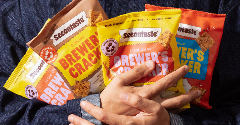
How Secon Taste is putting upcycled snacks on shelves
4 Aug 2026
Hungarian zero-waste startup Secon Taste is turning surplus food into upcycled snacks such as fibre-packed granola, instant porridge, and a circular coffee-tasting box.
Read more
Codex sets global thresholds for ‘may contain’ labels
3 Aug 2026
Codex Alimentarius has adopted its first global guidance on when to use “may contain” allergen warnings, setting thresholds intended to stop the label being used as blanket legal cover.
Read more