
Ingredients Categories
Finished Products
Finished Food Categories
- Bakery
- Beverages / Juices
- Cereal and grain products
- Confectionery
- Cooking Fats & Oils
- Dairy
- Egg products
- Fruits & Vegetables
- Infant & Baby food
- Meat, Poultry & Fish
- Nuts & Seeds products
- Other Finished Food Categories
- Pet Food
- Plant-based foods
- Prepared foods
- Sauces & Seasonings
- Sweet & Savoury Spreads
Specialised Finished Products
- Bee products
- Biotic products
- Dietary supplements
- Energy drinks
- Functional beverages
- Functional confectionery
- Functional food
- Functional powders
- Meal replacement products
- Nutricosmetics
- Other Specialised Finished Products
- Pet Dietary Supplements
- Pharma and OTC products
- Protein products
- Sugar replacers / Sweeteners
Health & Wellness Areas
Delivery Formats
Operations & Services
- 3D printing
- Analysis/ Testing
- Auditing & certifications
- Blending & mixing
- Bottling
- Certification
- Clinical trials
- Co-packing
- Coating
- Consulting
- Contract manufacturing
- Drying
- Electrospinning
- Encapsulating
- Enzymatic processing
- Extracting
- Extrusion
- Fat structuring
- Fermentation
- Filling
- Flavour development
- Freeze drying
- Granulating/ grinding/ milling / mixing
- High-pressure processing
- Labelling
- Other Operations & Services
- Packaging
- Packet filling
- Pasturising
- Quality assurance
- Saccharification
- Shear cell processing
- Spray drying
- Sterilisation
- Storage & Logistics
- Tabletting
- Toasting / roasting
- Ultra-high temperature processing
News
Additives in US food products up 10% since 2001
Beth Newhart, Freelance Journalist 18 Jul 2023
New research revealed that 60% of foods purchased by Americans contained technical food additives as of 2019, which was a 10% increase since 2001.
Despite strong trends in health and wellness and a renewed focus on fresh and sustainable food, American food and beverage products are more processed than ever before and laden with additives like colouring or flavouring agents, preservatives, and sweeteners.
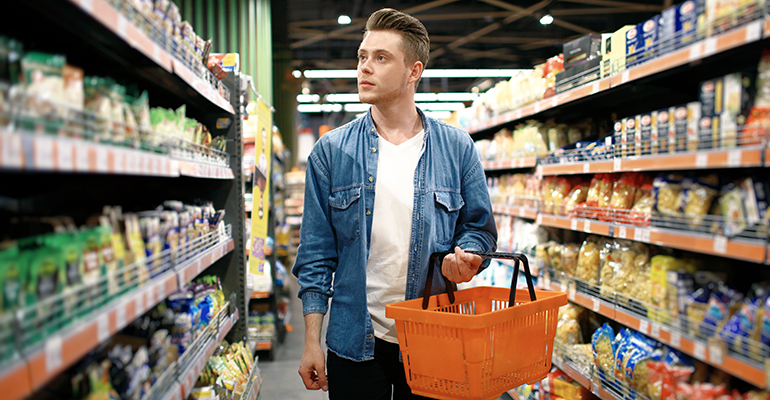
In a recent article published in the Journal of the Academy of Nutrition and Dietetics, researchers found that the mean number of additives in purchased foods and beverages increased from 3.7 in 2001 to 4.5 in 2019.
“These findings give us reason for concern, given the growing evidence linking high consumption of processed foods with adverse health outcomes,” said Elizabeth K. Dunford, lead investigator of the study.
A concerning increase in baby products
According to the report, US consumers purchase more than 400,000 different packaged food and beverage products every year at grocery stores. And by 2019, more than half of those products contained three or more additives.
Some additives are harmless and used to prolong shelf life and food safety, but others are added simply for colouring, flavouring, thickening, and emulsifying a product.
“Assessing food-additive exposure over time is a vital step in understanding its role in increased body weight, negative changes to the gut microbiome, and other adverse health outcomes associated with ultra-processed foods,” read a statement accompanying the study.
In addition to the increase in additives for all food and drink categories, the study found that baby foods showed a 20% increase in additives and a more than 15% increase in products containing three or more additives.
The authors said this finding is “crucial in informing future research in this area and warrants further investigation.”
“US consumers are demanding a much higher level of transparency from brands and retailers than in previous years. We hope the findings from this study will be used to inform policymakers on where Americans – especially babies – are being exposed to additives, and how the packaged food supply is changing,” said Barry Popkin, senior investigator of the study.
 © AdobeStock/beats_
Sweets, snacks and soft drinks are major culprits
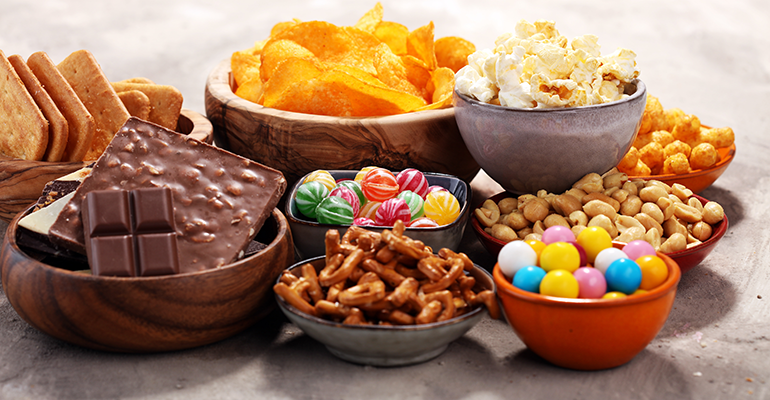
The subcategory with the highest mean number of additives in both 2001 and 2019 was frozen entrées, appetisers, and pizza, followed by carbonated soft drinks. Almost every subcategory under sweets and snacks and beverages also saw an increase in the mean number of additives.
One positive trend observed in the data was that the use of added flavours in carbonated soft drinks decreased from 40% to 36%.
For their research, investigators used Nielsen Homescan Consumer Panel data from 2001 and 2019, which they note only tracks additives in food products purchased from supermarkets and does not include food purchased from restaurants or fast food chains.
“Given the importance of understanding what components make up [ultra processed foods] in the US diet, this study found convincing evidence that US household purchases of packaged foods containing food additives is increasing,” the authors said.
They recommended that the findings could be used to inform policymakers on American consumers’ diets and how the packaged food supply is changing. It can potentially supplement future work in this area and lead to further investigation into the ingredients being used in the manufacturing of food and beverages, particularly baby food products.

Get more of our news on Google
Set Ingredients Network as a 'Preferred Source' to get quicker access to the news you value.
Related news

Do the US dietary guidelines put UPFs under pressure?
10 Sep 2026
Will the US dietary guidelines change the way Americans eat, swapping ultra-processed foods for whole foods? We asked Dr Barry Popkin, renowned nutrition and obesity researcher.
Read more
Food fraud costs UK economy £2bn each year
9 Sep 2026
Food fraud is costing the UK economy up to £2 billion (€2.3 billion) every year although the food sector is more “resilient” than others, according to a recent study.
Read more
Skimpflation: An ‘unfair’ and risky approach to keeping prices low
2 Sep 2026
Consumers see skimpflation – reducing the quality of ingredients due to rising costs – as more unfair than shrinkflation, making it a risky strategy according to recent research.
Read more
NielsenIQ’s EU barometer shows Britain leading in grocery inflation
31 Aug 2026
Britain was the only country to record grocery inflation above 2%, according to NielsenIQ data that compared Europe’s five biggest grocery markets from February to May 2026.
Read more
‘Urgent gaps’ in achieving 2030 food system goals
27 Aug 2026
Global food systems are failing to meet 2030 targets across indicators including health, environment, and resilience, according to a report co-authored by the Food and Agriculture Organisation (FAO).
Read more
China beverages: Is herbal innovation the future?
20 Aug 2026
Herbal and botanical innovation in China's drinks market continues to grow, with ingredients like astragalus root, ginger, and ginseng in the spotlight – and focus shifting far beyond refreshment.
Read more
Popular barbecue staples experience sharp price increases
19 Aug 2026
The typical cost of US shoppers’ barbecue baskets has risen by 12% over the past year – the fastest annual rise in a decade, figures from The Economist show.
Read more
Beyond 'nice to have': A spotlight on US functional beverages
12 Aug 2026
Functional beverage interest in the US is gaining important ground as consumers now expect function rather than see it as "nice to have", and there are clear market gaps for growth, according to Spate.
Read more
Manam Chocolate aims to bring premium Indian cacao to 'the world stage'
11 Aug 2026
Craft chocolate brand Manam Chocolate is investing in local expansion and supply chain innovation throughout India as it works to build out the premium reputation of its locally produced cacao products.
Read more
Digital twin technology gains ground in food manufacturing
6 Aug 2026
Food and beverage companies are increasingly turning to digital twins to optimise and automate manufacturing processes, but opportunities stretch far beyond this, say experts.
Read more