
Ingredients Categories
Finished Products
Finished Food Categories
- Bakery
- Beverages / Juices
- Cereal and grain products
- Confectionery
- Cooking Fats & Oils
- Dairy
- Egg products
- Fruits & Vegetables
- Infant & Baby food
- Meat, Poultry & Fish
- Nuts & Seeds products
- Other Finished Food Categories
- Pet Food
- Plant-based foods
- Prepared foods
- Sauces & Seasonings
- Sweet & Savoury Spreads
Specialised Finished Products
- Bee products
- Biotic products
- Dietary supplements
- Energy drinks
- Functional beverages
- Functional confectionery
- Functional food
- Functional powders
- Meal replacement products
- Nutricosmetics
- Other Specialised Finished Products
- Pet Dietary Supplements
- Pharma and OTC products
- Protein products
- Sugar replacers / Sweeteners
Health & Wellness Areas
Delivery Formats
Operations & Services
- 3D printing
- Analysis/ Testing
- Auditing & certifications
- Blending & mixing
- Bottling
- Certification
- Clinical trials
- Co-packing
- Coating
- Consulting
- Contract manufacturing
- Drying
- Electrospinning
- Encapsulating
- Enzymatic processing
- Extracting
- Extrusion
- Fat structuring
- Fermentation
- Filling
- Flavour development
- Freeze drying
- Granulating/ grinding/ milling / mixing
- High-pressure processing
- Labelling
- Other Operations & Services
- Packaging
- Packet filling
- Pasturising
- Quality assurance
- Saccharification
- Shear cell processing
- Spray drying
- Sterilisation
- Storage & Logistics
- Tabletting
- Toasting / roasting
- Ultra-high temperature processing
News
Brand licensing deals rise post-pandemic as consumers seek familiar and healthier products
8 Apr 2022
Longer-term brand licensing deals between food companies have become more popular in recent times – a trend set to continue and flourish, partly thanks to the pandemic, licensing experts told Ingredients Network.
Despite playing a major role in the activities of other sectors – including pharmaceuticals and media – brand licensing deals were once largely limited to short-term buzz-creating arrangements in food. For instance, co-marketing deals for the launch of a new film would often see characters brandished on the packaging of consumer packaged goods (CPG).

Yet, in the last few years, experts have marked an uptick in the number of more involved, longer-term agreements between food companies, including deals for access to "iconic flavour profiles that will communicate the trusted flavour of the product," Jeff Lotman, CEO of worldwide brands licensing agency Global Icons told Ingredients Network.
He gave the example of his own company's client, Hostess Brands which has signed a succession of such deals, including; a January 2022 licensing agreement with Danone for Twinkies flavoured International Delight Coffee Creamers; a 2020 deal with Trilliant Food & Nutrition for Hostess product-inspired ready-to-drink iced lattes; a 2018 agreement with Post Consumer Brands for cereals based on Hostess' Donettes, HoneyBuns and Twinkies brands; and a deal with Jel Sert in for Twinkies and Ding Dong dessert kits.
For Hostess, "many more deals have been executed that will be in the market late 2022 and early 2023," Lotman revealed.
Other big name companies striking licensing deals include Mondelez and Oreo, Cinnabon with a host of flavour-profile mash-ups – including with Pillsbury and Keurig K-Cups coffee – and cereal brands including General Mills with Betty Crocker.
Pandemic-driven leap
The rise of food brand licensing has taken a significant leap since the start of the pandemic, Steven Ekstract, managing director at New York-headquartered licensing consultancy, Global Licensing Advisors, told Ingredients Network.
"During difficult times, consumers gravitate towards known, trusted, and loved brands," he said.
"As a result of two years of sheltering in place and working from home, food consumption in the home has increased exponentially and brands are selling more food and beverages through creating new products utilizing licensing."
Ekstract said that many fast-food restaurant chains have expanded into licensing in the grocery aisle, including Taco Bell, which licensed an entire product range from seasonings, to taco shells and snacks.
"The visibility it provides for the Taco Bell brand to be in the grocery aisle is like free advertising that Taco bell is getting royalties for, and it provides delight to the consumer who may have avoided going out to eat during the pandemic," he added.
Even pre-pandemic, restaurant brands were taking on more brand licensing deals, jumping from less than 10 in the space 15 years ago to more than 50 today, said Lotman, "and it continues to grow".
"Many restaurant brands are eager to meet consumers for their eating occasions," he said. "Consumers are not making a choice at the grocery store on whether they are going to eat at a restaurant or buy a frozen appetizer, pizza or entrée. They are filling their freezers.
"Eating out at a restaurant is a different eating occasion. Also, restaurants can use their licensing program as a marketing tool to drive traffic to their stores which more than likely are franchised."

Get more of our news on Google
Set Ingredients Network as a 'Preferred Source' to get quicker access to the news you value.
Related news

Skimpflation: An ‘unfair’ and risky approach to keeping prices low
2 Sep 2026
Consumers see skimpflation – reducing the quality of ingredients due to rising costs – as more unfair than shrinkflation, making it a risky strategy according to recent research.
Read more
NielsenIQ’s EU barometer shows Britain leading in grocery inflation
31 Aug 2026
Britain was the only country to record grocery inflation above 2%, according to NielsenIQ data that compared Europe’s five biggest grocery markets from February to May 2026.
Read more
‘Urgent gaps’ in achieving 2030 food system goals
27 Aug 2026
Global food systems are failing to meet 2030 targets across indicators including health, environment, and resilience, according to a report co-authored by the Food and Agriculture Organisation (FAO).
Read more
China beverages: Is herbal innovation the future?
20 Aug 2026
Herbal and botanical innovation in China's drinks market continues to grow, with ingredients like astragalus root, ginger, and ginseng in the spotlight – and focus shifting far beyond refreshment.
Read more
Popular barbecue staples experience sharp price increases
19 Aug 2026
The typical cost of US shoppers’ barbecue baskets has risen by 12% over the past year – the fastest annual rise in a decade, figures from The Economist show.
Read more
Beyond 'nice to have': A spotlight on US functional beverages
12 Aug 2026
Functional beverage interest in the US is gaining important ground as consumers now expect function rather than see it as "nice to have", and there are clear market gaps for growth, according to Spate.
Read more
Manam Chocolate aims to bring premium Indian cacao to 'the world stage'
11 Aug 2026
Craft chocolate brand Manam Chocolate is investing in local expansion and supply chain innovation throughout India as it works to build out the premium reputation of its locally produced cacao products.
Read more
Digital twin technology gains ground in food manufacturing
6 Aug 2026
Food and beverage companies are increasingly turning to digital twins to optimise and automate manufacturing processes, but opportunities stretch far beyond this, say experts.
Read more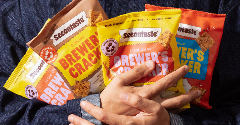
How Secon Taste is putting upcycled snacks on shelves
4 Aug 2026
Hungarian zero-waste startup Secon Taste is turning surplus food into upcycled snacks such as fibre-packed granola, instant porridge, and a circular coffee-tasting box.
Read more
Codex sets global thresholds for ‘may contain’ labels
3 Aug 2026
Codex Alimentarius has adopted its first global guidance on when to use “may contain” allergen warnings, setting thresholds intended to stop the label being used as blanket legal cover.
Read more