
Ingredients Categories
Finished Products
Finished Food Categories
- Bakery
- Beverages / Juices
- Cereal and grain products
- Confectionery
- Cooking Fats & Oils
- Dairy
- Egg products
- Fruits & Vegetables
- Infant & Baby food
- Meat, Poultry & Fish
- Nuts & Seeds products
- Other Finished Food Categories
- Pet Food
- Plant-based foods
- Prepared foods
- Sauces & Seasonings
- Sweet & Savoury Spreads
Specialised Finished Products
- Bee products
- Biotic products
- Dietary supplements
- Energy drinks
- Functional beverages
- Functional confectionery
- Functional food
- Functional powders
- Meal replacement products
- Nutricosmetics
- Other Specialised Finished Products
- Pet Dietary Supplements
- Pharma and OTC products
- Protein products
- Sugar replacers / Sweeteners
Health & Wellness Areas
Delivery Formats
Operations & Services
- 3D printing
- Analysis/ Testing
- Auditing & certifications
- Blending & mixing
- Bottling
- Certification
- Clinical trials
- Co-packing
- Coating
- Consulting
- Contract manufacturing
- Drying
- Electrospinning
- Encapsulating
- Enzymatic processing
- Extracting
- Extrusion
- Fat structuring
- Fermentation
- Filling
- Flavour development
- Freeze drying
- Granulating/ grinding/ milling / mixing
- High-pressure processing
- Labelling
- Other Operations & Services
- Packaging
- Packet filling
- Pasturising
- Quality assurance
- Saccharification
- Shear cell processing
- Spray drying
- Sterilisation
- Storage & Logistics
- Tabletting
- Toasting / roasting
- Ultra-high temperature processing
News
Can sugar-reducing tech revive falling fruit juice sales?
12 Feb 2022Better Juice’s naturally sugar-reduced fruit juice will hit US supermarket shelves in spring 2022 thanks to a partnership with GEA. Could this turn around the long-term decline in fruit juice sales?
Israeli company Better Juice has teamed up with GEA Group, a Germany-headquartered company that supplies machinery and processing technology to the food, beverage and pharmaceutical sectors, to roll out its sugar-reducing bioconversion technology.
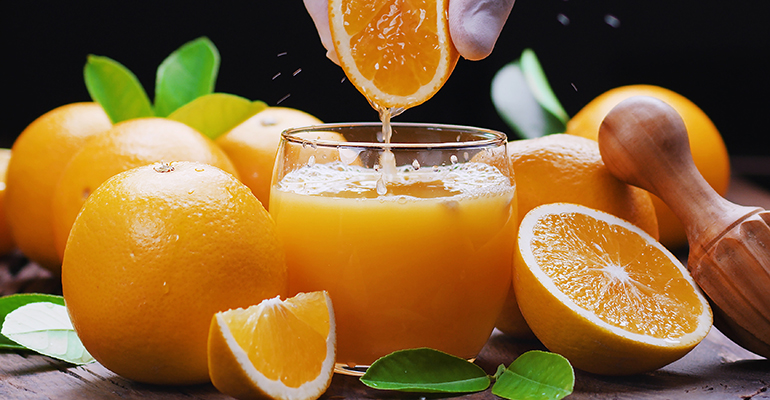
Bioconversion process to reduce sugar
The Israeli start-up’s process uses enzymes to convert fructose, glucose, and sucrose sugars into prebiotic and other non-digestible fibres. The juice passes through a continuous flow bio-reactor housing non-GMO microorganisms that transform the sugars into non-digestible molecules that are beneficial to health.
According to the company, it can reduce sugar loads by up to 80%, while preserving the vitamins and other nutrients in the fruit, moderating the sweetness of the juice while intensifying the fruit flavour.
Better Juice says the enzymatic activity that occurs during the bioconversion process is very specific, reducing the juice’s sweetness while leaving other sensory characteristics, such as taste, flavour and smell, unchanged.
Long-term decline in juice sales
Consumer concerns about sugar have been partly responsible for a steady decline in the fruit juice market. A 236 ml glass of fruit juice and cola both contain around 30 grams of sugar and although fruit juices have traditionally enjoyed a health halo thanks to vitamin content, commercial juices have often been stripped of satiating, healthy nutrients such as fibre.
The total US juice market fell by 3.6% between 2015 and 2019, according to Mintel, and half of US consumers who say they are drinking juice less often, are doing so in order to reduce their sugar intake.
Although the category experienced an upsurge in the past two years during the COVID-19 pandemic, when consumers sought out products with immune-boosting health properties, many stakeholders have doubts over the long-term prospects, including PepsiCo, the owner of the US’ biggest juice brand, Tropicana.
In August last year, PepsiCo inked a deal with private equity firm PAI Partners (PAI) to sell Tropicana, Naked and other juice brands across North America. The $3.3 billion deal, which included an irrevocable option to sell certain juice businesses in Europe, will free the company to concentrate on growing its portfolio of healthier snacks, zero-calorie beverages, and products like SodaStream, said PepsiCo chairman and CEO Ramon Laguarta.
Caleb Bryant, associate director for food and drink at Mintel, said: “PepsiCo’s decision to sell Tropicana and Naked reflects a belief that the juice market won’t stage a dramatic comeback and that consumers will continue to abandon the juice market in favour of lower-sugar beverages.”
Better Juice hopes its enzymatic technology will allow healthier, sugar-reduced fruit juice to become the norm.
“[…] in just a few months, affordable, reduced-sugar fruit juice will be a ready option for American consumers," said Gali Yarom, co-founder and co-CEO of Better Juice.
Spring 2022 launch
Under the terms of the venture, GEA will design, manufacture, and install the bioreactor for the sugar-reduction process and offer follow-up technical support for manufacturers. The equipment can be integrated into existing juice production lines and produce up to 200 litres per hour. The first commercial order is for natural fruit juice with 30% reduced sugar, which should reach supermarket shelves in the US by spring 2022.
"This new agreement marks an exciting milestone in our mission to get our sugar-reduction technology off the ground, to penetrate the US market, and to expand our global footprint," said Eran Blachinsky, PhD, co-founder and co-CEO of Better Juice.
Better Juice recently received a European patent for its sugar-reducing technology in Europe and completed a self-affirmed Generally Recognised as Safe (GRAS) process for the US market.
"Traditionally the challenges of sugar reduction in synthetic beverages were finding the best sugar replacers: the sweetener with the least aftertaste. In the synthetic beverage industry, it is easy to reduce sugar as you can reduce it from the recipe and replace it with a sweetener. This can’t be done with juices where sugar cannot be replaced in the recipe,” Blachinsky told Fi Global Insights after winning the Start-up Innovation Challenge in 2018 in the category Most Innovative Technology.
“As a natural produce juice contains sugar. There is no traditional sugar reduction from juice beside maybe wine and cider production."

Get more of our news on Google
Set Ingredients Network as a 'Preferred Source' to get quicker access to the news you value.
Related news

Skimpflation: An ‘unfair’ and risky approach to keeping prices low
2 Sep 2026
Consumers see skimpflation – reducing the quality of ingredients due to rising costs – as more unfair than shrinkflation, making it a risky strategy according to recent research.
Read more
NielsenIQ’s EU barometer shows Britain leading in grocery inflation
31 Aug 2026
Britain was the only country to record grocery inflation above 2%, according to NielsenIQ data that compared Europe’s five biggest grocery markets from February to May 2026.
Read more
‘Urgent gaps’ in achieving 2030 food system goals
27 Aug 2026
Global food systems are failing to meet 2030 targets across indicators including health, environment, and resilience, according to a report co-authored by the Food and Agriculture Organisation (FAO).
Read more
China beverages: Is herbal innovation the future?
20 Aug 2026
Herbal and botanical innovation in China's drinks market continues to grow, with ingredients like astragalus root, ginger, and ginseng in the spotlight – and focus shifting far beyond refreshment.
Read more
Popular barbecue staples experience sharp price increases
19 Aug 2026
The typical cost of US shoppers’ barbecue baskets has risen by 12% over the past year – the fastest annual rise in a decade, figures from The Economist show.
Read more
Beyond 'nice to have': A spotlight on US functional beverages
12 Aug 2026
Functional beverage interest in the US is gaining important ground as consumers now expect function rather than see it as "nice to have", and there are clear market gaps for growth, according to Spate.
Read more
Manam Chocolate aims to bring premium Indian cacao to 'the world stage'
11 Aug 2026
Craft chocolate brand Manam Chocolate is investing in local expansion and supply chain innovation throughout India as it works to build out the premium reputation of its locally produced cacao products.
Read more
Digital twin technology gains ground in food manufacturing
6 Aug 2026
Food and beverage companies are increasingly turning to digital twins to optimise and automate manufacturing processes, but opportunities stretch far beyond this, say experts.
Read more
How Secon Taste is putting upcycled snacks on shelves
4 Aug 2026
Hungarian zero-waste startup Secon Taste is turning surplus food into upcycled snacks such as fibre-packed granola, instant porridge, and a circular coffee-tasting box.
Read more
Codex sets global thresholds for ‘may contain’ labels
3 Aug 2026
Codex Alimentarius has adopted its first global guidance on when to use “may contain” allergen warnings, setting thresholds intended to stop the label being used as blanket legal cover.
Read more