
Ingredients Categories
Finished Products
Finished Food Categories
- Bakery
- Beverages / Juices
- Cereal and grain products
- Confectionery
- Cooking Fats & Oils
- Dairy
- Egg products
- Fruits & Vegetables
- Infant & Baby food
- Meat, Poultry & Fish
- Nuts & Seeds products
- Other Finished Food Categories
- Pet Food
- Plant-based foods
- Prepared foods
- Sauces & Seasonings
- Sweet & Savoury Spreads
Specialised Finished Products
- Bee products
- Biotic products
- Dietary supplements
- Energy drinks
- Functional beverages
- Functional confectionery
- Functional food
- Functional powders
- Meal replacement products
- Nutricosmetics
- Other Specialised Finished Products
- Pet Dietary Supplements
- Pharma and OTC products
- Protein products
- Sugar replacers / Sweeteners
Health & Wellness Areas
Delivery Formats
Operations & Services
- 3D printing
- Analysis/ Testing
- Auditing & certifications
- Blending & mixing
- Bottling
- Certification
- Clinical trials
- Co-packing
- Coating
- Consulting
- Contract manufacturing
- Drying
- Electrospinning
- Encapsulating
- Enzymatic processing
- Extracting
- Extrusion
- Fat structuring
- Fermentation
- Filling
- Flavour development
- Freeze drying
- Granulating/ grinding/ milling / mixing
- High-pressure processing
- Labelling
- Other Operations & Services
- Packaging
- Packet filling
- Pasturising
- Quality assurance
- Saccharification
- Shear cell processing
- Spray drying
- Sterilisation
- Storage & Logistics
- Tabletting
- Toasting / roasting
- Ultra-high temperature processing
News
Consumers seek ashwagandha-fueled relaxation in beverages
Katja Knox, Editorial Account Manager 28 Mar 2022
Ashwagandha has been used in India for centuries, and it is only in recent years that consumers in the US and now Europe are realising its health benefits, with manufacturers starting to add this adaptogen to beverage formulations.
As concerns surrounding the pandemic linger, shoppers are turning toward functional beverages as a source to support relaxation and sleep. Through the use of medicinal herbs and adaptogen formulations, these beverages promote a state of calm with ashwagandha one example.
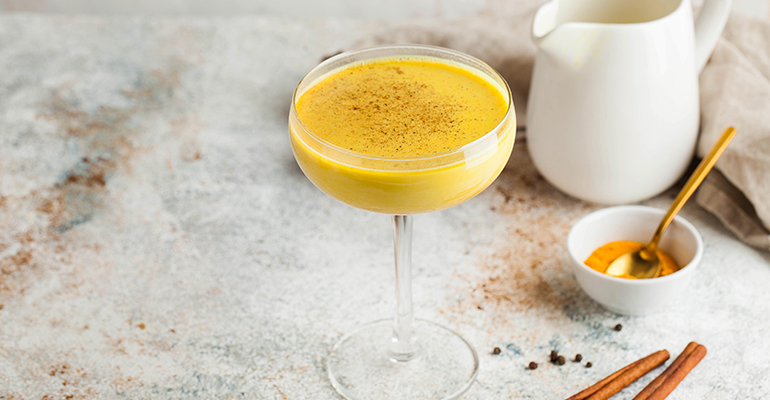
Stress is a recurring fixture in the modern world. However, persistent stress has been demonstrated to lead to health issues such as cardiovascular disorders, hypertension, depression, panic attacks, impaired memory and cognition, digestive problems, fatigue syndrome and autoimmune disorders. As people continue to combat ongoing stress, many have begun to turn to ashwagandha, which is an adaptogenic Ayurvedic herb that has been shown to alleviate stress and enhance overall well-being.
Functional beverages are a growing trend
Consumers are increasingly seeking functional health solutions from their food and beverages, and this trend is particularly apparent within the beverages category. In 2019, US consumers spent an estimated $9.6 billion (€8.7 billion) on herbal dietary supplements, an 8.6% increase from the previous year, according to the American Botanical Council’s 2019 Herb Market Report. The growth of ashwagandha is high on that list.
Already in 2017, Mintel data found there was a measurable increase in the number of new products containing ashwagandha, and that hot beverages were one of the major categories in which ashwagandha-filled product launches were taking place. Now, five years later, this trend has only picked up the pace.
Coca-Cola’s smartwater+ brand launched a new series of wellness-focus waters, including one with this adaptogenic extract aimed at shoppers looking for emotional calm. No.1 Botanicals, a British company that creates botanical water extracts in partnership with England’s Royal Botanic Gardens, created ashwagandha water and pure ashwagandha shots. Immune-boosting probiotic juice shots company So Good So You launched a new shot “powered by ashwagandha” and intended to improve mood and increase mental clarity.
The Swiss flavour and fragrance giant Givaudan launched an ashwagandha infusion at the end of last year in an effort to capitalize on the burgeoning popularity of this functional additive that is making headway into the mainstream market.
According to analysis by Data Bridge Market Research, the market for this ayurvedic ingredient is expected to grow at a compound annual growth rate of 11.4% from 2022 to 2029 to reach $102.72 million (€93.32 million). Already, ashwagandha was on the list of top 40 mainstream ingredients in the natural channel in 2015. By 2019 the medicinal ingredient experienced a staggering 166% increase from the previous year, according to the American Botanical Council.
As stress remains a companion for many — the American Psychological Association found nearly one-third of adults (32%) are so stressed from the pandemic that they struggle to make basic decisions — the demand for functional beverages that are able to instill a sense of calm is likely to continue.

Get more of our news on Google
Set Ingredients Network as a 'Preferred Source' to get quicker access to the news you value.
Related news

Do the US dietary guidelines put UPFs under pressure?
10 Sep 2026
Will the US dietary guidelines change the way Americans eat, swapping ultra-processed foods for whole foods? We asked Dr Barry Popkin, renowned nutrition and obesity researcher.
Read more
Food fraud costs UK economy £2bn each year
9 Sep 2026
Food fraud is costing the UK economy up to £2 billion (€2.3 billion) every year although the food sector is more “resilient” than others, according to a recent study.
Read more
Skimpflation: An ‘unfair’ and risky approach to keeping prices low
2 Sep 2026
Consumers see skimpflation – reducing the quality of ingredients due to rising costs – as more unfair than shrinkflation, making it a risky strategy according to recent research.
Read more
NielsenIQ’s EU barometer shows Britain leading in grocery inflation
31 Aug 2026
Britain was the only country to record grocery inflation above 2%, according to NielsenIQ data that compared Europe’s five biggest grocery markets from February to May 2026.
Read more
‘Urgent gaps’ in achieving 2030 food system goals
27 Aug 2026
Global food systems are failing to meet 2030 targets across indicators including health, environment, and resilience, according to a report co-authored by the Food and Agriculture Organisation (FAO).
Read more
China beverages: Is herbal innovation the future?
20 Aug 2026
Herbal and botanical innovation in China's drinks market continues to grow, with ingredients like astragalus root, ginger, and ginseng in the spotlight – and focus shifting far beyond refreshment.
Read more
Popular barbecue staples experience sharp price increases
19 Aug 2026
The typical cost of US shoppers’ barbecue baskets has risen by 12% over the past year – the fastest annual rise in a decade, figures from The Economist show.
Read more
Beyond 'nice to have': A spotlight on US functional beverages
12 Aug 2026
Functional beverage interest in the US is gaining important ground as consumers now expect function rather than see it as "nice to have", and there are clear market gaps for growth, according to Spate.
Read more
Manam Chocolate aims to bring premium Indian cacao to 'the world stage'
11 Aug 2026
Craft chocolate brand Manam Chocolate is investing in local expansion and supply chain innovation throughout India as it works to build out the premium reputation of its locally produced cacao products.
Read more
Digital twin technology gains ground in food manufacturing
6 Aug 2026
Food and beverage companies are increasingly turning to digital twins to optimise and automate manufacturing processes, but opportunities stretch far beyond this, say experts.
Read more