
Ingredients Categories
Finished Products
Finished Food Categories
- Bakery
- Beverages / Juices
- Cereal and grain products
- Confectionery
- Cooking Fats & Oils
- Dairy
- Egg products
- Fruits & Vegetables
- Infant & Baby food
- Meat, Poultry & Fish
- Nuts & Seeds products
- Other Finished Food Categories
- Pet Food
- Plant-based foods
- Prepared foods
- Sauces & Seasonings
- Sweet & Savoury Spreads
Specialised Finished Products
- Bee products
- Biotic products
- Dietary supplements
- Energy drinks
- Functional beverages
- Functional confectionery
- Functional food
- Functional powders
- Meal replacement products
- Nutricosmetics
- Other Specialised Finished Products
- Pet Dietary Supplements
- Pharma and OTC products
- Protein products
- Sugar replacers / Sweeteners
Health & Wellness Areas
Delivery Formats
Operations & Services
- 3D printing
- Analysis/ Testing
- Auditing & certifications
- Blending & mixing
- Bottling
- Certification
- Clinical trials
- Co-packing
- Coating
- Consulting
- Contract manufacturing
- Drying
- Electrospinning
- Encapsulating
- Enzymatic processing
- Extracting
- Extrusion
- Fat structuring
- Fermentation
- Filling
- Flavour development
- Freeze drying
- Granulating/ grinding/ milling / mixing
- High-pressure processing
- Labelling
- Other Operations & Services
- Packaging
- Packet filling
- Pasturising
- Quality assurance
- Saccharification
- Shear cell processing
- Spray drying
- Sterilisation
- Storage & Logistics
- Tabletting
- Toasting / roasting
- Ultra-high temperature processing
News
Digital platform can help optimise the protein quality of plant-based meals
Tessa Wiles, Content Editor - Food 29 Dec 2025Researchers at Wageningen University have developed a metric to assess – and optimise – the protein quality of plant-based meals.
The global shift toward more plant-based foods and diets, while important for sustainability, presents nutritional challenges, particularly meeting the high-quality protein needs of vulnerable populations, like older adults.
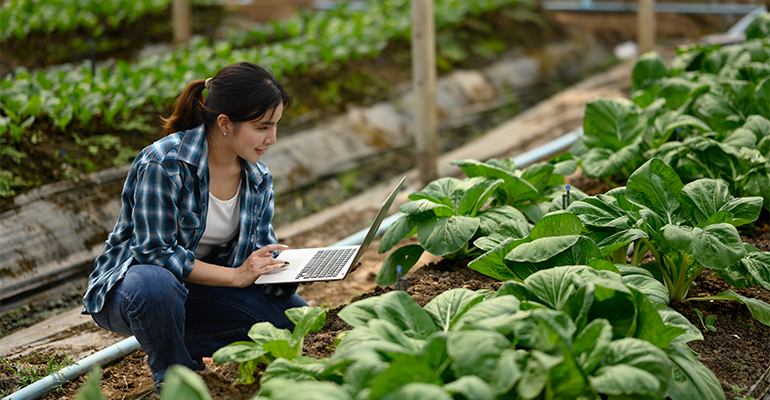
Plant proteins often lack all essential amino acids and are less digestible than their animal-based counterparts, meaning that both knowledge on which plant proteins to combine to achieve a complete amino acid profile and sophisticated planning are needed to create a high-quality protein blend.
The Alpha Tool, developed by researchers at Wageningen University and led by Dr Pol Grootswagers, assistant professor of nutrition and ageing at Wageningen University, is a web-based platform that uses algorithms and datasets to provide direct feedback on meal-specific protein quality and sustainability.
Its core capability is powered by the Meal Protein Quality Score, a metric developed by Grootswagers and his team in 2024 that assesses the nutritional quality of mixed meals, allowing product developers, dieticians, and chefs to optimise plant-based ingredient ratios to ensure amino acid adequacy.
Sustainable protein sources and nutrition
Historically, methods like the Protein Digestibility-Corrected Amino Acid Score (PDCAAS) and Digestible Indispensable Amino Acid Score (DIAAS) were primarily applied only to individual food ingredients, making them less practical for assessing full meals.
Grootswagersand his team developed the Meal Protein Quality Score to fill this critical gap.
The metric improves nutritional assessment by evaluating meals against personalised amino acid requirements, incorporating protein digestibility, and summarising the most limiting amino acid into a single, actionable score.
This allows users, whether they are dietitians, chefs, or researchers, to judge whether a meal supports crucial functions like muscle maintenance and metabolic health, especially for populations with higher needs.
In July, Grootswagers and colleagues conducted research that concluded that many plant-based meat and dairy analogues “exhibit incomplete EAA profiles, which may compromise adequate protein nutrition in plant-centred diets”.
Developing nutritionally robust plant-based products
Grootswagers told Ingredients Network that the Alpha Tool offers advantages for product developers too, by ensuring that new sustainable products are nutritionally robust from the outset.
It provides direct insights into the digestibility and amino acid composition of ingredients, allowing developers to experiment until they can confirm all essential amino acids are present in their product or dish.
In 2024, Grootswagers and his team applied the Meal Protein Quality Score to over 5,000 meals from Dutch food consumption data and found that meals with a higher proportion of plant protein often had significantly lower values, indicating substantial potential for improvement through smart formulation.
This process could help to bridge the gap where the nutritional aspect is often overlooked during product development. Grootswagers explained that the practical value of the platform for manufacturers dealing with complex plant ingredient combinations.
“If you have more sustainable foods with more plant ingredients, it makes a lot of difference how well you combine the ingredients, in which specific ratios, and to guide those decisions, this is a very easy tool to find out how to best balance your food,” he said.
Animal-based vs plant-based: Shifting perceptions of protein quality
Grootswagers explained that the initial goal of the Alpha Tool is to address the sustainable protein transition in challenging settings, such as hospitals, where dietitians often resist new plant-based meals due to the misconception that only animal-based protein provides sufficient quality.
The Alpha Tool helps break down this barrier, proving that, with the right ingredients and ratios, plant-based meals can supply all essential amino acids needed by patients.
Grootswagers said it is rapidly gaining international traction, with collaborations involving partners in Denmark, Australia, and Italy, demonstrating its applicability far beyond its origins at Wageningen.
His team is now working toward transitioning the Alpha Tool into a spin-off, applying for grants to enable a wider range of experts to join and support the project and ensure its continuous development for even wider use.

Get more of our news on Google
Set Ingredients Network as a 'Preferred Source' to get quicker access to the news you value.
Related news

Do the US dietary guidelines put UPFs under pressure?
10 Sep 2026
Will the US dietary guidelines change the way Americans eat, swapping ultra-processed foods for whole foods? We asked Dr Barry Popkin, renowned nutrition and obesity researcher.
Read more
Food fraud costs UK economy £2bn each year
9 Sep 2026
Food fraud is costing the UK economy up to £2 billion (€2.3 billion) every year although the food sector is more “resilient” than others, according to a recent study.
Read more
Pump-based liquid pet supplement focuses on health and convenience
8 Sep 2026
Prefera Pet Food uses a plastic pump-based packaging to make administering its liquid supplements for cats and dogs easier, healthier, and more accurate.
Read more
Health and wellness engagement matures across Middle East and Africa
4 Sep 2026
Many consumers in the Middle East and Africa are now proactively engaged in health and wellness, looking to integrate better habits and products into their daily lives, say experts.
Read more
Kellogg accelerates work to remove artificial colours from all US cereals
3 Sep 2026
WK Kellogg has announced an accelerated timeline to eliminate all artificial colours and the chemical preservative, BHT, across its full US portfolio of cereals and cereal packaging.
Read more
Royal Canin launches ‘freshly-cooked’ therapeutic dog food
1 Sep 2026
Mars-owned Royal Canin has moved into the therapeutic diet sector with the launch of its Fresh Veterinary Diets range for dogs with health conditions. We asked a veterinary nutritionist for her opinion.
Read more
‘Urgent gaps’ in achieving 2030 food system goals
27 Aug 2026
Global food systems are failing to meet 2030 targets across indicators including health, environment, and resilience, according to a report co-authored by the Food and Agriculture Organisation (FAO).
Read more
Seven-Eleven uses microbial testing tech to extend katsudon shelf life
26 Aug 2026
Japanese retail company Seven-Eleven has improved its factory’s microbial environment to keep comfort-food staple, katsudon, fresher for longer.
Read more
Chimac’s fusion sauces bring Korean flavours to Europe
25 Aug 2026
Irish sauce brand Chimac is tapping into Korea’s culinary traditions, bringing its flavours and products to European consumers who want a taste of K-food.
Read more
China beverages: Is herbal innovation the future?
20 Aug 2026
Herbal and botanical innovation in China's drinks market continues to grow, with ingredients like astragalus root, ginger, and ginseng in the spotlight – and focus shifting far beyond refreshment.
Read more