
Ingredients Categories
Finished Products
Finished Food Categories
- Bakery
- Beverages / Juices
- Cereal and grain products
- Confectionery
- Cooking Fats & Oils
- Dairy
- Egg products
- Fruits & Vegetables
- Infant & Baby food
- Meat, Poultry & Fish
- Nuts & Seeds products
- Other Finished Food Categories
- Pet Food
- Plant-based foods
- Prepared foods
- Sauces & Seasonings
- Sweet & Savoury Spreads
Specialised Finished Products
- Bee products
- Biotic products
- Dietary supplements
- Energy drinks
- Functional beverages
- Functional confectionery
- Functional food
- Functional powders
- Meal replacement products
- Nutricosmetics
- Other Specialised Finished Products
- Pet Dietary Supplements
- Pharma and OTC products
- Protein products
- Sugar replacers / Sweeteners
Health & Wellness Areas
Delivery Formats
Operations & Services
- 3D printing
- Analysis/ Testing
- Auditing & certifications
- Blending & mixing
- Bottling
- Certification
- Clinical trials
- Co-packing
- Coating
- Consulting
- Contract manufacturing
- Drying
- Electrospinning
- Encapsulating
- Enzymatic processing
- Extracting
- Extrusion
- Fat structuring
- Fermentation
- Filling
- Flavour development
- Freeze drying
- Granulating/ grinding/ milling / mixing
- High-pressure processing
- Labelling
- Other Operations & Services
- Packaging
- Packet filling
- Pasturising
- Quality assurance
- Saccharification
- Shear cell processing
- Spray drying
- Sterilisation
- Storage & Logistics
- Tabletting
- Toasting / roasting
- Ultra-high temperature processing
News
Europe is hungry for Japanese flavours, with katsu leading the way
13 Sep 2024As consumer interest in global flavours has intensified, product launches featuring Japanese-inspired tastes have multiplied across Europe – first in restaurant chains, followed by food and beverage products in mainstream supermarkets. In recent years, UK consumers have shown a particular interest in katsu curry flavoured menu items, snacks, soups, and ready meals.
Boomerang effect
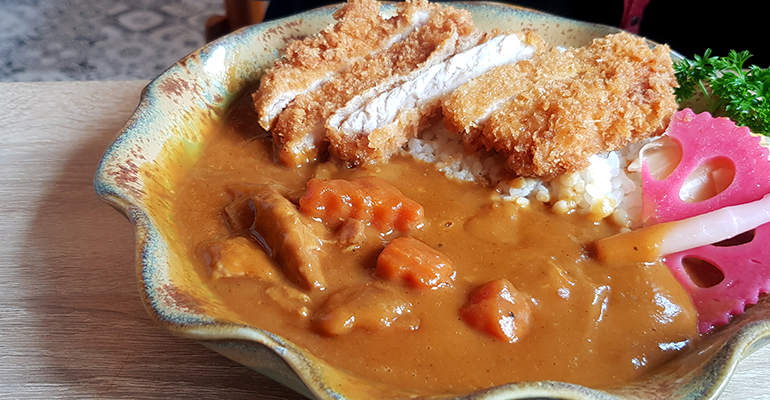
“Katsu (noun). In Japanese cookery: a piece of meat (usually chicken), seafood, or vegetable, coated with flour, egg, and panko breadcrumbs, deep-fried, and cut into strips. Also: a dish of this, typically served with shredded cabbage and tonkatsu or curry sauce.”
Along with other Japanese culinary terms like hibachi, donburi, okonomiyaki, karaage, and onigiri, this new entry for katsu in the 2024 update of the Oxford English Dictionary reflects the growing influence of Japanese culinary traditions in the global food lexicon.
It might have been long overdue, as the word katsu originated as a Japanese adaptation of the English word "cutlet," just as the dish itself began as a Western-influenced style of Japanese cooking. Both the term and the food itself have now been thoroughly reabsorbed into the English language and culinary culture. But as the term gets applied to an ever-growing range of flavoured products, the word might already need an update soon.
From katsu fast food and ready meals...
The rise of katsu has been particularly prominent in the UK. One of the most notable examples of the mainstream appeal of the Japanese trend is the introduction of the Katsu Chicken Bake, available in the UK bakery chain Greggs' 2,500 locations from July 2024 onward. This British-Japanese fusion product contains a tender chicken breast in a katsu-style curry sauce encased in puff pastry.
Greggs’ offering followed the introduction of Willy’s Pies’ Chicken Katsu Pie at the restaurant chain Wagamama during National Pie Week in March this year. Fast-food giant Burger King was ahead of the trend in 2022 when it introduced a limited-time katsu curry range, including the Katsu Royale and Katsu Chilli Whopper. And the trend is not limited to traditional meat-based dishes. Tesco, the UK’s largest supermarket chain, expanded its vegan Plant Chef range for Veganuary 2024 with products like the Sweet Potato Katsu Style Curry.
... to katsu mayo and baby food
New product launches of ready-meals and sauces – likely encouraged or inspired by the popularity of foodservice katsu offerings – have given rise to an ongoing expansion of katsu and other Japanese flavours into multiple product categories.
According to Mintel’s Global New Products Database (GNPD), in the entire decade leading up to 2015, just 21 product launches featured Japanese flavours in Europe. This changed in 2015, when 31 new products hit the market. This trend has continued, with more than 40 new Japanese flavour products hitting the shelves every year in the last five years. The rise of katsu in the UK is even more precipitous, growing from seven launches in 2020 to 18 in 2021, 22 in 2022, and 26 last year.
The data reveals that the most popular categories for Japanese flavours include snacks, sauces, and ready meals. However, there has also been a notable increase in other products such as seasonings, including Yawataya’s Japanese Allround Seasoning Shichimi Togarashi sold in Sweden as of 2024; and condiments like the Lidl private label Batts brand spicy plant-based Katsu mayonnaise, sold in the UK. Children and baby food brand Ella’s Kitchen even sells “organic nicely spiced chicken curry meal with veg + rice” baby food called ‘cracking katsu curry with chicken’ as part of its “explorer’s range” of easy-to-eat food pouches for seven months and up.
The appeal of world flavours
Innova Market Insights has noted that the rise in popularity of Japanese flavours is part of a broader trend towards diverse global flavours. This trend is driven by consumers’ increasing exposure to global cuisine through travel, social media, and the growing availability of international foods in local markets. Younger consumers, in particular, are eager to explore new tastes and are influencing the development of products that bring global flavours to the mainstream.
This trend is further supported by a desire for novelty and authenticity, as consumers seek out products that offer both a new experience and a connection to authentic culinary traditions. Manufacturers that can effectively tap into this demand by offering Japanese-flavoured products that balance innovation with cultural integrity are likely to find success in the European market.

Get more of our news on Google
Set Ingredients Network as a 'Preferred Source' to get quicker access to the news you value.
Related news

Health and wellness engagement matures across Middle East and Africa
4 Sep 2026
Many consumers in the Middle East and Africa are now proactively engaged in health and wellness, looking to integrate better habits and products into their daily lives, say experts.
Read more
Kellogg accelerates work to remove artificial colours from all US cereals
3 Sep 2026
WK Kellogg has announced an accelerated timeline to eliminate all artificial colours and the chemical preservative, BHT, across its full US portfolio of cereals and cereal packaging.
Read more
Skimpflation: An ‘unfair’ and risky approach to keeping prices low
2 Sep 2026
Consumers see skimpflation – reducing the quality of ingredients due to rising costs – as more unfair than shrinkflation, making it a risky strategy according to recent research.
Read more
Royal Canin launches ‘freshly-cooked’ therapeutic dog food
1 Sep 2026
Mars-owned Royal Canin has moved into the therapeutic diet sector with the launch of its Fresh Veterinary Diets range for dogs with health conditions. We asked a veterinary nutritionist for her opinion.
Read more
NielsenIQ’s EU barometer shows Britain leading in grocery inflation
31 Aug 2026
Britain was the only country to record grocery inflation above 2%, according to NielsenIQ data that compared Europe’s five biggest grocery markets from February to May 2026.
Read more
‘Urgent gaps’ in achieving 2030 food system goals
27 Aug 2026
Global food systems are failing to meet 2030 targets across indicators including health, environment, and resilience, according to a report co-authored by the Food and Agriculture Organisation (FAO).
Read more
Seven-Eleven uses microbial testing tech to extend katsudon shelf life
26 Aug 2026
Japanese retail company Seven-Eleven has improved its factory’s microbial environment to keep comfort-food staple, katsudon, fresher for longer.
Read more
Chimac’s fusion sauces bring Korean flavours to Europe
25 Aug 2026
Irish sauce brand Chimac is tapping into Korea’s culinary traditions, bringing its flavours and products to European consumers who want a taste of K-food.
Read more
Global demand for instant noodles continues to rise
24 Aug 2026
Global demand for instant noodles reached 124.21 billion servings last year, representing a 0.7% year-on-year increase – or 900 million extra servings.
Read more
China beverages: Is herbal innovation the future?
20 Aug 2026
Herbal and botanical innovation in China's drinks market continues to grow, with ingredients like astragalus root, ginger, and ginseng in the spotlight – and focus shifting far beyond refreshment.
Read more