
Ingredients Categories
Finished Products
Finished Food Categories
- Bakery
- Beverages / Juices
- Cereal and grain products
- Confectionery
- Cooking Fats & Oils
- Dairy
- Egg products
- Fruits & Vegetables
- Infant & Baby food
- Meat, Poultry & Fish
- Nuts & Seeds products
- Other Finished Food Categories
- Pet Food
- Plant-based foods
- Prepared foods
- Sauces & Seasonings
- Sweet & Savoury Spreads
Specialised Finished Products
- Bee products
- Biotic products
- Dietary supplements
- Energy drinks
- Functional beverages
- Functional confectionery
- Functional food
- Functional powders
- Meal replacement products
- Nutricosmetics
- Other Specialised Finished Products
- Pet Dietary Supplements
- Pharma and OTC products
- Protein products
- Sugar replacers / Sweeteners
Health & Wellness Areas
Delivery Formats
Operations & Services
- 3D printing
- Analysis/ Testing
- Auditing & certifications
- Blending & mixing
- Bottling
- Certification
- Clinical trials
- Co-packing
- Coating
- Consulting
- Contract manufacturing
- Drying
- Electrospinning
- Encapsulating
- Enzymatic processing
- Extracting
- Extrusion
- Fat structuring
- Fermentation
- Filling
- Flavour development
- Freeze drying
- Granulating/ grinding/ milling / mixing
- High-pressure processing
- Labelling
- Other Operations & Services
- Packaging
- Packet filling
- Pasturising
- Quality assurance
- Saccharification
- Shear cell processing
- Spray drying
- Sterilisation
- Storage & Logistics
- Tabletting
- Toasting / roasting
- Ultra-high temperature processing
News
Unreviewed GRAS chemicals in US products risk consumer confidence
Natasha Spencer-Jolliffe, Freelance Journalist 8 Apr 2026There are over 100 unreviewed GRAS chemicals in US food and drink products, undermining consumer trust, according to an analysis.
In the US, companies can bypass the Food and Drug Administration (FDA’s) chemical safety review by declaring substances as “generally recognised as safe” (GRAS).
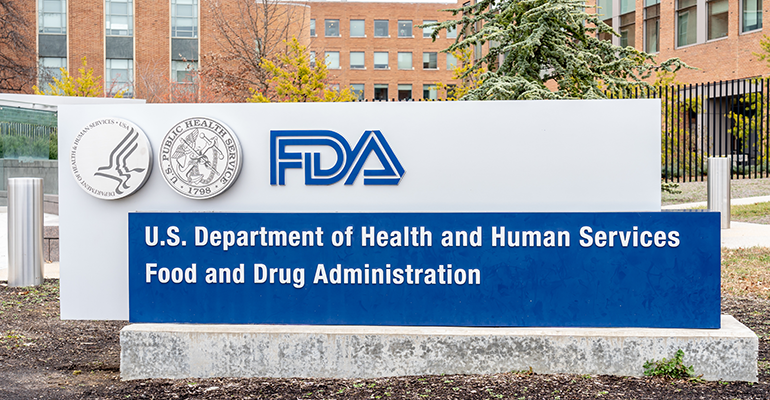
Since an update in 1997, GRAS has been a voluntary notification system. For almost three decades, food and beverage companies have therefore been able to obtain GRAS status for their own new chemicals and bypass agency notification.
A new analysis by the non-profit organisation Environmental Working Group (EWG) has found that at least 111 hidden substances have been added to the US food system, making their way into the foods and drinks that Americans consume.
None of these have been reviewed for safety, and neither the FDA nor the public were notified of their presence in these products.
These 49 chemicals were found in thousands of products including sports drinks, snack bars and cereals listed in the Department of Agriculture’s Branded Foods Database. The database provides consumers with access to nutrient and ingredient information for branded and store-brand foods. It plays a significant role in supporting food safety and public health.
Uncovering hidden chemicals in US foods
The EWG consulted three sources as part of its analysis.
External marketing materials were a core part of this review. EWG reviewed corporate press releases announcing “self-affirmed generally recognised as safe (GRAS) status” or similar language, and trade publication announcements mentioning the introduction of new substances.
Both of these sources were identified via a Google alert set up in 2017. EWG also examined AIBMR’s database of GRAS substances, covering data from 2001 through August 2025.
To identify ingredients added to foods without federal safety review, the researchers cross-referenced the ingredient names in these sources against the FDA’s database of voluntary submissions. They also checked GRAS listings in the Code of Federal Regulations.
Using the Agriculture Department’s Branded Foods Database, the EWG searched for each of the secret chemicals by name.
“We found 49 chemicals listed as ingredients,” Maricel Maffini, PhD, report co-author and independent researcher, told Ingredients Network. “In these cases, the companies decided their chemicals were safe to use in food but did not disclose their safety information, keeping the FDA and the public in the dark.”
GRAS and its problematic loophole
“[The GRAS loophole] means the FDA may not even know that some chemicals are being added to the food supply,” said Maffini.
In July 2025, an EWG analysis found that nearly 99% of food chemicals introduced into the US food system since 2000 were brought to market through the GRAS loophole rather than FDA review.
Following its recent analyses, the EWG has found that companies exploit the GRAS loophole to introduce new, highly processed substances without safety data. These include plant extracts, alternative proteins, and supplement ingredients.
“The FDA has long acknowledged concerns about the GRAS system, but the core loophole remains in place,” Maffini added.
No meaningful transparency or FDA oversight of US food supply
The US Department of Health and Human Services (HHS) shares these concerns.
“For far too long, the GRAS loophole has allowed ingredients to enter the food supply without meaningful transparency or FDA oversight,” a spokesperson for the HHS told Ingredients Network.
EWG researchers state their findings underscore why many scientists and public health advocates believe the FDA needs stronger authority and a mandatory notification requirement for all new food chemicals.
Following the EWG’s findings, attention now turns to how the FDA will act to prevent the continued circulation of these substances in the US food supply chain.
“We would expect that the FDA set up an investigation requiring the manufacturers of the 49 substances to provide the safety assessment to the FDA,” Maffini added.
US Department of Health working to close GRAS loophole
The EWG is calling on the FDA to ban secret GRAS determinations and withhold the GRAS designation from substances that are new, high-risk, or poorly studied. It also wants to see the FDA close the withdrawal loophole, which allows companies to withdraw a GRAS notice and continue to market a chemical without FDA review.
The non-profit is also urging the government agency to launch a robust post-market review programme for older food chemicals and revoke GRAS designation of ingredients the FDA deems unsafe, taking them off the market.
The HHS is now working to close the GRAS loophole. “Under Secretary Kennedy’s leadership, HHS is taking action to close those gaps and restore public trust,” said the spokesperson.
Over the past year, HHS has advanced reforms to strengthen oversight of the GRAS pathway, including steps to require greater notification, enhance interagency review and increase transparency around food ingredient safety through proposed rulemaking.
To date, New York and Pennsylvania have introduced GRAS transparency bills. Other states, including Arizona, California and Texas, have enacted legislation to ban or require labelling on harmful food chemicals. Furthermore, over 30 states have introduced similar bills this year.

Get more of our news on Google
Set Ingredients Network as a 'Preferred Source' to get quicker access to the news you value.
Related news

Do the US dietary guidelines put UPFs under pressure?
10 Sep 2026
Will the US dietary guidelines change the way Americans eat, swapping ultra-processed foods for whole foods? We asked Dr Barry Popkin, renowned nutrition and obesity researcher.
Read more
Food fraud costs UK economy £2bn each year
9 Sep 2026
Food fraud is costing the UK economy up to £2 billion (€2.3 billion) every year although the food sector is more “resilient” than others, according to a recent study.
Read more
Kellogg accelerates work to remove artificial colours from all US cereals
3 Sep 2026
WK Kellogg has announced an accelerated timeline to eliminate all artificial colours and the chemical preservative, BHT, across its full US portfolio of cereals and cereal packaging.
Read more
Skimpflation: An ‘unfair’ and risky approach to keeping prices low
2 Sep 2026
Consumers see skimpflation – reducing the quality of ingredients due to rising costs – as more unfair than shrinkflation, making it a risky strategy according to recent research.
Read more
NielsenIQ’s EU barometer shows Britain leading in grocery inflation
31 Aug 2026
Britain was the only country to record grocery inflation above 2%, according to NielsenIQ data that compared Europe’s five biggest grocery markets from February to May 2026.
Read more
‘Urgent gaps’ in achieving 2030 food system goals
27 Aug 2026
Global food systems are failing to meet 2030 targets across indicators including health, environment, and resilience, according to a report co-authored by the Food and Agriculture Organisation (FAO).
Read more
Chimac’s fusion sauces bring Korean flavours to Europe
25 Aug 2026
Irish sauce brand Chimac is tapping into Korea’s culinary traditions, bringing its flavours and products to European consumers who want a taste of K-food.
Read more
Global demand for instant noodles continues to rise
24 Aug 2026
Global demand for instant noodles reached 124.21 billion servings last year, representing a 0.7% year-on-year increase – or 900 million extra servings.
Read more
Popular barbecue staples experience sharp price increases
19 Aug 2026
The typical cost of US shoppers’ barbecue baskets has risen by 12% over the past year – the fastest annual rise in a decade, figures from The Economist show.
Read more
Hot NPD: Nissin launches first cold-water Cup Noodles
18 Aug 2026
Nissin is taking one of Japan’s most iconic instant meals in a completely new direction with the launch of the first cold water-only Cup Noodles in the brand’s 55-year history.
Read more