
Ingredients Categories
Finished Products
Finished Food Categories
- Bakery
- Beverages / Juices
- Cereal and grain products
- Confectionery
- Cooking Fats & Oils
- Dairy
- Egg products
- Fruits & Vegetables
- Infant & Baby food
- Meat, Poultry & Fish
- Nuts & Seeds products
- Other Finished Food Categories
- Pet Food
- Plant-based foods
- Prepared foods
- Sauces & Seasonings
- Sweet & Savoury Spreads
Specialised Finished Products
- Bee products
- Biotic products
- Dietary supplements
- Energy drinks
- Functional beverages
- Functional confectionery
- Functional food
- Functional powders
- Meal replacement products
- Nutricosmetics
- Other Specialised Finished Products
- Pet Dietary Supplements
- Pharma and OTC products
- Protein products
- Sugar replacers / Sweeteners
Health & Wellness Areas
Delivery Formats
Operations & Services
- 3D printing
- Analysis/ Testing
- Auditing & certifications
- Blending & mixing
- Bottling
- Certification
- Clinical trials
- Co-packing
- Coating
- Consulting
- Contract manufacturing
- Drying
- Electrospinning
- Encapsulating
- Enzymatic processing
- Extracting
- Extrusion
- Fat structuring
- Fermentation
- Filling
- Flavour development
- Freeze drying
- Granulating/ grinding/ milling / mixing
- High-pressure processing
- Labelling
- Other Operations & Services
- Packaging
- Packet filling
- Pasturising
- Quality assurance
- Saccharification
- Shear cell processing
- Spray drying
- Sterilisation
- Storage & Logistics
- Tabletting
- Toasting / roasting
- Ultra-high temperature processing
News
Organic food sales up in the US and UK
David Burrows, Freelance Journalist 16 Apr 2026Organic food sales are rising in both the UK and US – but domestic organic production is stagnant, leading to a reliance on imports.
The UK organic food and drink market has registered its 14th year of consecutive growth and doubled in value in the last decade, according to the Soil Association.
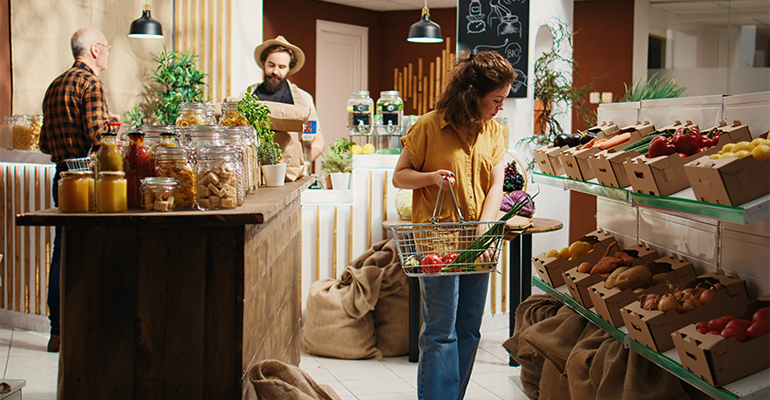
The 2026 Organic Market Report, which tracks the value growth of the market over the previous year (January to December 2025) showed that overall sales of organic have increased 4.2% to £3.9bn (€4.5bn). The major driver of this growth has been in supermarkets with a sales uplift of 7%.
The US Organic Trade Association (OTA) also presented its 2025 results in March, showing sales reached $76.6bn (€66bn) with an annual growth rate of 6.8%. According to the 2026 Organic Market Report organic grew at double that of the comparable marketplace, which grew at 3.4%.
“For the third year in a row, organic has grown faster than the total market, which indicates shoppers are prioritising their health and the planet, and are willing to pay a premium for it,” says Tom Chapman, co-CEO of the OTA.
The positive results in the UK also reflect “the strong consumer demand for healthier, more nature-friendly food”, said Soil Association Certification commercial director Alex Cullen.
Are fears over UPFs fuelling interest in organic?
Indeed, one in three households are worried about ultra‑processed foods (UPFs) and actively seek out ‘cleaner’ products, the Soil Association report noted. Headlines about the health impacts of pesticides and PFAS, or forever chemicals, have also pushed shoppers towards organic products. Gen Z is a standout demographic: 42% buy organic monthly and are 92% more likely than millennials to choose organic produce.
Health is dominating consumer choices, which includes a desire for more protein, fibre, and nutrient density that is benefitting more whole foods. With a rising number of households in the UK having at least one GLP-1 drug user, the trend to smaller but more nutrient-rich meal portions will only become more prevalent.
Which categories are winning big in UK and US organic markets?
Supermarkets have taken note of this demand for healthy, high-quality nutrient-rich food, and have reacted with rebrands and expansions to their organic ranges, along with more price promotions and loyalty discounts. Tesco has revamped its 100 or so organic lines, citing that “quality, great‑tasting organic food really matters” to customers, whilst Waitrose expanded its Duchy range to 250 products. The unit growth of organic in UK supermarkets is four times that of non-organic as major retailers lean into organic growth.
In the US, grocery products are now second only to fresh produce with sales up 4.2% to $15.7bn (€13.5bn). Highlights of the year included ongoing growth in organic baby food and formula of 8.8%, now accounting for 11% of organic grocery sales. Dried beans, fruits, and vegetables grew at 13.6%, driven by consumer demand for shelf stable products, correlating to consumer desire for healthy plant-based foods, clean eating and overall affordability.
In poultry, meat, and seafood, the “big story in 2025” was the growth in organic beef, said the OTA in its report. Sales topped $1.4bn (€1.2bn) in sales with 44.3% growth.
Over-reliance on organic imports
Efforts to grow domestic organic supply are “in process” in order to relieve pressure on imports.
US organic food sales roughly doubled from 2012-2024, however, during the same period, domestic organic farmland actually declined, noted Paul Lightfoot, who leads the food business at Patagonia.
Lightfoot highlighted how “the rest of the developed world is moving in the opposite direction. The European Union has set a target of 25% organic farmland by 2030 (Austria [is] already at 27%). Global organic acreage increased 543% between 2000 and 2022, even as American organic acreage shrank.”
The UK is experiencing similar issues, as overall organic production remains stagnant. The latest government figures (covering 2024) had the overall percentage of UK farmland stuck at 3%; while there was an increase in land ‘in-conversion’ in England last year, this dramatically slowed when Sustainable Farming Incentive (SFI) payments were frozen, the Soil Association noted.
Global sales of organic food and drink reached almost €145 billion euros in 2025, according to the 27th edition of The world of organic agriculture, published by the Research Institute of Organic Agriculture FiBL and IFOAM in February.
Organic agriculture is practised in more than 180 countries, and nearly 99 million hectares of agricultural land are managed organically by at least 4.8 million farmers.

Get more of our news on Google
Set Ingredients Network as a 'Preferred Source' to get quicker access to the news you value.
Related news

Do the US dietary guidelines put UPFs under pressure?
10 Sep 2026
Will the US dietary guidelines change the way Americans eat, swapping ultra-processed foods for whole foods? We asked Dr Barry Popkin, renowned nutrition and obesity researcher.
Read more
Food fraud costs UK economy £2bn each year
9 Sep 2026
Food fraud is costing the UK economy up to £2 billion (€2.3 billion) every year although the food sector is more “resilient” than others, according to a recent study.
Read more
Kellogg accelerates work to remove artificial colours from all US cereals
3 Sep 2026
WK Kellogg has announced an accelerated timeline to eliminate all artificial colours and the chemical preservative, BHT, across its full US portfolio of cereals and cereal packaging.
Read more
Skimpflation: An ‘unfair’ and risky approach to keeping prices low
2 Sep 2026
Consumers see skimpflation – reducing the quality of ingredients due to rising costs – as more unfair than shrinkflation, making it a risky strategy according to recent research.
Read more
NielsenIQ’s EU barometer shows Britain leading in grocery inflation
31 Aug 2026
Britain was the only country to record grocery inflation above 2%, according to NielsenIQ data that compared Europe’s five biggest grocery markets from February to May 2026.
Read more
‘Urgent gaps’ in achieving 2030 food system goals
27 Aug 2026
Global food systems are failing to meet 2030 targets across indicators including health, environment, and resilience, according to a report co-authored by the Food and Agriculture Organisation (FAO).
Read more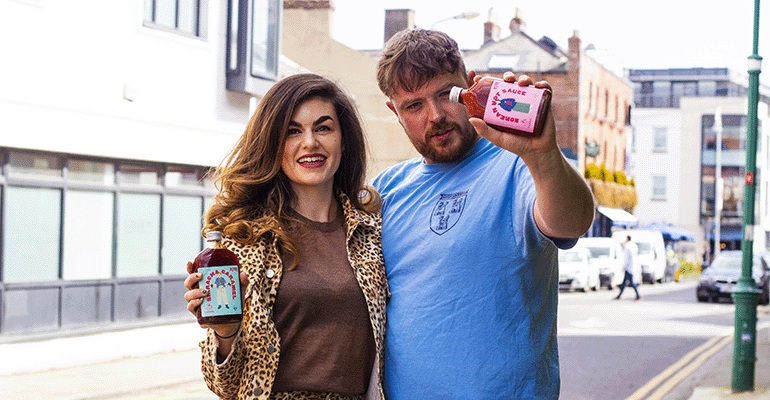
Chimac’s fusion sauces bring Korean flavours to Europe
25 Aug 2026
Irish sauce brand Chimac is tapping into Korea’s culinary traditions, bringing its flavours and products to European consumers who want a taste of K-food.
Read more
Global demand for instant noodles continues to rise
24 Aug 2026
Global demand for instant noodles reached 124.21 billion servings last year, representing a 0.7% year-on-year increase – or 900 million extra servings.
Read more
Popular barbecue staples experience sharp price increases
19 Aug 2026
The typical cost of US shoppers’ barbecue baskets has risen by 12% over the past year – the fastest annual rise in a decade, figures from The Economist show.
Read more
Hot NPD: Nissin launches first cold-water Cup Noodles
18 Aug 2026
Nissin is taking one of Japan’s most iconic instant meals in a completely new direction with the launch of the first cold water-only Cup Noodles in the brand’s 55-year history.
Read more