
Ingredients Categories
Finished Products
Finished Food Categories
- Bakery
- Beverages / Juices
- Cereal and grain products
- Confectionery
- Cooking Fats & Oils
- Dairy
- Egg products
- Fruits & Vegetables
- Infant & Baby food
- Meat, Poultry & Fish
- Nuts & Seeds products
- Other Finished Food Categories
- Pet Food
- Plant-based foods
- Prepared foods
- Sauces & Seasonings
- Sweet & Savoury Spreads
Specialised Finished Products
- Bee products
- Biotic products
- Dietary supplements
- Energy drinks
- Functional beverages
- Functional confectionery
- Functional food
- Functional powders
- Meal replacement products
- Nutricosmetics
- Other Specialised Finished Products
- Pet Dietary Supplements
- Pharma and OTC products
- Protein products
- Sugar replacers / Sweeteners
Health & Wellness Areas
Delivery Formats
Operations & Services
- 3D printing
- Analysis/ Testing
- Auditing & certifications
- Blending & mixing
- Bottling
- Certification
- Clinical trials
- Co-packing
- Coating
- Consulting
- Contract manufacturing
- Drying
- Electrospinning
- Encapsulating
- Enzymatic processing
- Extracting
- Extrusion
- Fat structuring
- Fermentation
- Filling
- Flavour development
- Freeze drying
- Granulating/ grinding/ milling / mixing
- High-pressure processing
- Labelling
- Other Operations & Services
- Packaging
- Packet filling
- Pasturising
- Quality assurance
- Saccharification
- Shear cell processing
- Spray drying
- Sterilisation
- Storage & Logistics
- Tabletting
- Toasting / roasting
- Ultra-high temperature processing
News
PepsiCo targeting 'big opportunity' in out-of-home snacking
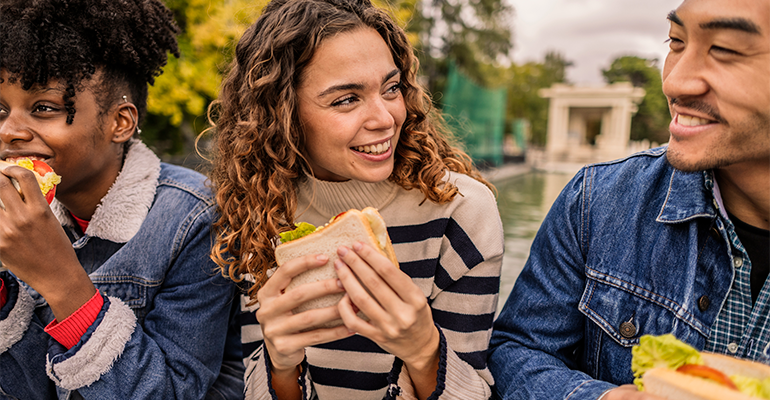
Kacey Culliney, Freelance Journalist 15 Apr 2026PepsiCo is “restaging” its biggest brands – Lay's, Tostitos, Gatorade, and Quaker – to strengthen their out-of-home positioning as consumers continue to eat outside of the home, its CEO says.
Last year, PepsiCo generated €80.7 billion ($94bn) in revenue, with 30 of its global brands pulling in more than one billion dollars each. The company's goal this year is to widen reach and grow revenues further by transforming its portfolio “for the long-term” to align with market opportunities, said Ramon L. Laguarta, chairman and CEO of PepsiCo.
PepsiCo’s top brands: Lay's, Tostitos, Gatorade, and Quaker
“Consumers are shopping differently, and clearly omni-channel is growing very fast. And consumers are spending a lot of their time and a lot of their calories outside of home, which creates a big opportunity for away-from-home,” Laguarta told analysts at the Consumer Analyst Group of New York (CAGNY) 2026 conference held in Florida..
Currently, PepsiCo is “very well developed” across at-home and retail, he said, but “less developed” in the away-from-home space. The focus, therefore, is on elevating product offerings here to “capture many more locations”. And PepsiCo plans to do this by “restaging” four of its top brands this year – Lay's, Tostitos, Gatorade, and Quaker – following on from the successful Pepsi rebrand towards 'no sugar', the CEO said.
Laguarta said these four brands represented more than €12.8 billion ($15bn) for PepsiCo globally and their transformation would take shape worldwide.
Lay's and Tostitos: Focus on fresh, home-made ingredients
For Lay's and Tostitos, the focus will be on “trying to change the food in the brand”, he explained, drilling down messaging around working with the best and freshest potatoes, talking more about the maize flour or 'masa' used in Tostitos, removing artificial ingredients, and introducing new cooking methods and alternative oils, including olive and avocado.
Overall, he said, the aim is to reposition these two brands as more natural and highlight the simple ingredients within them.
“We want to have cooking methods like 'Baked' and 'Kettle'. We will have olive oil; we'll have avocado oil. We'll have multiple partitions of the brand that I'm sure consumers will love as we go forward.”
‘Hydration is a big opportunity’ for Gatorade
For Gatorade, the CEO said the focus is on hydration for “everyday occasions throughout the day for every consumer”, taking the brand beyond its traditional sports roots.
PepsiCo is developing new formats, including powders, as well as improving functionality and offering options like low-sugar under the brand.
“Hydration is a big opportunity. We're all dehydrated; we need to drink from the moment we wake up to the end of the day.”
For Quaker, PepsiCo is relaunching the brand in the second half (H2) of 2026 to pivot products towards benefits around gut health, heart health, energy and weight management–playing into a space that “very few other brands can do” across on-the-go and at-home consumption, Laguarta said.
Positioning snacks as on-the-go ‘mini-meals’
Laguarta said Doritos will be another important brand in PepsiCo's push to broaden its away-from-home portfolio, particularly with the 'Doritos Loaded' concept of using the chips as a base for additional protein and veggies. Beyond the company's away-from-home partners and quick-service restaurants working with the brand, he said there is a lot of interest for kits being made available at retail for consumers to build their own loaded Doritos snack or mini meal.
PepsiCo will also start testing other “mini meal solutions” across its dip brand Sabra, Mexican snack brand Siete and Spanish gazpacho soup brand Alvalle. The goal here, the CEO explained, is to drive more away-from-home occasions by offering “on the go” meal options that are small, quick and nutritious for busy consumers.
More broadly, the company also wants to expand “portion control” formats across all of its brands, he said. “We think portion control will be critical for our categories to continue to increase frequency of consumption. Consumers are telling us: I love your products but I want it in 100 calories; I want it in 125 calories, 150 calories. We're expanding that.”
Laguarta said PepsiCo will also continue its expansion of Drips by Pepsi, a mixology experience where consumers can enjoy made-to-order blends of various Pepsi drinks and flavours. “This is something that we're building,” he said, with scale-up plans set for this year.

Get more of our news on Google
Set Ingredients Network as a 'Preferred Source' to get quicker access to the news you value.
Related news

Do the US dietary guidelines put UPFs under pressure?
10 Sep 2026
Will the US dietary guidelines change the way Americans eat, swapping ultra-processed foods for whole foods? We asked Dr Barry Popkin, renowned nutrition and obesity researcher.
Read more
Health and wellness engagement matures across Middle East and Africa
4 Sep 2026
Many consumers in the Middle East and Africa are now proactively engaged in health and wellness, looking to integrate better habits and products into their daily lives, say experts.
Read more
Skimpflation: An ‘unfair’ and risky approach to keeping prices low
2 Sep 2026
Consumers see skimpflation – reducing the quality of ingredients due to rising costs – as more unfair than shrinkflation, making it a risky strategy according to recent research.
Read more
‘Urgent gaps’ in achieving 2030 food system goals
27 Aug 2026
Global food systems are failing to meet 2030 targets across indicators including health, environment, and resilience, according to a report co-authored by the Food and Agriculture Organisation (FAO).
Read more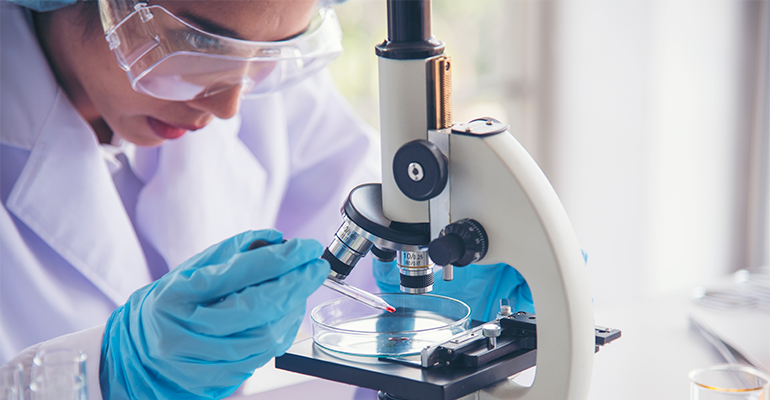
Seven-Eleven uses microbial testing tech to extend katsudon shelf life
26 Aug 2026
Japanese retail company Seven-Eleven has improved its factory’s microbial environment to keep comfort-food staple, katsudon, fresher for longer.
Read more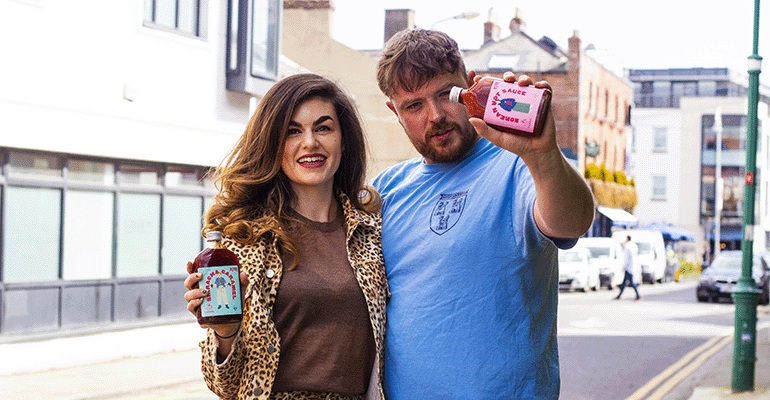
Chimac’s fusion sauces bring Korean flavours to Europe
25 Aug 2026
Irish sauce brand Chimac is tapping into Korea’s culinary traditions, bringing its flavours and products to European consumers who want a taste of K-food.
Read more
Global demand for instant noodles continues to rise
24 Aug 2026
Global demand for instant noodles reached 124.21 billion servings last year, representing a 0.7% year-on-year increase – or 900 million extra servings.
Read more
Popular barbecue staples experience sharp price increases
19 Aug 2026
The typical cost of US shoppers’ barbecue baskets has risen by 12% over the past year – the fastest annual rise in a decade, figures from The Economist show.
Read more
Hot NPD: Nissin launches first cold-water Cup Noodles
18 Aug 2026
Nissin is taking one of Japan’s most iconic instant meals in a completely new direction with the launch of the first cold water-only Cup Noodles in the brand’s 55-year history.
Read more
Manam Chocolate aims to bring premium Indian cacao to 'the world stage'
11 Aug 2026
Craft chocolate brand Manam Chocolate is investing in local expansion and supply chain innovation throughout India as it works to build out the premium reputation of its locally produced cacao products.
Read more