
Ingredients Categories
Finished Products
Finished Food Categories
- Bakery
- Beverages / Juices
- Cereal and grain products
- Confectionery
- Cooking Fats & Oils
- Dairy
- Egg products
- Fruits & Vegetables
- Infant & Baby food
- Meat, Poultry & Fish
- Nuts & Seeds products
- Other Finished Food Categories
- Pet Food
- Plant-based foods
- Prepared foods
- Sauces & Seasonings
- Sweet & Savoury Spreads
Specialised Finished Products
- Bee products
- Biotic products
- Dietary supplements
- Energy drinks
- Functional beverages
- Functional confectionery
- Functional food
- Functional powders
- Meal replacement products
- Nutricosmetics
- Other Specialised Finished Products
- Pet Dietary Supplements
- Pharma and OTC products
- Protein products
- Sugar replacers / Sweeteners
Health & Wellness Areas
Delivery Formats
Operations & Services
- 3D printing
- Analysis/ Testing
- Auditing & certifications
- Blending & mixing
- Bottling
- Certification
- Clinical trials
- Co-packing
- Coating
- Consulting
- Contract manufacturing
- Drying
- Electrospinning
- Encapsulating
- Enzymatic processing
- Extracting
- Extrusion
- Fat structuring
- Fermentation
- Filling
- Flavour development
- Freeze drying
- Granulating/ grinding/ milling / mixing
- High-pressure processing
- Labelling
- Other Operations & Services
- Packaging
- Packet filling
- Pasturising
- Quality assurance
- Saccharification
- Shear cell processing
- Spray drying
- Sterilisation
- Storage & Logistics
- Tabletting
- Toasting / roasting
- Ultra-high temperature processing
News
European consumers want more freedom to choose biotech-based food
Natasha Spencer-Jolliffe, Freelance Journalist 3 Sep 2024Survey findings point to growing levels of interest in cultivated meat as European consumers say they want the freedom to choose the lab-based products.
Do consumers want more freedom to choose biotech-led food? That’s what the results of a new survey state when it comes to cultivated meat. According to the 2024 survey by YouGov Deutschland and sponsored by nonprofit organisation Good Food Institute Europe (GFI Europe), European consumers are in favour of having the option to choose cultivated meat.
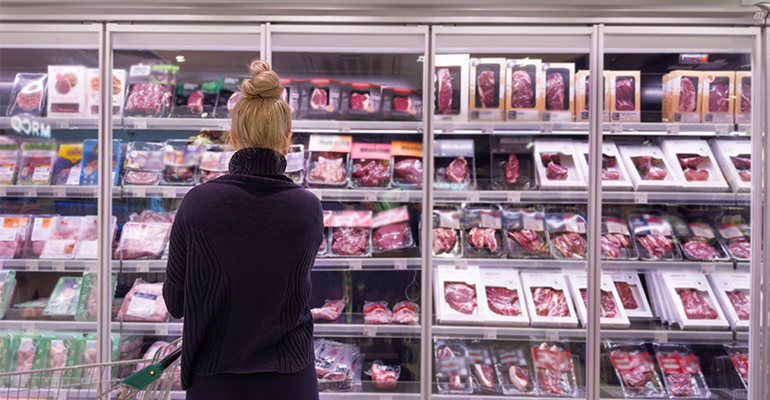
Murmurs and movements in the development of cultivated meat have been in the food industry for around ten years. While only 8% of consumers were willing to try cultivated meat in 2015, this figure had grown to 30% by 2018-2019, market insights provider Mintel found.
In 2022, Mintel said cultivated meat is an important area to watch as it leverages the potential of cellular agriculture which can combine animal-based, plant-based, and cultivated product offerings to meet consumers’ protein requirements.
Regulatory backing is key
Cultivated meat, produced via fermentation, rather than by farming animals, needs approval under the European Union (EU)'s Novel Foods Regulation before it can be sold in any of the 27 member states. “Cultivated meat must go through one of the world’s most rigorous regulatory processes before it will be available in the EU,” said Seth Roberts, senior policy manager at GFI Europe.
The survey, which explored the views of consumers in 15 European countries, found that most respondents believe that food safety regulators should have the ultimate authority, even though some countries, such as Italy, are considering banning it.
Once EU regulators approve cultivated meat, most survey participants believe consumers should have the freedom to choose whether or not to consume cultivated meat. “This survey shows people across a wide range of countries believe that once it’s been approved, it should be down to consumers to decide whether or not they want to eat it,” added Roberts.
The survey saw YouGov Deutschland interview over 16,000 consumers from 15 European countries. According to the survey, 69% of individuals in Portugal, 58% in Spain, 65% in Germany, and 57% in Belgium support the approval of cultivated meat for sale, pending confirmation of its safety and nutritional value by food regulators.
In France and Romania, just under half of those surveyed shared this view, along with 53% in Italy, despite the government's decision to ban cultivated meat last year.
Consumers favour domestic manufacturing
The study also discovered that individuals believe cultivated meat needs to be manufactured domestically to support the local economy. In 14 nations, over half of the population favours domestically produced cultivated meat if it is sanctioned for sale, as it is seen as beneficial for the country's economy.
Support for this measure is as high as 66% in Germany and Austria. In Czechia, 62% of those surveyed held this view, while in Portugal, the percentage was 64%. In Denmark, Sweden, and the Netherlands, 60% of those surveyed held this view, and in Poland, the percentage was 51%.
In all 13 countries where the question was posed, the majority of consumers believed that packaging for cultivated meat should be permitted to use traditional meat names such as chicken, burger, and sausage, as long as it clearly indicates that the meat is produced using a different process.
Additionally, a separate poll shared the perspectives of Austrians and Germans earlier in the year. It also found that in eight nations, over 50% of respondents expressed a willingness to sample cultivated meat if it was accessible, while over 40% of respondents in six other nations agreed with this sentiment.
Lack of awareness threatens acceptance
In the separate poll, the level of awareness about cultivated meat differed widely, however. Almost two-thirds (61%) of consumers in the Netherlands reported being familiar with the innovative lab-based production method behind cultivated meat while only 23% of people in Greece were aware of it. In most countries, fewer than 20% of people reported knowing a lot about cultured meat.
Securing shoppers’ freedom to find, sample, and buy cultivated meat creates widespread opportunities for food manufacturers. "As well as revealing that the regulatory process is essential to ensure consumers can have confidence in cultivated meat, the findings also show that less than a fifth of people in most countries know a lot about it,” Alex Holst, deputy head of policy at GFI Europe told Ingredients Network.
Education and information surrounding cultivated meat therefore is a clear priority for brands to gain approval and acceptance of their products without alienating shoppers. Announcing its global trends in food and drink for 2030, Mintel revealed that food technology and science will continue to strengthen as they serve to bolster global food supplies. Yet, in a world where scientists are expected to be as crucial as farmers in the food supply chain, clear communication and information transparency are vital to building trust.
“With misinformation about cultivated meat having clouded the public debate in some countries, there is an urgent need for clear and accurate information about this food to be made widely available,” said Holst.
Consumers want the freedom to choose cultivated meat
Freedom for European consumers amounts to having the choice to opt for cultivated meat products. “The findings clearly show that across a wide range of European countries, many consumers are open to cultivated meat and believe that once it’s been through the EU’s robust regulatory process, it should be down to consumers to decide whether or not they want to eat it,” Holst added.
Currently, a lack of approved lab-based applications in the European market has impeded consumer freedom to access, try, and purchase these products. That may all be set to change now, however, after French cultivated meat producer Gourmey became the first company to apply for novel food approval for its cultivated ‘foie gras’ product in July 2024 .
"Now we have received the exciting news that the first application to sell cultivated meat in the EU has been submitted, the experts can get to work, using this rigorous framework to assess the safety and nutritional quality of this new food,” Holst said.
Leaders and policymakers’ approval is critical in ensuring cultivated meat is accessible and affordable for shoppers and therefore an available choice that they have freedom to opt for. "Cultivated meat remains at an early stage, and to make it affordable and accessible to everyone, and maximise its social benefits, governments need to invest in open-access research, support scaling up production, and bring down prices,” added Holst.

Get more of our news on Google
Set Ingredients Network as a 'Preferred Source' to get quicker access to the news you value.
Related news

M&S launches own-brand pet food range
11 Sep 2026
UK retailer Marks & Spencer has launched its own-brand pet food line Paws & Pals – a well-timed and strategic move that will appeal to loyal shoppers, says a marketing expert.
Read more
Do the US dietary guidelines put UPFs under pressure?
10 Sep 2026
Will the US dietary guidelines change the way Americans eat, swapping ultra-processed foods for whole foods? We asked Dr Barry Popkin, renowned nutrition and obesity researcher.
Read more
Food fraud costs UK economy £2bn each year
9 Sep 2026
Food fraud is costing the UK economy up to £2 billion (€2.3 billion) every year although the food sector is more “resilient” than others, according to a recent study.
Read more
Health and wellness engagement matures across Middle East and Africa
4 Sep 2026
Many consumers in the Middle East and Africa are now proactively engaged in health and wellness, looking to integrate better habits and products into their daily lives, say experts.
Read more
Kellogg accelerates work to remove artificial colours from all US cereals
3 Sep 2026
WK Kellogg has announced an accelerated timeline to eliminate all artificial colours and the chemical preservative, BHT, across its full US portfolio of cereals and cereal packaging.
Read more
Skimpflation: An ‘unfair’ and risky approach to keeping prices low
2 Sep 2026
Consumers see skimpflation – reducing the quality of ingredients due to rising costs – as more unfair than shrinkflation, making it a risky strategy according to recent research.
Read more
Royal Canin launches ‘freshly-cooked’ therapeutic dog food
1 Sep 2026
Mars-owned Royal Canin has moved into the therapeutic diet sector with the launch of its Fresh Veterinary Diets range for dogs with health conditions. We asked a veterinary nutritionist for her opinion.
Read more
NielsenIQ’s EU barometer shows Britain leading in grocery inflation
31 Aug 2026
Britain was the only country to record grocery inflation above 2%, according to NielsenIQ data that compared Europe’s five biggest grocery markets from February to May 2026.
Read more
‘Urgent gaps’ in achieving 2030 food system goals
27 Aug 2026
Global food systems are failing to meet 2030 targets across indicators including health, environment, and resilience, according to a report co-authored by the Food and Agriculture Organisation (FAO).
Read more
Seven-Eleven uses microbial testing tech to extend katsudon shelf life
26 Aug 2026
Japanese retail company Seven-Eleven has improved its factory’s microbial environment to keep comfort-food staple, katsudon, fresher for longer.
Read more