
Ingredients Categories
Finished Products
Finished Food Categories
- Bakery
- Beverages / Juices
- Cereal and grain products
- Confectionery
- Cooking Fats & Oils
- Dairy
- Egg products
- Fruits & Vegetables
- Infant & Baby food
- Meat, Poultry & Fish
- Nuts & Seeds products
- Other Finished Food Categories
- Pet Food
- Plant-based foods
- Prepared foods
- Sauces & Seasonings
- Sweet & Savoury Spreads
Specialised Finished Products
- Bee products
- Biotic products
- Dietary supplements
- Energy drinks
- Functional beverages
- Functional confectionery
- Functional food
- Functional powders
- Meal replacement products
- Nutricosmetics
- Other Specialised Finished Products
- Pet Dietary Supplements
- Pharma and OTC products
- Protein products
- Sugar replacers / Sweeteners
Health & Wellness Areas
Delivery Formats
Operations & Services
- 3D printing
- Analysis/ Testing
- Auditing & certifications
- Blending & mixing
- Bottling
- Certification
- Clinical trials
- Co-packing
- Coating
- Consulting
- Contract manufacturing
- Drying
- Electrospinning
- Encapsulating
- Enzymatic processing
- Extracting
- Extrusion
- Fat structuring
- Fermentation
- Filling
- Flavour development
- Freeze drying
- Granulating/ grinding/ milling / mixing
- High-pressure processing
- Labelling
- Other Operations & Services
- Packaging
- Packet filling
- Pasturising
- Quality assurance
- Saccharification
- Shear cell processing
- Spray drying
- Sterilisation
- Storage & Logistics
- Tabletting
- Toasting / roasting
- Ultra-high temperature processing
News
Fermentation has the potential to power ‘high value nutrition’
Lynda Searby, Freelance Journalist 26 Jan 2026Fermentation is key to unlocking significant nutraceutical opportunities, including advancing biotics from live cultures to postbiotic metabolites, says one strategist.
As the narrative around ultra-processed foods (UPFs) shifts to more nuanced, data-based classification, it is creating an opportunity for the industry to show that processing can be positive. In this context, fermentation has been tipped as a clean production technique that has the potential to restore trust whilst powering healthy innovation, according to Marit Veenstra, brand and innovation strategist at the Healthy Marketing Team (HMT).
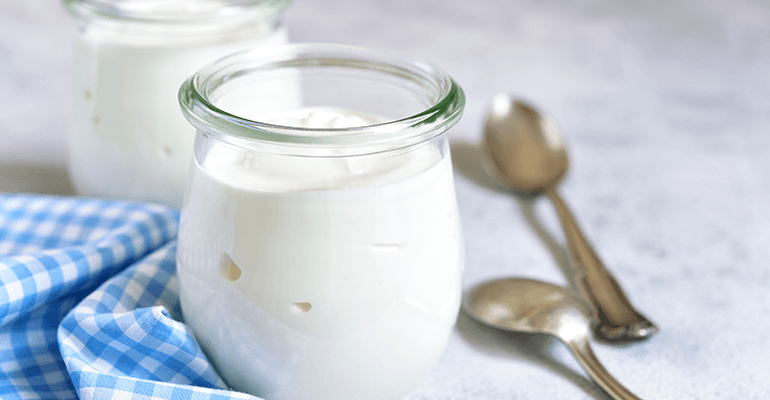
Fermentation: Old technology, new opportunities
“Fermentation is one of the oldest technologies for preserving foods but it’s also one of today’s biggest opportunities. It connects with the consumer, industry and government response to the UPF crisis, which is to go back to real, simple, and authentic foods,” she told this publication.
Veenstra dubs fermentation as the original “processing with purpose”, resulting in food that “tastes real, digests naturally, and stays stable without the baddies”.
“Fermentation has the power to unlock what’s already there. It converts under-utilised compounds into bioactive ones, improving digestibility, bioavailability, flavour, and functionality, while reducing waste and anti-nutrients. In short it has the potential to create high-value nutrition,” she said.
The evolution of fermentation
In recent history, fermentation-based new product development (NPD) has, broadly speaking, gone in two directions, according to Veenstra. In the 1990s, manufacturers such as Danone and Yakult drove a “biotics boom”, educating consumers about good and bad bacteria, gut flora, and the microbiome, through probiotic yoghurts and drinks.
“This was where fermentation became a functional story, focused on benefits and claims, but not really on the culture or craft of the fermentation itself,” said Veenstra.
The other direction was “lifestyle fermentation”, a hipster trend that saw consumers rediscovering fermented foods as living, authentic and real, through products such as kombucha, kimchi, sourdough, and kefir. However, that trend was niche, premium, and too “craft” for the mass market, according to Veenstra.
The next step is using fermentation as a next-generation technology to help the industry create future-proof foods – and that is where we are today, she said.
Future fermentation opportunities
Healthy Marketing Team has identified three main opportunities for fermentation-based NPD:
Opportunity #1: Leveraging hidden nutritional assets
“Leverage the hidden nutritional assets of fermentation to create simple, real-food products with natural taste, texture, and easy-to-understand benefits, without the baddies,” said Veenstra. “This is about promoting the intrinsic goodness.”
Products that align with this approach include Siggi’s Icelandic yoghurt, organic sourdough bread brand SlooOW, and fermented vegetable brand Symplicity, which is using lacto-fermentation to create meat-free burgers, sausages, and ‘nduja, a spicy Italian meat paste.
Opportunity #2: Creating a new segment in biotics
This opportunity is about advancing biotics beyond probiotics to fermentates, to unlock new health benefits and a system-level approach to the microbiome, said Veenstra.
“The next wave is postbiotic- and metabolite-led: defined, stable, benefit-specific compounds produced through fermentation. It will be less about ‘adding bacteria’ and more about delivering outcomes, with better consistency and stability, clearer mechanisms, and fewer compliance issues,” she explained.
It is early days for postbiotics, but one product example is ReFerm by Nordic Rebalance. This Swedish-Danish life science company uses a proprietary fermentation technology to transform Swedish oats into a concentrated postbiotic ingredient that is said to strengthen the gut barrier and reduce inflammation. Another is Gaia Herbs’ Sauerkraut Postbiotic, which claims to support a healthy gut and immune system.
Opportunity #3: New low impact, high nutrition ingredients
The third opportunity identified by HMT is that of creating “future-proof foods” by substituting conventional ingredients with low-impact, high-nutrition, precision fermentation-derived alternatives.
Examples of this approach include Nukoko, which is using precision fermentation to transform fava beans into chocolate, and Remilk, whose precision fermentation derived milk proteins enable the production of dairy products without the cows.
Here, however, Veenstra believes there is a consumer education job to be done.
“This story is more difficult to tell. Even though the outcome is real food, it is high tech and most of it starts in the lab. It will take many years for consumers to understand and accept that.”

Get more of our news on Google
Set Ingredients Network as a 'Preferred Source' to get quicker access to the news you value.
Related news

M&S launches own-brand pet food range
11 Sep 2026
UK retailer Marks & Spencer has launched its own-brand pet food line Paws & Pals – a well-timed and strategic move that will appeal to loyal shoppers, says a marketing expert.
Read more
Do the US dietary guidelines put UPFs under pressure?
10 Sep 2026
Will the US dietary guidelines change the way Americans eat, swapping ultra-processed foods for whole foods? We asked Dr Barry Popkin, renowned nutrition and obesity researcher.
Read more
Food fraud costs UK economy £2bn each year
9 Sep 2026
Food fraud is costing the UK economy up to £2 billion (€2.3 billion) every year although the food sector is more “resilient” than others, according to a recent study.
Read more
Health and wellness engagement matures across Middle East and Africa
4 Sep 2026
Many consumers in the Middle East and Africa are now proactively engaged in health and wellness, looking to integrate better habits and products into their daily lives, say experts.
Read more
Kellogg accelerates work to remove artificial colours from all US cereals
3 Sep 2026
WK Kellogg has announced an accelerated timeline to eliminate all artificial colours and the chemical preservative, BHT, across its full US portfolio of cereals and cereal packaging.
Read more
Skimpflation: An ‘unfair’ and risky approach to keeping prices low
2 Sep 2026
Consumers see skimpflation – reducing the quality of ingredients due to rising costs – as more unfair than shrinkflation, making it a risky strategy according to recent research.
Read more
Royal Canin launches ‘freshly-cooked’ therapeutic dog food
1 Sep 2026
Mars-owned Royal Canin has moved into the therapeutic diet sector with the launch of its Fresh Veterinary Diets range for dogs with health conditions. We asked a veterinary nutritionist for her opinion.
Read more
NielsenIQ’s EU barometer shows Britain leading in grocery inflation
31 Aug 2026
Britain was the only country to record grocery inflation above 2%, according to NielsenIQ data that compared Europe’s five biggest grocery markets from February to May 2026.
Read more
‘Urgent gaps’ in achieving 2030 food system goals
27 Aug 2026
Global food systems are failing to meet 2030 targets across indicators including health, environment, and resilience, according to a report co-authored by the Food and Agriculture Organisation (FAO).
Read more
Seven-Eleven uses microbial testing tech to extend katsudon shelf life
26 Aug 2026
Japanese retail company Seven-Eleven has improved its factory’s microbial environment to keep comfort-food staple, katsudon, fresher for longer.
Read more