
Ingredients Categories
Finished Products
Finished Food Categories
- Bakery
- Beverages / Juices
- Cereal and grain products
- Confectionery
- Cooking Fats & Oils
- Dairy
- Egg products
- Fruits & Vegetables
- Infant & Baby food
- Meat, Poultry & Fish
- Nuts & Seeds products
- Other Finished Food Categories
- Pet Food
- Plant-based foods
- Prepared foods
- Sauces & Seasonings
- Sweet & Savoury Spreads
Specialised Finished Products
- Bee products
- Biotic products
- Dietary supplements
- Energy drinks
- Functional beverages
- Functional confectionery
- Functional food
- Functional powders
- Meal replacement products
- Nutricosmetics
- Other Specialised Finished Products
- Pet Dietary Supplements
- Pharma and OTC products
- Protein products
- Sugar replacers / Sweeteners
Health & Wellness Areas
Delivery Formats
Operations & Services
- 3D printing
- Analysis/ Testing
- Auditing & certifications
- Blending & mixing
- Bottling
- Certification
- Clinical trials
- Co-packing
- Coating
- Consulting
- Contract manufacturing
- Drying
- Electrospinning
- Encapsulating
- Enzymatic processing
- Extracting
- Extrusion
- Fat structuring
- Fermentation
- Filling
- Flavour development
- Freeze drying
- Granulating/ grinding/ milling / mixing
- High-pressure processing
- Labelling
- Other Operations & Services
- Packaging
- Packet filling
- Pasturising
- Quality assurance
- Saccharification
- Shear cell processing
- Spray drying
- Sterilisation
- Storage & Logistics
- Tabletting
- Toasting / roasting
- Ultra-high temperature processing
News
Hopes for a plastics treaty hang in the balance
David Burrows, Freelance Journalist 20 Aug 2025A global deal to reduce plastic production, improve recycling, and cut exposure to a cocktail of chemicals used in packaging now hangs in the balance.
Three years of negotiations have failed to create a global plastics treaty after the “final” talks broke down in Geneva, Switzerland, last week.
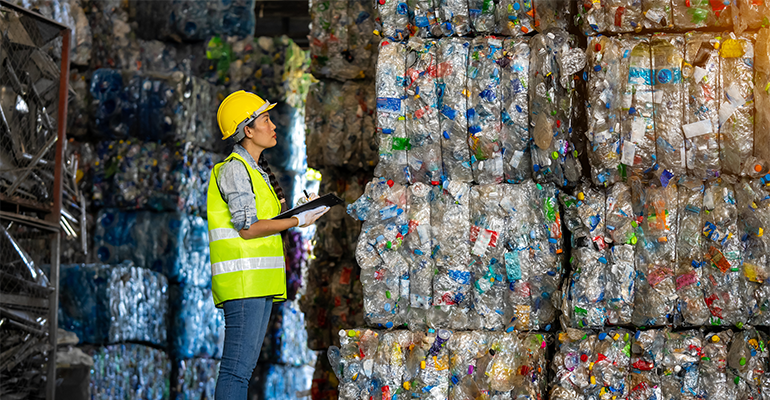
The United Nations Environment Programme (UNEP), which led the talks, tried to put a positive spin on the failure to agree the promised treaty.
While the news “may bring sadness”, according to Luis Vayas Valdivieso, Intergovernmental Negotiating Committee (INC) chair ambassador, “it should not lead to discouragement”, he added, calling on those involved to “regain our energy, renew our commitments, and unite our aspirations”.
No deal at all ‘better than a toothless treaty’
Green non-governmental organisations (NGOs) and the businesses pushing for an ambitious, legally binding treaty that includes a cap on production of plastic are now left wondering whether no deal (so far) is better than a bad deal.
“The lack of a successful outcome not only delays the development of much-needed harmonised global rules – it also makes me wonder how this kind of genuine, constructive exchange between so many decision-makers and stakeholders will continue moving forward,” wrote PepsiCo global environmental policy leader Anke Boykin on social media.
“The supposedly final round of negotiations […] has exposed deep geopolitical divides and a troubling resistance to confronting the real drivers of plastic pollution,” said Christina Dixon, from the Environmental Investigation Agency, which has been working on this issue for the duration of the process.
“No deal is better than a toothless treaty,” she added, before admitting that those championing an ambitious treaty “are tired of fighting against those who want nothing and will not come to the table”.
Voluntary efforts on plastic packaging commitments ‘are not enough’
The Business Coalition for a Global Plastics Treaty, which includes the likes of Mars, Coca-Cola, Walmart, and Kraft Heinz among its 300 members, also kept its glass half-full, acknowledging that there has been “increased clarity” on the harmonised regulations needed across the full lifecycle of plastics to tackle plastic pollution effectively.
This includes phase-outs of certain plastics, changes to product design, and extended producer responsibility (EPR).
Six rounds of talks have failed to bridge a divide between what are generally seen as a group of more than 100 countries seeking a robust agreement and those from oil-producing nations who are relying on continued growth in plastic production and want the focus to remain on voluntary action and higher levels of recycling.
Globally, fewer than 10% of plastics are thought to be recycled. The price of some recycled polymers is currently far higher than virgin plastic, prompting some food and drink companies to put the brakes on their use of recycled content in packaging (which can help reduce their greenhouse gas emissions).
Others have begun to water down or sunset their commitments on plastic packaging, including targets to increase recycled content and scale reusable packaging models.
“Voluntary efforts are not enough,” said Jodie Roussell, global public affairs lead for packaging and sustainability at Nestlé.

Get more of our news on Google
Set Ingredients Network as a 'Preferred Source' to get quicker access to the news you value.
Related news

Do the US dietary guidelines put UPFs under pressure?
10 Sep 2026
Will the US dietary guidelines change the way Americans eat, swapping ultra-processed foods for whole foods? We asked Dr Barry Popkin, renowned nutrition and obesity researcher.
Read more
Food fraud costs UK economy £2bn each year
9 Sep 2026
Food fraud is costing the UK economy up to £2 billion (€2.3 billion) every year although the food sector is more “resilient” than others, according to a recent study.
Read more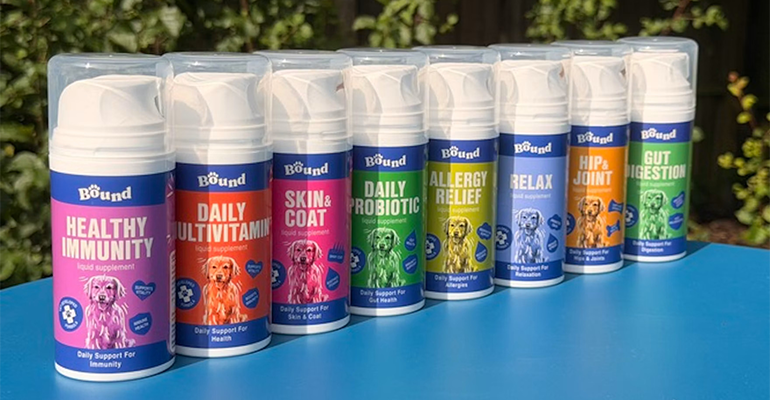
Pump-based liquid pet supplement focuses on health and convenience
8 Sep 2026
Prefera Pet Food uses a plastic pump-based packaging to make administering its liquid supplements for cats and dogs easier, healthier, and more accurate.
Read more
Health and wellness engagement matures across Middle East and Africa
4 Sep 2026
Many consumers in the Middle East and Africa are now proactively engaged in health and wellness, looking to integrate better habits and products into their daily lives, say experts.
Read more
Kellogg accelerates work to remove artificial colours from all US cereals
3 Sep 2026
WK Kellogg has announced an accelerated timeline to eliminate all artificial colours and the chemical preservative, BHT, across its full US portfolio of cereals and cereal packaging.
Read more
Royal Canin launches ‘freshly-cooked’ therapeutic dog food
1 Sep 2026
Mars-owned Royal Canin has moved into the therapeutic diet sector with the launch of its Fresh Veterinary Diets range for dogs with health conditions. We asked a veterinary nutritionist for her opinion.
Read more
‘Urgent gaps’ in achieving 2030 food system goals
27 Aug 2026
Global food systems are failing to meet 2030 targets across indicators including health, environment, and resilience, according to a report co-authored by the Food and Agriculture Organisation (FAO).
Read more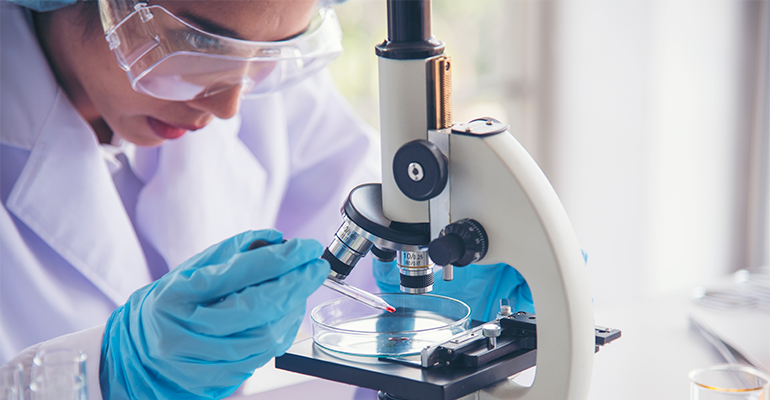
Seven-Eleven uses microbial testing tech to extend katsudon shelf life
26 Aug 2026
Japanese retail company Seven-Eleven has improved its factory’s microbial environment to keep comfort-food staple, katsudon, fresher for longer.
Read more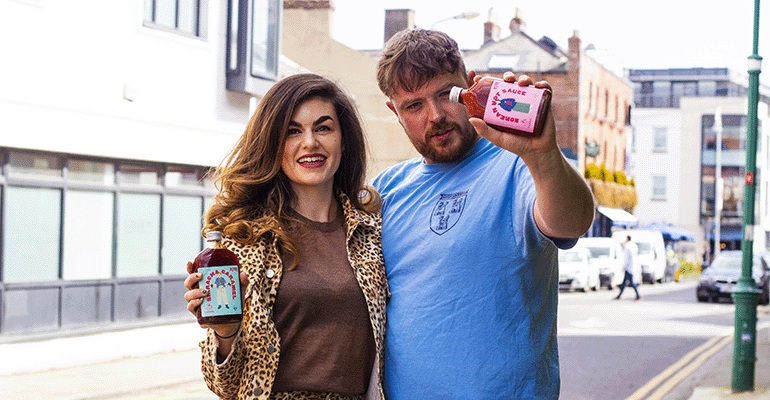
Chimac’s fusion sauces bring Korean flavours to Europe
25 Aug 2026
Irish sauce brand Chimac is tapping into Korea’s culinary traditions, bringing its flavours and products to European consumers who want a taste of K-food.
Read more
China beverages: Is herbal innovation the future?
20 Aug 2026
Herbal and botanical innovation in China's drinks market continues to grow, with ingredients like astragalus root, ginger, and ginseng in the spotlight – and focus shifting far beyond refreshment.
Read more