
Ingredients Categories
Finished Products
Finished Food Categories
- Bakery
- Beverages / Juices
- Cereal and grain products
- Confectionery
- Cooking Fats & Oils
- Dairy
- Egg products
- Fruits & Vegetables
- Infant & Baby food
- Meat, Poultry & Fish
- Nuts & Seeds products
- Other Finished Food Categories
- Pet Food
- Plant-based foods
- Prepared foods
- Sauces & Seasonings
- Sweet & Savoury Spreads
Specialised Finished Products
- Bee products
- Biotic products
- Dietary supplements
- Energy drinks
- Functional beverages
- Functional confectionery
- Functional food
- Functional powders
- Meal replacement products
- Nutricosmetics
- Other Specialised Finished Products
- Pet Dietary Supplements
- Pharma and OTC products
- Protein products
- Sugar replacers / Sweeteners
Health & Wellness Areas
Delivery Formats
Operations & Services
- 3D printing
- Analysis/ Testing
- Auditing & certifications
- Blending & mixing
- Bottling
- Certification
- Clinical trials
- Co-packing
- Coating
- Consulting
- Contract manufacturing
- Drying
- Electrospinning
- Encapsulating
- Enzymatic processing
- Extracting
- Extrusion
- Fat structuring
- Fermentation
- Filling
- Flavour development
- Freeze drying
- Granulating/ grinding/ milling / mixing
- High-pressure processing
- Labelling
- Other Operations & Services
- Packaging
- Packet filling
- Pasturising
- Quality assurance
- Saccharification
- Shear cell processing
- Spray drying
- Sterilisation
- Storage & Logistics
- Tabletting
- Toasting / roasting
- Ultra-high temperature processing
News
Pet food brands chase the GLP-1 trend with fibre and flavonoids
Tessa Wiles, Content Editor - Food 29 Jul 2026Omni and PetNutra are developing dog supplements around the GLP-1 pathway, using ingredients like fibre, resistant starch, and a citrus flavonoid.
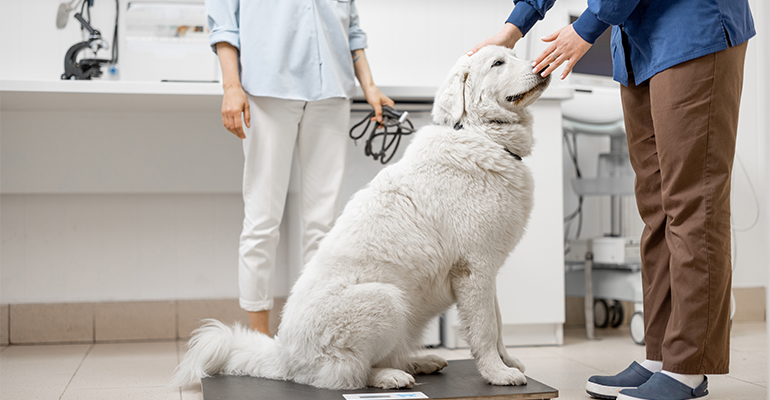
The GLP-1 weight loss boom has now landed in pet nutrition.
At a glance:
- The brands claim the ingredients in their supplements prompt a dog’s own GLP-1 hormone, as opposed to acting as a drug.
- Omni uses a fibre-and-biotic blend and Pet Nutra a lemon flavonoid, fermented in the gut.
- Independent vets say diet and portion control remain the proven route for weight loss in canines.
Brands Omni and PetNutra are just two examples of companies leaning into the trend. UK-based plant-based pet food company Omni’s LeanPaws line and US pet supplement company PetNutra’s G-Loop supplement are built around the glucagon-like peptide (GLP-1). This hormone slows digestion, regulates blood sugar, and is mimicked by weight-loss drugs like Ozempic and Wegovy.
However, unlike the medications, both brands sell their products as daily foods and make no drug claims.
That is not to say the medication route for pets isn’t being explored. The US-based veterinary company Okava, for example, announced in December 2025 that it had dosed the first cat with “OKV-119, an investigational, first-in-class, ultra-long-acting GLP-1 implant being developed specifically for weight management in cats”.
Ingredients Network spoke exclusively with Omni and PetNutra to understand what the ingredients in their products actually do and whether the GLP-1 label holds up.
Do the products interact with the GLP-1 hormone or is it just fibre?
The question around “natural GLP-1” products is whether they interact with the GLP-1 hormone or use fibre to drive satiety.
Guy Sandelowsky, a practising vet and co-founder of Omni, did not make the former claim outright.
“It's likely a combination of both,” he said. “What we've done is combine ingredients that are designed to help dogs feel fuller for longer by supporting their natural appetite regulation. Some of those ingredients may influence the body's own GLP 1 response, while others work through more traditional fibre-driven satiety.”
When asked about the specific ingredients responsible, Sandelowsky explained that it’s the combination of ingredients that matters.
“The resistant starches help with satiety, the probiotics support the gut microbiome, and the amino acids all have their own role. We formulated LeanPaws so the ingredients work together rather than relying on one so-called miracle ingredient,” he said.
LeanPaws was set to launch in early 2026; however, as of July 2026, it is yet to reach market.
Eriomin: a patented, standardised lemon flavonoid
Pet Nutra is taking a different approach. G-Loop, its supplement is claimed to offer GLP-1 longevity support for dogs and is built around the compound Eriomin – a patented, standardised lemon flavonoid.
Shanan Carney, chief brand officer at Pet Nutra, said it acts on the GLP-1 hormone indirectly.
“Eriomin doesn’t act directly on GLP-1, which surprises people. The flavonoid is fermented by gut bacteria into short-chain fatty acids, which signal L-cells in the gut lining to release GLP-1,” she said.
Carney explained that a blend of pre-, pro-, and postbiotics built around the flavonoid drives that fermentation.
“Prebiotics feed the bacteria that ferment. The probiotics supply and reinforce those bacterial populations. The postbiotics are the short-chain fatty acids and related metabolites themselves, the actual messengers, and they help hold the gut barrier together where much of this signaling happens. Eriomin is the substrate that all of it converts into a GLP-1 signal,” she said.
“That loop inspired our product's name, and it’s why we don’t think a flavonoid on its own tells the whole story,” she added.
The evidence gap: No published canine GLP-1-related trials
Understanding how the ingredients might work is one thing. Proof that they work, and in dogs, is another. Both Omni and PetNutra were candid about the limits.
Research has been conducted on Eriomin’s role in GLP-1 release, and human evidence suggests a connection. A randomised, placebo-controlled trial in people with prediabetes who received a 200mg daily dose of Eriomin, for example, increased active GLP-1 by around 17-22% and lowered fasting glucose.
“The core of the answer is that dogs and humans share the same biology here,” Carney said. “The pathway through which Eriomin acts is conserved across mammals. Dogs have the same intestinal L-cells that release GLP-1, the same short-chain fatty acid signaling that triggers its release, and the same incretin system we do. So, this isn’t a leap from one species to another. It’s the same mechanism running in a mammalian body that’s built to run it. That’s why we’re confident enough to formulate for it.”
To date, however, Eriomin has not been measured in dogs.
“What we don't have yet is a published canine trial. We won't present human numbers as though they were dog numbers," Carney said.
“Dedicated trials are currently being designed to measure this specifically in dogs. Until that work is citable, we describe G-Loop as supporting a dog’s own GLP-1 signaling through a mechanism known to exist in the species, with very visible, substantive benefits seen by pet parents shortly after their pet starts on the product,” she added.
Omni is currently in the process of generating and publishing its own evidence. A placebo-controlled trial it has publicised found that 77% of overweight dogs on LeanPaws lost some weight, but the underlying paper, run with the University of Nottingham, as of July 2026 has not been peer reviewed.
“We don't want to jump the gun by sharing too much data,” Sandelowsky said. “We'll be releasing more details once that's complete, but it's an important step because we wanted additional, independent scientific validation.”
Why the brands avoid 'Ozempic for dogs' weight-loss claims
Neither brand markets its product as a weight-loss cure.
UK regulators have already banned several food supplement ads that referenced prescription GLP-1 weight loss drugs or made unapproved health claims, and a drug comparison may invite that kind of scrutiny.
“LeanPaws isn't a drug, and it isn't trying to be Ozempic for dogs,” Sandelowsky said. “If we talk about GLP-1, it's only in the context of understanding the body's own natural appetite signals, not because we're claiming to be a pharmaceutical product.”
Carney framed potential weight change as a by-product of the pathway rather than the pitch.
“Will some dogs shed weight? Yes. But that's the outcome, not the promise,” she said. G-Loop, she added, is “a daily food topper in a convenient stick pack, not a drug”.
No supplement makes up for how a dog is fed, she explained. “If a dog is getting offered treats all day, no supplement overrides that,” she said. “The pet parent has to play their part.”
Do dog weight-loss supplements work without diet changes?
No outside vet was approached or assessed LeanPaws and G-Loop for this coverage.
Rachel Shaw, chief executive of Animal Welfare Abu Dhabi, challenged the metabolic premise the category leans on. Pet obesity “is almost never a metabolic issue; it's a management one”, she told the National News publication, and without controlling calories, supplements and drugs alike "offer very little benefit".
Ernie Ward, founder of the US-based Association for Pet Obesity Prevention, also spoke to the National News, and put method above marketing. Effective weight loss, he added, “starts with precise feeding that focuses on nutrients and calorie content rather than marketing claims and trends”.

Get more of our news on Google
Set Ingredients Network as a 'Preferred Source' to get quicker access to the news you value.
Related news

Do the US dietary guidelines put UPFs under pressure?
10 Sep 2026
Will the US dietary guidelines change the way Americans eat, swapping ultra-processed foods for whole foods? We asked Dr Barry Popkin, renowned nutrition and obesity researcher.
Read more
Food fraud costs UK economy £2bn each year
9 Sep 2026
Food fraud is costing the UK economy up to £2 billion (€2.3 billion) every year although the food sector is more “resilient” than others, according to a recent study.
Read more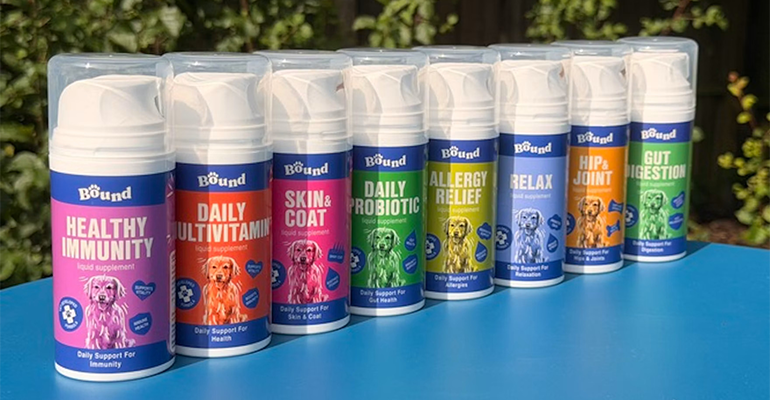
Pump-based liquid pet supplement focuses on health and convenience
8 Sep 2026
Prefera Pet Food uses a plastic pump-based packaging to make administering its liquid supplements for cats and dogs easier, healthier, and more accurate.
Read more
Health and wellness engagement matures across Middle East and Africa
4 Sep 2026
Many consumers in the Middle East and Africa are now proactively engaged in health and wellness, looking to integrate better habits and products into their daily lives, say experts.
Read more
Kellogg accelerates work to remove artificial colours from all US cereals
3 Sep 2026
WK Kellogg has announced an accelerated timeline to eliminate all artificial colours and the chemical preservative, BHT, across its full US portfolio of cereals and cereal packaging.
Read more
Royal Canin launches ‘freshly-cooked’ therapeutic dog food
1 Sep 2026
Mars-owned Royal Canin has moved into the therapeutic diet sector with the launch of its Fresh Veterinary Diets range for dogs with health conditions. We asked a veterinary nutritionist for her opinion.
Read more
‘Urgent gaps’ in achieving 2030 food system goals
27 Aug 2026
Global food systems are failing to meet 2030 targets across indicators including health, environment, and resilience, according to a report co-authored by the Food and Agriculture Organisation (FAO).
Read more
Seven-Eleven uses microbial testing tech to extend katsudon shelf life
26 Aug 2026
Japanese retail company Seven-Eleven has improved its factory’s microbial environment to keep comfort-food staple, katsudon, fresher for longer.
Read more
Chimac’s fusion sauces bring Korean flavours to Europe
25 Aug 2026
Irish sauce brand Chimac is tapping into Korea’s culinary traditions, bringing its flavours and products to European consumers who want a taste of K-food.
Read more
China beverages: Is herbal innovation the future?
20 Aug 2026
Herbal and botanical innovation in China's drinks market continues to grow, with ingredients like astragalus root, ginger, and ginseng in the spotlight – and focus shifting far beyond refreshment.
Read more