
Ingredients Categories
Finished Products
Finished Food Categories
- Bakery
- Beverages / Juices
- Cereal and grain products
- Confectionery
- Cooking Fats & Oils
- Dairy
- Egg products
- Fruits & Vegetables
- Infant & Baby food
- Meat, Poultry & Fish
- Nuts & Seeds products
- Other Finished Food Categories
- Pet Food
- Plant-based foods
- Prepared foods
- Sauces & Seasonings
- Sweet & Savoury Spreads
Specialised Finished Products
- Bee products
- Biotic products
- Dietary supplements
- Energy drinks
- Functional beverages
- Functional confectionery
- Functional food
- Functional powders
- Meal replacement products
- Nutricosmetics
- Other Specialised Finished Products
- Pet Dietary Supplements
- Pharma and OTC products
- Protein products
- Sugar replacers / Sweeteners
Health & Wellness Areas
Delivery Formats
Operations & Services
- 3D printing
- Analysis/ Testing
- Auditing & certifications
- Blending & mixing
- Bottling
- Certification
- Clinical trials
- Co-packing
- Coating
- Consulting
- Contract manufacturing
- Drying
- Electrospinning
- Encapsulating
- Enzymatic processing
- Extracting
- Extrusion
- Fat structuring
- Fermentation
- Filling
- Flavour development
- Freeze drying
- Granulating/ grinding/ milling / mixing
- High-pressure processing
- Labelling
- Other Operations & Services
- Packaging
- Packet filling
- Pasturising
- Quality assurance
- Saccharification
- Shear cell processing
- Spray drying
- Sterilisation
- Storage & Logistics
- Tabletting
- Toasting / roasting
- Ultra-high temperature processing
News
Researchers call for policies to prevent microplastics in supply chain
Natasha Spencer-Jolliffe, Freelance Journalist 5 Aug 2025Food packaging researchers aiming to understand how microplastics enter our food and beverages are calling for policies to address their presence.
In a new study published in the npj journal Science of Food, researchers explore food contact articles as a source of microplastics and nanoplastics (MNPs). The researchers state that while it is acknowledged that MNPs in foodstuffs lead to human exposure and are connected to environmental contamination, how plastics contribute to MNP migration in food contact articles (FCAs) is less understood.
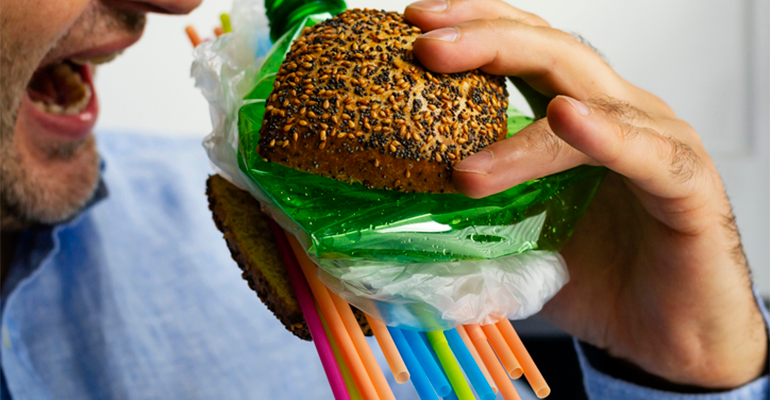
While the term ‘microplastics’ currently lacks a universally accepted definition, it refers to a mixture of materials ranging between 0.1 and 5000 micrometres (μm), formed from pieces of that size or that have broken apart from larger plastic objects. A 2025 study identifies that in 2017 alone, between 4.8 million and 12.7 million tonnes of plastics entered global waters.
Microplastic presence in food and beverages
The study’s researchers have detected MNPs in a variety of foods and beverages (F&B), with environmental contamination identified as one source responsible for their presence.
“However, plastic food packaging and other plastic food contact articles (FCAs), such as processing equipment and kitchen utensils, are a much more obvious source,” Lisa Zimmermann, scientific communication officer at the Food Packaging Forum Foundation, told Ingredients Network.
Researchers set out to systematically map the scientific evidence of MNPs present in foodstuffs originating from FCAs. “Our study demonstrates that the normal and intended use of plastic FCAs leads to the release of MNPs into foodstuffs,” said Zimmermann. Plastic food packaging and processing equipment are likely relevant sources of human exposure to MNPs.
Previous research has typically observed certain types of FCAs, such as bottles and tea bags, as well as polymers like PET and PP. In this study, the researchers sought to identify the specific FCAs and polymer types that are often responsible for releasing plastic particles.
“Our study further revealed a scarcity of highly reliable data on the topic,” Zimmermann said. Mostly, studies are not designed to elucidate the origins of MNPs in F&Bs. “This hampers evidence-based mitigation,” Zimmermann added.
In their study, the researchers found that a chemical’s migration level (the amount that chemicals can be absorbed into a packaging material through food) can increase with an FCA’s growing use, washing, and age.
Of the 103 studies included in the researchers’ analysis, 102 reported the presence of MNPs in food, beverages or food simulants they investigated. “This demonstrates that these small plastic particles are present across a wide range of foodstuffs,” said Zimmermann.
Microplastic levels found in F&Bs varied between the investigated samples. The type of food packaging, processing line, and storage all influence MNP concentrations in food and require further in-depth investigation through highly reliable studies.
Do UPFs amplify the problem?
The rise of ultra-processed foods (UPFs) in the global food supply chain raises questions about the role food processing equipment plays in the prevalence of MNPs within FCAs. A 2025 research study into UPF consumption in the US shows that the food group now accounts for more than 50% of the population’s diet. Similarly, in Europe, researchers identified that UPFs constitute up to 44% of consumers’ intake.
With the increasing body of scientific understanding surrounding UPFs, evidence indicates that UPFs contain considerably more microplastics than minimally processed products, with plastic food processing equipment being a possible cause. One study exploring microplastic contamination in proteins suggests that this is primarily due to the higher number of food processing steps, which increases the contact time with plastic food processing equipment and subsequently the likelihood of MNP migration.
Policies’ role in combating MNPs risk
Robust F&B product testing ahead of market entry could address the presence of MNPs in food originating from food packaging.
“Regulations could mandate MNP migration testing prior to placing plastic food contact articles (FCAs) on the market,” Zimmermann said. The study’s researchers stated that this could mean, for example, that only products from manufacturers that have demonstrated no MNP release would be permitted for sale, making them available to consumers.
“Such requirements for MNPs have not yet been established, highlighting the need for further policy development in this area,” Zimmermann added.

Get more of our news on Google
Set Ingredients Network as a 'Preferred Source' to get quicker access to the news you value.
Related news

Do the US dietary guidelines put UPFs under pressure?
10 Sep 2026
Will the US dietary guidelines change the way Americans eat, swapping ultra-processed foods for whole foods? We asked Dr Barry Popkin, renowned nutrition and obesity researcher.
Read more
Food fraud costs UK economy £2bn each year
9 Sep 2026
Food fraud is costing the UK economy up to £2 billion (€2.3 billion) every year although the food sector is more “resilient” than others, according to a recent study.
Read more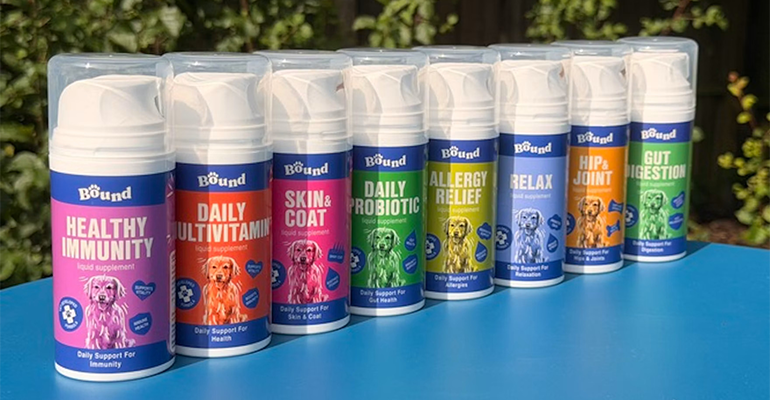
Pump-based liquid pet supplement focuses on health and convenience
8 Sep 2026
Prefera Pet Food uses a plastic pump-based packaging to make administering its liquid supplements for cats and dogs easier, healthier, and more accurate.
Read more
Health and wellness engagement matures across Middle East and Africa
4 Sep 2026
Many consumers in the Middle East and Africa are now proactively engaged in health and wellness, looking to integrate better habits and products into their daily lives, say experts.
Read more
Kellogg accelerates work to remove artificial colours from all US cereals
3 Sep 2026
WK Kellogg has announced an accelerated timeline to eliminate all artificial colours and the chemical preservative, BHT, across its full US portfolio of cereals and cereal packaging.
Read more
Royal Canin launches ‘freshly-cooked’ therapeutic dog food
1 Sep 2026
Mars-owned Royal Canin has moved into the therapeutic diet sector with the launch of its Fresh Veterinary Diets range for dogs with health conditions. We asked a veterinary nutritionist for her opinion.
Read more
‘Urgent gaps’ in achieving 2030 food system goals
27 Aug 2026
Global food systems are failing to meet 2030 targets across indicators including health, environment, and resilience, according to a report co-authored by the Food and Agriculture Organisation (FAO).
Read more
Seven-Eleven uses microbial testing tech to extend katsudon shelf life
26 Aug 2026
Japanese retail company Seven-Eleven has improved its factory’s microbial environment to keep comfort-food staple, katsudon, fresher for longer.
Read more
Chimac’s fusion sauces bring Korean flavours to Europe
25 Aug 2026
Irish sauce brand Chimac is tapping into Korea’s culinary traditions, bringing its flavours and products to European consumers who want a taste of K-food.
Read more
China beverages: Is herbal innovation the future?
20 Aug 2026
Herbal and botanical innovation in China's drinks market continues to grow, with ingredients like astragalus root, ginger, and ginseng in the spotlight – and focus shifting far beyond refreshment.
Read more