
Ingredients Categories
Finished Products
Finished Food Categories
- Bakery
- Beverages / Juices
- Cereal and grain products
- Confectionery
- Cooking Fats & Oils
- Dairy
- Egg products
- Fruits & Vegetables
- Infant & Baby food
- Meat, Poultry & Fish
- Nuts & Seeds products
- Other Finished Food Categories
- Pet Food
- Plant-based foods
- Prepared foods
- Sauces & Seasonings
- Sweet & Savoury Spreads
Specialised Finished Products
- Bee products
- Biotic products
- Dietary supplements
- Energy drinks
- Functional beverages
- Functional confectionery
- Functional food
- Functional powders
- Meal replacement products
- Nutricosmetics
- Other Specialised Finished Products
- Pet Dietary Supplements
- Pharma and OTC products
- Protein products
- Sugar replacers / Sweeteners
Health & Wellness Areas
Delivery Formats
Operations & Services
- 3D printing
- Analysis/ Testing
- Auditing & certifications
- Blending & mixing
- Bottling
- Certification
- Clinical trials
- Co-packing
- Coating
- Consulting
- Contract manufacturing
- Drying
- Electrospinning
- Encapsulating
- Enzymatic processing
- Extracting
- Extrusion
- Fat structuring
- Fermentation
- Filling
- Flavour development
- Freeze drying
- Granulating/ grinding/ milling / mixing
- High-pressure processing
- Labelling
- Other Operations & Services
- Packaging
- Packet filling
- Pasturising
- Quality assurance
- Saccharification
- Shear cell processing
- Spray drying
- Sterilisation
- Storage & Logistics
- Tabletting
- Toasting / roasting
- Ultra-high temperature processing
News
The EU’s action plan to remain competitive
Natasha Spencer-Jolliffe, Freelance Journalist 18 Oct 2024The EU has three main areas for action if it is to increase competitiveness in a global economy over the next five years, according to the Draghi Report. We look at what its findings mean for the food manufacturing and retail industry.
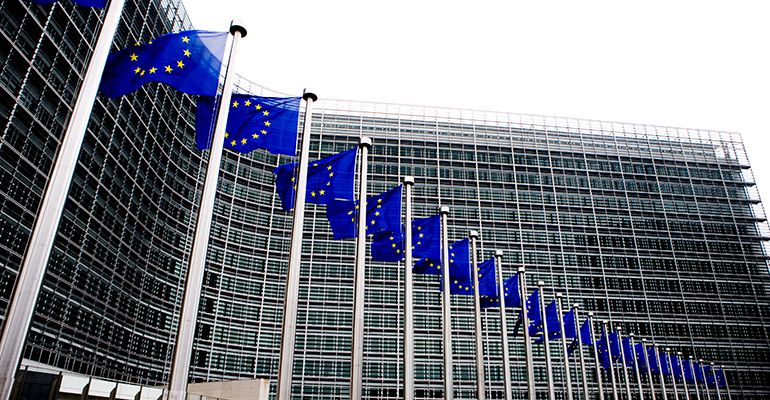
The EU Draghi Report, published last month, looks at the future of European competitiveness, exploring the challenges experienced by the European sector and businesses in the single market. Its recommendations will direct the EU’s direction for the next five years.
Hailed as a landmark exploration of the EU market, the 400-page report urges immediate funds and reforms to salvage Europe’s economic health and bridge the market’s gap with other global giants, the US and China. According to the report, the minimum investment sum required for this economic boost is €750-800 billion.
The report was penned by Mario Draghi, former European Central Bank President and, according to the European Commission, one of Europe's great economic minds and outlines his personal vision on the future of European competitiveness.
Three key areas for action
The report identifies three main areas for action.
“The first is aiming at closing the innovation gap with the United States and China. EU companies spent around €270 billion less on R&D than their US counterparts in 2021, largely because we have a static industrial structure dominated by the same companies and technologies as decades ago,” said Draghi in an address to the EU at the launch of the report.”
The second area for action is a joint plan for decarbonisation and competitiveness. “If Europe’s ambitious climate targets are matched by a coherent plan to achieve them, decarbonisation will be an opportunity for Europe. But if we fail to coordinate our policies, there is a risk that it could run contrary to competitiveness – and ultimately be delayed or even rejected,” said Draghi.
The third area for action is increasing security and reducing dependencies on foreign raw materials.
So, what does this mean for the food industry?
Looking beyond the proposed multi-billion investment needed to tackle the EU’s competitiveness are reform areas and actions to push the needle. With these, the aim is that Europe can achieve sustainable growth and competitiveness.
Following the report’s release, decarbonisation, strategic economic security, innovation, energy independence and defence are all leading priorities on the EU agenda. Within the first 100 days of the new European Commission’s mandate, a new Clean Industrial Deal will be presented for competitive industries.
Retailers, wholesalers and manufacturers
Retailers and wholesalers comprise the largest service sector, accounting for 10% of the EU’s gross domestic product (GDP). They are the primary private employer in Europe, offering employment to 26 million Europeans.
EU food shoppers now benefit from numerous innovations that have become commonplace, including food safety apps, environmentally-considerate food, e-commerce and convenient delivery options.
“We welcome the clear focus on investment, the energy, sustainability and technological transition, better quality legislation and the single market,” says Christel Delberghe, director-general of EuroCommerce, the trade association representing Europe’s retailers and wholesalers. “But, any effective EU competitiveness strategy needs to look beyond manufacturing and recognise the contribution of services,” Delberghe added.
The Draghi report acknowledges that the sector surpasses the US in mid-technology industries. Retail and wholesale are important for Europe’s competitiveness and have the potential to contribute even more.
“Retailers and wholesalers provide huge potential to scale up green and digital innovation,” Delberghe said. “We must also look beyond our borders and support diversification of global supply chains that help us remain both resilient and globally competitive.”

Get more of our news on Google
Set Ingredients Network as a 'Preferred Source' to get quicker access to the news you value.
Related news

M&S launches own-brand pet food range
11 Sep 2026
UK retailer Marks & Spencer has launched its own-brand pet food line Paws & Pals – a well-timed and strategic move that will appeal to loyal shoppers, says a marketing expert.
Read more
Do the US dietary guidelines put UPFs under pressure?
10 Sep 2026
Will the US dietary guidelines change the way Americans eat, swapping ultra-processed foods for whole foods? We asked Dr Barry Popkin, renowned nutrition and obesity researcher.
Read more
Food fraud costs UK economy £2bn each year
9 Sep 2026
Food fraud is costing the UK economy up to £2 billion (€2.3 billion) every year although the food sector is more “resilient” than others, according to a recent study.
Read more
EU's ban on Brazilian meat expected to raise prices
7 Sep 2026
Around 25% of the EU’s imported chicken and beef comes from Brazil. From September, products that fail to meet the EU antimicrobial resistance rules will be banned.
Read more
Skimpflation: An ‘unfair’ and risky approach to keeping prices low
2 Sep 2026
Consumers see skimpflation – reducing the quality of ingredients due to rising costs – as more unfair than shrinkflation, making it a risky strategy according to recent research.
Read more
NielsenIQ’s EU barometer shows Britain leading in grocery inflation
31 Aug 2026
Britain was the only country to record grocery inflation above 2%, according to NielsenIQ data that compared Europe’s five biggest grocery markets from February to May 2026.
Read more
‘Urgent gaps’ in achieving 2030 food system goals
27 Aug 2026
Global food systems are failing to meet 2030 targets across indicators including health, environment, and resilience, according to a report co-authored by the Food and Agriculture Organisation (FAO).
Read more
Seven-Eleven uses microbial testing tech to extend katsudon shelf life
26 Aug 2026
Japanese retail company Seven-Eleven has improved its factory’s microbial environment to keep comfort-food staple, katsudon, fresher for longer.
Read more
Chimac’s fusion sauces bring Korean flavours to Europe
25 Aug 2026
Irish sauce brand Chimac is tapping into Korea’s culinary traditions, bringing its flavours and products to European consumers who want a taste of K-food.
Read more
Global demand for instant noodles continues to rise
24 Aug 2026
Global demand for instant noodles reached 124.21 billion servings last year, representing a 0.7% year-on-year increase – or 900 million extra servings.
Read more