
Ingredients Categories
Finished Products
Finished Food Categories
- Bakery
- Beverages / Juices
- Cereal and grain products
- Confectionery
- Cooking Fats & Oils
- Dairy
- Egg products
- Fruits & Vegetables
- Infant & Baby food
- Meat, Poultry & Fish
- Nuts & Seeds products
- Other Finished Food Categories
- Pet Food
- Plant-based foods
- Prepared foods
- Sauces & Seasonings
- Sweet & Savoury Spreads
Specialised Finished Products
- Bee products
- Biotic products
- Dietary supplements
- Energy drinks
- Functional beverages
- Functional confectionery
- Functional food
- Functional powders
- Meal replacement products
- Nutricosmetics
- Other Specialised Finished Products
- Pet Dietary Supplements
- Pharma and OTC products
- Protein products
- Sugar replacers / Sweeteners
Health & Wellness Areas
Delivery Formats
Operations & Services
- 3D printing
- Analysis/ Testing
- Auditing & certifications
- Blending & mixing
- Bottling
- Certification
- Clinical trials
- Co-packing
- Coating
- Consulting
- Contract manufacturing
- Drying
- Electrospinning
- Encapsulating
- Enzymatic processing
- Extracting
- Extrusion
- Fat structuring
- Fermentation
- Filling
- Flavour development
- Freeze drying
- Granulating/ grinding/ milling / mixing
- High-pressure processing
- Labelling
- Other Operations & Services
- Packaging
- Packet filling
- Pasturising
- Quality assurance
- Saccharification
- Shear cell processing
- Spray drying
- Sterilisation
- Storage & Logistics
- Tabletting
- Toasting / roasting
- Ultra-high temperature processing
News
Trendspotting for 2024: Put the ‘plant’ back in ‘plant-based’
Beth Newhart, Freelance Journalist 24 Nov 2023
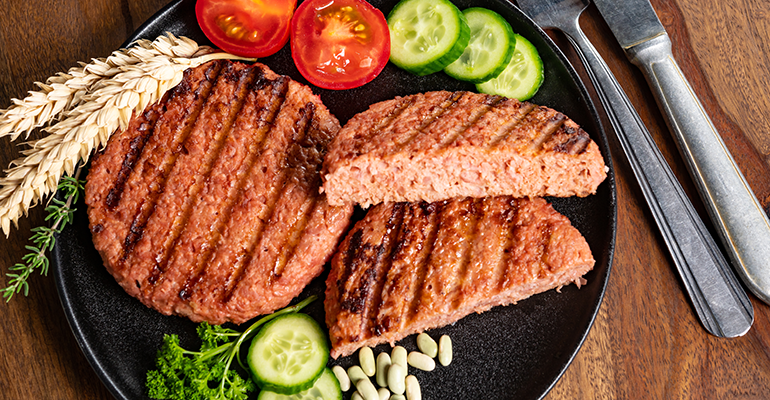
Consumers will gravitate to brands that are putting the “plant” back in “plant-based” with fewer ingredients overall and more vegetables and protein content, according to 2024 trend predictions from Whole Foods Market.
Plant-based has been full of innovations on the supermarket shelves and at restaurants, with vegan options for everything, including chicken, beef, fish and even pet food. But not all of it is resonating with customers and veggies are poised to make a comeback, Whole Foods said.
The Amazon-owned American grocery store chain specialises in organic and health-focused products, and has been a major part of the health and wellness movement in the US. Its annual trend predictions report said that today’s consumers want to bring the category back to basics with simpler labels and ingredients.
“We’re seeing new and emerging protein-forward products with mushrooms, walnuts, tempeh and legumes in place of complex meat alternatives,” Whole Foods said.
Juggling the needs of plant-based buyers
Along with its mainstream popularity, plant-based food has become a complicated category. Following a certain diet is not as strict as it once was, and consumers are a lot more open to trying new things. Brands are not marketing only to vegans and vegetarians, but rather to the modern “flexitarian” customer.
That means brands in the plant-based space need to cater to many different demographics and pay close attention to what their customers want. Recent reports on the subject have demonstrated that consumers are looking for more plant-based products that resemble “the real thing” in taste, texture and appearance.
At the same time, consumers are wary of plant-based meat products that contain too many genetically modified ingredients, which help make it possible to mimic animal by-products.
It is a tough challenge for brands to balance these varying consumer expectations. And because those choosing to eat less meat and animal products are typically doing so for personal health benefits and benefits to the environment, they have high standards across the board. They often want to see smaller nutrition labels with recognizable, natural and quality ingredients.
 © AdobeStock/Elena
“Even plant-based milk alternatives are participating, with some brands simplifying labels to just two ingredients — perfect for the vegetarian purist,” Whole Foods said.
Other trends for 2024: Conservation, regeneration, and women’s health
The popularity of plant-based is sure to continue growing and evolving over the next several years, as are consumer food choices influenced by environmental concern. In its trend report, Whole Foods discussed the sustainable practice of finding ways to use every part of a crop, like with cacao beans.
Cacao pulp is usually a wasted by-product in the process of making chocolate, but it can be used to make jams, jellies and even fruit powder as a sugar alternative. Brands are also using water from fruit by-products, which would otherwise go to waste, to conserve water and promote regenerative agriculture.
“And it doesn’t stop at conservation — non-governmental organisations are showing their support of farmed oysters, leveraging aquaculture to filter water and help restore coastal ecosystems,” Whole Foods said.
“Lifestyle brands are also pushing water-conscious products like dry shampoos, shampoo bars and laundry detergent sheets.”
Other trend predictions for the new year include buckwheat as both a superfood ingredient and a cover crop for soil health, spicy drink innovations from international pepper varieties like scorpion peppers, and more products to support women’s health, like energy bars and snacks specially formulated for cycle health.
“Our annual food trends predictions list is a way for us to pull back the curtain for customers and share insight into what our buyers and culinary experts are keeping on their radar for the upcoming year,” said Cathy Strange, ambassador of food culture at Whole Foods Market.
“From specific product ingredients and flavour trends, to growing movements in the food industry, we can’t wait to see these trends gain momentum in the year ahead.”

Get more of our news on Google
Set Ingredients Network as a 'Preferred Source' to get quicker access to the news you value.
Related news

Do the US dietary guidelines put UPFs under pressure?
10 Sep 2026
Will the US dietary guidelines change the way Americans eat, swapping ultra-processed foods for whole foods? We asked Dr Barry Popkin, renowned nutrition and obesity researcher.
Read more
Food fraud costs UK economy £2bn each year
9 Sep 2026
Food fraud is costing the UK economy up to £2 billion (€2.3 billion) every year although the food sector is more “resilient” than others, according to a recent study.
Read more
Kellogg accelerates work to remove artificial colours from all US cereals
3 Sep 2026
WK Kellogg has announced an accelerated timeline to eliminate all artificial colours and the chemical preservative, BHT, across its full US portfolio of cereals and cereal packaging.
Read more
Skimpflation: An ‘unfair’ and risky approach to keeping prices low
2 Sep 2026
Consumers see skimpflation – reducing the quality of ingredients due to rising costs – as more unfair than shrinkflation, making it a risky strategy according to recent research.
Read more
‘Urgent gaps’ in achieving 2030 food system goals
27 Aug 2026
Global food systems are failing to meet 2030 targets across indicators including health, environment, and resilience, according to a report co-authored by the Food and Agriculture Organisation (FAO).
Read more
Seven-Eleven uses microbial testing tech to extend katsudon shelf life
26 Aug 2026
Japanese retail company Seven-Eleven has improved its factory’s microbial environment to keep comfort-food staple, katsudon, fresher for longer.
Read more
Chimac’s fusion sauces bring Korean flavours to Europe
25 Aug 2026
Irish sauce brand Chimac is tapping into Korea’s culinary traditions, bringing its flavours and products to European consumers who want a taste of K-food.
Read more
Global demand for instant noodles continues to rise
24 Aug 2026
Global demand for instant noodles reached 124.21 billion servings last year, representing a 0.7% year-on-year increase – or 900 million extra servings.
Read more
China beverages: Is herbal innovation the future?
20 Aug 2026
Herbal and botanical innovation in China's drinks market continues to grow, with ingredients like astragalus root, ginger, and ginseng in the spotlight – and focus shifting far beyond refreshment.
Read more
Popular barbecue staples experience sharp price increases
19 Aug 2026
The typical cost of US shoppers’ barbecue baskets has risen by 12% over the past year – the fastest annual rise in a decade, figures from The Economist show.
Read more