
Ingredients Categories
Finished Products
Finished Food Categories
- Bakery
- Beverages / Juices
- Cereal and grain products
- Confectionery
- Cooking Fats & Oils
- Dairy
- Egg products
- Fruits & Vegetables
- Infant & Baby food
- Meat, Poultry & Fish
- Nuts & Seeds products
- Other Finished Food Categories
- Pet Food
- Plant-based foods
- Prepared foods
- Sauces & Seasonings
- Sweet & Savoury Spreads
Specialised Finished Products
- Bee products
- Biotic products
- Dietary supplements
- Energy drinks
- Functional beverages
- Functional confectionery
- Functional food
- Functional powders
- Meal replacement products
- Nutricosmetics
- Other Specialised Finished Products
- Pet Dietary Supplements
- Pharma and OTC products
- Protein products
- Sugar replacers / Sweeteners
Health & Wellness Areas
Delivery Formats
Operations & Services
- 3D printing
- Analysis/ Testing
- Auditing & certifications
- Blending & mixing
- Bottling
- Certification
- Clinical trials
- Co-packing
- Coating
- Consulting
- Contract manufacturing
- Drying
- Electrospinning
- Encapsulating
- Enzymatic processing
- Extracting
- Extrusion
- Fat structuring
- Fermentation
- Filling
- Flavour development
- Freeze drying
- Granulating/ grinding/ milling / mixing
- High-pressure processing
- Labelling
- Other Operations & Services
- Packaging
- Packet filling
- Pasturising
- Quality assurance
- Saccharification
- Shear cell processing
- Spray drying
- Sterilisation
- Storage & Logistics
- Tabletting
- Toasting / roasting
- Ultra-high temperature processing
News
Unilever and Perfect Day’s animal-free dairy dessert: Is precision fermentation the future of dairy?
Tessa Wiles, Content Editor - Food 6 Mar 2024Perfect Day, a precision fermentation dairy supplier, has partnered with Unilever's Breyers, a brand of ice cream and frozen dairy desserts, to launch Breyers lactose-free chocolate frozen dessert.
The frozen dessert, made with Perfect Day's precision fermented whey protein, is just one of many products popping up in the US market in recent years. From startups to major brands, precision fermentation is increasingly used to create animal-free dairy products, and while the process may be more sustainable than conventional animal agriculture, there are challenges in bringing this technology mainstream.
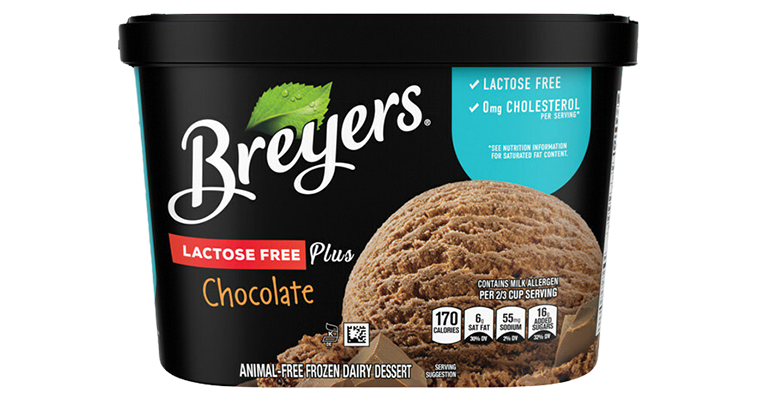
The frozen dessert became available in February, in a range of retailers across the US, such as H-E-B, Kroger, Walmart, and Target. As of yet, Perfect Day’s precision fermentation whey protein has not secured approval under the EU Novel Foods Regulation and is therefore not available in the EU.
Major brands are tapping into the growing precision fermentation market
TM Narayan, Perfect Day's chief executive officer, discussing the recent launch, said: "We're inspired to see that more companies are turning to precision fermentation as a no compromise option to continue to maintain their leadership position as consumer demands evolve for the future of our planet."
Perfect Day began as a food technology startup in 2014, quickly pivoting its focus from trying to launch its own B2C products to selling B2B milk proteins that could be used in the supply chains of multinational food companies.
Unilever joins a growing list of major brands using Perfect Day’s whey protein, ProFerm, in their products. In 2022, Mars Wrigley introduced CO2COA, a chocolate bar featuring Rainforest Alliance Certified cocoa and eco-friendly paper-based packaging. Nestlé also ventured into the animal-free dairy market with its Cowabunga range of dairy beverages fortified with calcium and vitamin D. Additionally, Myprotein, an online sports nutrition brand, collaborated with Perfect Day to create Whey Forward, an animal-free whey protein powder.
Other companies are also experimenting with precision fermentation to create finished products. In 2024 Finnish food manufacturer Fazer and foodtech startup Solar Foods launched a limited-edition snack bar in Singapore, made using Solein, Solar Foods’ novel, carbon-fed microbial protein. The bar contains 2% Solein, which is a small inclusion rate, but gives the snack bar iron, a nutrient usually lacking in plant-based foods, Fazer said.
EU to invest €50 million to assist startups in scaleup
The launch coincides with a significant expansion of precision fermentation in the food and beverage industry. In February 2024, the Precision Fermentation Alliance (PFA) and Food Fermentation Europe (FFE) announced a refined definition of precision fermentation aimed at helping consumers, industry regulators, and stakeholders distinguish it from other fermentation-based technologies.
The EU also revealed plans to invest €50 million in 2024 to assist startups in scaling up the production of alternative proteins, including precision fermentation technologies. This investment, part of the European Innovation Council’s Work Programme 2024, aims to enhance the sustainability, efficiency, and resilience of the European supply chain by supporting small businesses in the alternative protein sector.
Consumer scepticism may be a barrier to precision fermentation adoption
The launch of Breyers frozen dessert is, however, not without criticism. Julian Mellentin, director of New Nutrition Business, a food and beverage consultancy, expressed concern over the product, commenting on a LinkedIn post about the recent launch: “And the next consumer "free-from" preference after all the other "free-froms" of the past 25 years will become "free-from artificial protein."
Scepticism and wider concerns about the potential consumer backlash against precision fermentation are also mounting. Emma Schofield, associate director of global food science at Mintel, while presenting at Fi Europe 2023, expressed concern about aligning the environmental benefits of the technology with consumer preferences and cost: "Just because something is sustainable, if it's four times the price and doesn't taste as good, for the mass market, that might not be enough."
A study conducted by the University of Saskatchewan and Formo, a precision fermentation company specialising in animal-free cheese, investigated consumer demand for animal-free dairy cheese in the UK and found similar viewpoints. Researchers indicated that if priced competitively with conventional dairy cheese, there was a potential market. However, consumers were unwilling to pay a substantial premium for animal-free options, posing a challenge to widespread adoption.
On the other hand, other research suggests that people are open to precision fermentation products, but it all lies in consumer education and how these products are framed in the market. One study exploring consumer perceptions of animal-free dairy produced with precision fermentation showed that participants labelled “early adopters” – characterised by their generally positive attitude toward trying new foods – shared a consensus of “cautious openness”. Key considerations included safety, regulatory standards, health and climate impact, taste, and price. Another study found that framing the technology as natural, enhancing information supporting its use, and highlighting its similarity to traditional fermentation positively influenced consumer perceptions and intention to purchase.

Get more of our news on Google
Set Ingredients Network as a 'Preferred Source' to get quicker access to the news you value.
Related news

Do the US dietary guidelines put UPFs under pressure?
10 Sep 2026
Will the US dietary guidelines change the way Americans eat, swapping ultra-processed foods for whole foods? We asked Dr Barry Popkin, renowned nutrition and obesity researcher.
Read more
Food fraud costs UK economy £2bn each year
9 Sep 2026
Food fraud is costing the UK economy up to £2 billion (€2.3 billion) every year although the food sector is more “resilient” than others, according to a recent study.
Read more
Kellogg accelerates work to remove artificial colours from all US cereals
3 Sep 2026
WK Kellogg has announced an accelerated timeline to eliminate all artificial colours and the chemical preservative, BHT, across its full US portfolio of cereals and cereal packaging.
Read more
Skimpflation: An ‘unfair’ and risky approach to keeping prices low
2 Sep 2026
Consumers see skimpflation – reducing the quality of ingredients due to rising costs – as more unfair than shrinkflation, making it a risky strategy according to recent research.
Read more
‘Urgent gaps’ in achieving 2030 food system goals
27 Aug 2026
Global food systems are failing to meet 2030 targets across indicators including health, environment, and resilience, according to a report co-authored by the Food and Agriculture Organisation (FAO).
Read more
Popular barbecue staples experience sharp price increases
19 Aug 2026
The typical cost of US shoppers’ barbecue baskets has risen by 12% over the past year – the fastest annual rise in a decade, figures from The Economist show.
Read more
Savoury protein snacks shake up the on-the-go market
10 Aug 2026
Sweet flavours have dominated the high-protein snack category but savoury snacks, such as cheese bars and meat sticks, can appeal to health-conscious consumers.
Read more
Digital twin technology gains ground in food manufacturing
6 Aug 2026
Food and beverage companies are increasingly turning to digital twins to optimise and automate manufacturing processes, but opportunities stretch far beyond this, say experts.
Read more
Nestlé invests in regeneratively farmed wheat for KitKat
5 Aug 2026
Nestlé will pay a premium for Wildfarmed’s regeneratively farmed wheat but the CPG remains reticent to promote the move on packs of its KitKat bars.
Read more
Codex sets global thresholds for ‘may contain’ labels
3 Aug 2026
Codex Alimentarius has adopted its first global guidance on when to use “may contain” allergen warnings, setting thresholds intended to stop the label being used as blanket legal cover.
Read more