
Ingredients Categories
Finished Products
Finished Food Categories
- Bakery
- Beverages / Juices
- Cereal and grain products
- Confectionery
- Cooking Fats & Oils
- Dairy
- Egg products
- Fruits & Vegetables
- Infant & Baby food
- Meat, Poultry & Fish
- Nuts & Seeds products
- Other Finished Food Categories
- Pet Food
- Plant-based foods
- Prepared foods
- Sauces & Seasonings
- Sweet & Savoury Spreads
Specialised Finished Products
- Bee products
- Biotic products
- Dietary supplements
- Energy drinks
- Functional beverages
- Functional confectionery
- Functional food
- Functional powders
- Meal replacement products
- Nutricosmetics
- Other Specialised Finished Products
- Pet Dietary Supplements
- Pharma and OTC products
- Protein products
- Sugar replacers / Sweeteners
Health & Wellness Areas
Delivery Formats
Operations & Services
- 3D printing
- Analysis/ Testing
- Auditing & certifications
- Blending & mixing
- Bottling
- Certification
- Clinical trials
- Co-packing
- Coating
- Consulting
- Contract manufacturing
- Drying
- Electrospinning
- Encapsulating
- Enzymatic processing
- Extracting
- Extrusion
- Fat structuring
- Fermentation
- Filling
- Flavour development
- Freeze drying
- Granulating/ grinding/ milling / mixing
- High-pressure processing
- Labelling
- Other Operations & Services
- Packaging
- Packet filling
- Pasturising
- Quality assurance
- Saccharification
- Shear cell processing
- Spray drying
- Sterilisation
- Storage & Logistics
- Tabletting
- Toasting / roasting
- Ultra-high temperature processing
News
USDA regulates salmonella in chicken product
Natasha Spencer-Jolliffe, Freelance Journalist 27 May 2024Raw breaded stuffed chicken found with salmonella can no longer be sold in the US, with similar policies on more chicken items expected to follow.
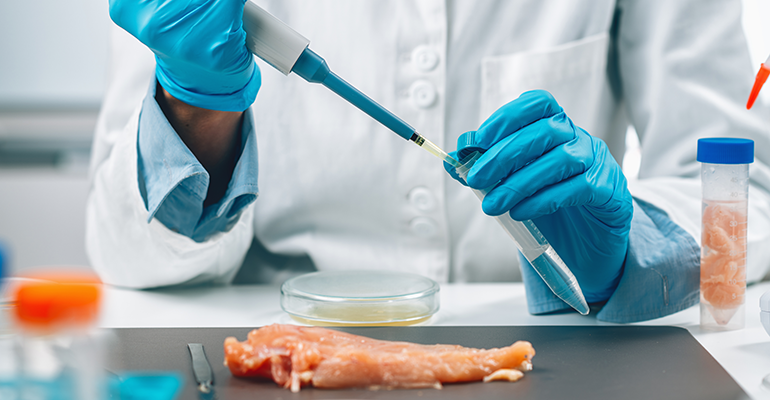
The US Department of Agriculture (USDA) has finalised its policy on salmonella in raw breaded stuffed chicken products, which it says is designed to protect consumers from the bacteria.
“USDA is at long last taking a first step toward declaring salmonella an adulterant on poultry products,” said Marion Nestle, molecular biologist, nutritionist, and founder of the Food Politics blog, in a post on the recently finalised policy.
The executive department’s Food Safety and Inspection Service (FSIS) declared salmonella an adulterant in raw breaded stuffed chicken products when it exceed a specific threshold – determined as one colony-forming unit (CFU) per gram or higher – for salmonella contamination.
Following the policy ruling, raw breaded stuffed chicken shown to have more than one colony forming unit of salmonella cannot be sold in the US and is subject to recall. FSIS is working to decrease salmonella illnesses linked to raw poultry in the US. The agency plans to tackle salmonella contamination in additional raw poultry products in 2024.
A US regulatory first
For the first time, the USDA has designated salmonella as an adulterant in raw poultry, similar to how specific strains of E. coli are considered contaminants prevented from entering raw ground beef sold in supermarkets.
In the final rule, the USDA said these food items contaminated with salmonella at levels at or above 1 CFU/g present a significant public health concern. The USDA says it reflects the FSIS’ more comprehensive efforts to lower salmonella illnesses associated with the raw poultry supply in the US. “Under President Biden’s leadership, USDA is taking significant steps toward keeping American consumers safe from foodborne illness,” said Tom Vilsack, Agriculture Secretary of the USDA.
From 2025 onwards, if detected above specific levels, salmonella will be categorised as an adulterant in frozen breaded and stuffed raw chicken products. The regulation applies to frozen chicken cordon bleu and chicken Kyiv, which may appear fully cooked but are only heat-treated to set the batter or coating.
“This final determination marks the first time salmonella is being declared an adulterant in a class of raw poultry products. This policy change is important because it will allow us to stop the sale of these products when we find levels of salmonella contamination that could make people sick,” Vilsack added.
Salmonella risk to consumer health
The bacteria salmonella causes the disease salmonellosis. Largely distributed in domestic and wild animals, the food industry is a significant source and transmission threat for the disease to take hold.
Salmonella can travel through the entire food chain from animal feed and primary production to households or food-service areas, the World Health Organization (WHO) says. Consumers typically get salmonella by eating contaminated food, including raw or undercooked meat, poultry products, eggs and egg products; raw or unpasteurised milk and other dairy products; or raw fruits and vegetables.
The Centers for Disease Control and Prevention (CDC) estimates that each year in the US, there are approximately 1.35 million cases of salmonellosis, with the majority of these cases coming from contaminated food. Salmonellosis is the leading cause of hospitalizations and deaths from food poisoning in the US.
Investigations by FSIS and its public health partners have revealed 14 salmonella outbreaks and around 200 illnesses linked to these products since 1998. The most recent outbreak occurred in 2021, leading to illnesses in 11 states, the USDA says. Although these products make up less than 0.15% of the total domestic chicken supply, they accounted for about 5% of all chicken-related outbreaks in the US between 1998 and 2020.
Removing salmonella from chicken products
In response to the ruling, the National Chicken Council (NCC) released a statement expressing grave concern with the New FSIS Salmonella regulation, detailing its prohibitive effect. “NCC is gravely concerned that the precedent set by this abrupt shift in longstanding policy has the potential to shutter processing plants, cost jobs, and take safe food and convenient products off shelves without moving the needle on public health,” said Mike Brown, president of NCC.
“This administration has prioritised addressing concerns with food availability and affordability,” added Brown. The NCC believes the ruling undermines these goals by leading to increased food costs, lowering the supply of convenient and nutritious chicken, and resulting in lower-income consumers having to buy more expensive replacements.
“We’re equally concerned that this announcement was not science-based and not driven by data, risk assessments, product testing or scientific analysis,” said Brown.
Upon publishing its policy, the FSIS said it will conduct verification procedures, such as sampling and testing raw chicken before the stuffing and breading stages, to ensure that food businesses can and do control salmonella in these products. If the chicken component does not meet this standard, the product lot represented by the sampled component will not be allowed to produce the final raw breaded stuffed chicken products.
“Chicken should be free of pathogenic bacteria when we buy it,” Nestle said before adding “we should not have to run our kitchens like biohazard laboratories”. Further, in her post, Nestle said, “poultry producers should be responsible for eliminating pathogens in their flocks”.”
With the new rule representing the USDA adopting an active approach to addressing salmonella in these chicken products and stating it will propose or implement other policies on other chicken products soon, Nestle added, “This can’t come too soon.”
The USDA policy including FSIS’ sampling and verification testing, will come into force 12 months after its publication date in the US Federal Register.

Get more of our news on Google
Set Ingredients Network as a 'Preferred Source' to get quicker access to the news you value.
Related news

Do the US dietary guidelines put UPFs under pressure?
10 Sep 2026
Will the US dietary guidelines change the way Americans eat, swapping ultra-processed foods for whole foods? We asked Dr Barry Popkin, renowned nutrition and obesity researcher.
Read more
Food fraud costs UK economy £2bn each year
9 Sep 2026
Food fraud is costing the UK economy up to £2 billion (€2.3 billion) every year although the food sector is more “resilient” than others, according to a recent study.
Read more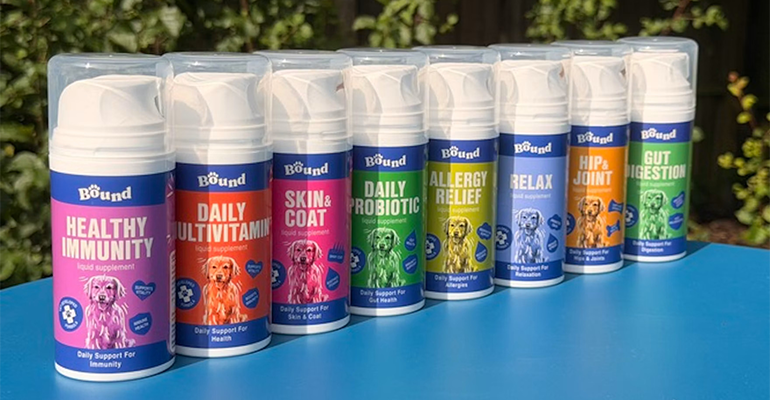
Pump-based liquid pet supplement focuses on health and convenience
8 Sep 2026
Prefera Pet Food uses a plastic pump-based packaging to make administering its liquid supplements for cats and dogs easier, healthier, and more accurate.
Read more
Health and wellness engagement matures across Middle East and Africa
4 Sep 2026
Many consumers in the Middle East and Africa are now proactively engaged in health and wellness, looking to integrate better habits and products into their daily lives, say experts.
Read more
Kellogg accelerates work to remove artificial colours from all US cereals
3 Sep 2026
WK Kellogg has announced an accelerated timeline to eliminate all artificial colours and the chemical preservative, BHT, across its full US portfolio of cereals and cereal packaging.
Read more
Royal Canin launches ‘freshly-cooked’ therapeutic dog food
1 Sep 2026
Mars-owned Royal Canin has moved into the therapeutic diet sector with the launch of its Fresh Veterinary Diets range for dogs with health conditions. We asked a veterinary nutritionist for her opinion.
Read more
‘Urgent gaps’ in achieving 2030 food system goals
27 Aug 2026
Global food systems are failing to meet 2030 targets across indicators including health, environment, and resilience, according to a report co-authored by the Food and Agriculture Organisation (FAO).
Read more
Seven-Eleven uses microbial testing tech to extend katsudon shelf life
26 Aug 2026
Japanese retail company Seven-Eleven has improved its factory’s microbial environment to keep comfort-food staple, katsudon, fresher for longer.
Read more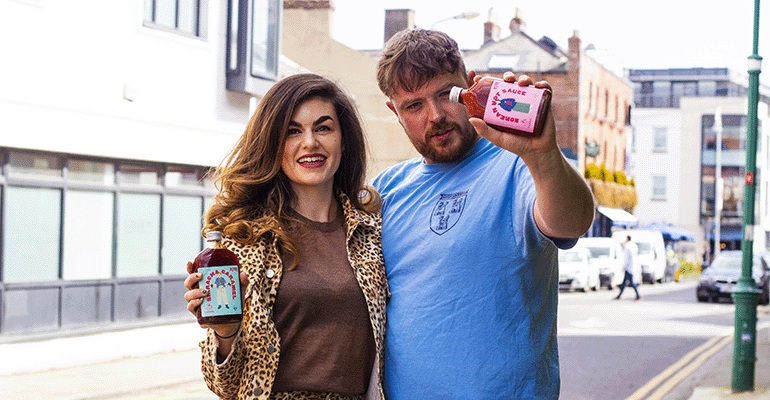
Chimac’s fusion sauces bring Korean flavours to Europe
25 Aug 2026
Irish sauce brand Chimac is tapping into Korea’s culinary traditions, bringing its flavours and products to European consumers who want a taste of K-food.
Read more
China beverages: Is herbal innovation the future?
20 Aug 2026
Herbal and botanical innovation in China's drinks market continues to grow, with ingredients like astragalus root, ginger, and ginseng in the spotlight – and focus shifting far beyond refreshment.
Read more