
Ingredients Categories
Finished Products
Finished Food Categories
- Bakery
- Beverages / Juices
- Cereal and grain products
- Confectionery
- Cooking Fats & Oils
- Dairy
- Egg products
- Fruits & Vegetables
- Infant & Baby food
- Meat, Poultry & Fish
- Nuts & Seeds products
- Other Finished Food Categories
- Pet Food
- Plant-based foods
- Prepared foods
- Sauces & Seasonings
- Sweet & Savoury Spreads
Specialised Finished Products
- Bee products
- Biotic products
- Dietary supplements
- Energy drinks
- Functional beverages
- Functional confectionery
- Functional food
- Functional powders
- Meal replacement products
- Nutricosmetics
- Other Specialised Finished Products
- Pet Dietary Supplements
- Pharma and OTC products
- Protein products
- Sugar replacers / Sweeteners
Health & Wellness Areas
Delivery Formats
Operations & Services
- 3D printing
- Analysis/ Testing
- Auditing & certifications
- Blending & mixing
- Bottling
- Certification
- Clinical trials
- Co-packing
- Coating
- Consulting
- Contract manufacturing
- Drying
- Electrospinning
- Encapsulating
- Enzymatic processing
- Extracting
- Extrusion
- Fat structuring
- Fermentation
- Filling
- Flavour development
- Freeze drying
- Granulating/ grinding/ milling / mixing
- High-pressure processing
- Labelling
- Other Operations & Services
- Packaging
- Packet filling
- Pasturising
- Quality assurance
- Saccharification
- Shear cell processing
- Spray drying
- Sterilisation
- Storage & Logistics
- Tabletting
- Toasting / roasting
- Ultra-high temperature processing
News
Zoe launches ‘whole food supplement’ at Waitrose
Simon Pitman, Freelance Journalist 31 Jul 2024Personalised nutrition startup Zoe has launched a whole food “supplement” made with nuts, seeds, and functional mushrooms that can be sprinkled on top of any meal to enhance gut health and nutrition.
Called ‘Daily 30+, the product is based on more than 30 minimally processed plant-based ingredients with the aim of boosting fibre and microbiome diversity in order to kickstart the nutritional and energy-giving properties in an individual’s daily meals. According to Zoe, the launch is also backed by a newly published and extensive clinical trial.
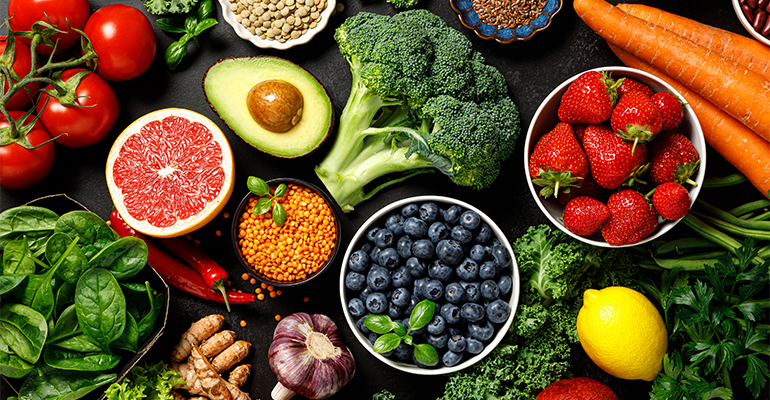
The product launched in the UK on 17 July, and is exclusively available at upmarket grocery retailer Waitrose, where the company is betting on finding its core group of consumers.
The launch comes after the startup partnered with M&S, another premium UK retailer, to co-brand a dairy kefir drink with added functional ingredients, such as baobab. Marketed as a “gut shot”, the drink attracted some criticism for being marketed as an expensive, magic bullet solution.
Daily 30+ includes seeds, nuts, legumes, herbs and mushrooms
Zoe’s Daily 30+ is a blend of seeds, nuts, pulses, herbs and functional mushrooms that that has been formulated to enhance a wide range of meals. It is currently available in single-serve and seven-day packs.
As part of the partnership with Waitrose, the supplement is being offered in the single serve format with the retailer’s £5 meal deals Food to Go Meal Deals. The meal deals combine a salad, wrap or sandwich with a snack and a drink – with the Daily 30+ being included as the snack option.
Consumers also have the option to purchase Daily 30+ directly from Zoe as a subscription, priced at a four-monthly discounted rate of £133, or at a monthly rate of £36.
The companies say that they are looking to encourage Waitrose customers to choose the salad meal deal option as the single serve option will be the optimal complement to the dish.
Waitrose partnered with Zoe+ to raise its health food offerings
“Our partnership enables us to tap into Zoe’s expertise, which is led by science, and help our customers make more conscious choices,” said Charlotte Di Cello, Waitrose commercial director.
“I’ve found it simple to include Daily30+ into my diet, whether it’s sprinkled over a salad, scrambled eggs or even through the kids' favourite spaghetti bolognese. I’m looking forward to seeing how our customers use it, and like me, feel the benefits of eating more plants.”
Di Cello went on to explain that the partnership with Zoe was part of Waitrose’s efforts to provide healthier and more nutritious solutions for its customers. Adding to that, Sarah Gordon, GM for Zoe Daily 30+, said she hoped that the partnership would help provide healthier lunches for individuals on the go.
“Daily 30+ packs more than 30 plants, and our clinical trial proves that it benefits energy, digestion, constipation, sleep and mood,” Gordon said.
Randomised control trial conducted over six weeks
While the concept for this type of supplement is ground-breaking, the company says that a recently completed randomised control trial (RCT) provides scientific evidence of its effectiveness.
Zoe’s team of scientists presented the study findings at the Nutrition Society Congress, earlier in July. The study involved 349 healthy male and female volunteers. The full scientific paper that the presentation was based on has just been made public.
The RCT was run over the course of six weeks and split the volunteers into three groups. The first group consumed two daily 15g doses of Zoe 30+, the second two 14g doses of croutons and the third two doses of L. rhamnosus probiotic.
A double control study to highlight efficacy
The crouton was chosen as the control because it matched Daily 30+ for calorific content while being relatively low on nutrition, and the L. rhamnosus strain of probiotic was picked because it has been extensively studied and has been proven to enhance gut health.
“Most studies only use one control, but we decided to use two. The second control was a ‘positive’ control – a probiotic supplement,” Alice Creedon, Ph.D., the study’s lead author. “We chose L. rhamnosus because it’s ‘the most researched probiotic bacteria and has shown benefits for health in RCTs, so we know it works.”
The study results found that individuals taking Daily 30+ had an average increase of 5 points in their gut microbiome score over the six-week period. The group taking the supplement also reported a greater sense of fullness throughout the day, together with an increase in both their energy and mood.

Get more of our news on Google
Set Ingredients Network as a 'Preferred Source' to get quicker access to the news you value.
Related news

Do the US dietary guidelines put UPFs under pressure?
10 Sep 2026
Will the US dietary guidelines change the way Americans eat, swapping ultra-processed foods for whole foods? We asked Dr Barry Popkin, renowned nutrition and obesity researcher.
Read more
Food fraud costs UK economy £2bn each year
9 Sep 2026
Food fraud is costing the UK economy up to £2 billion (€2.3 billion) every year although the food sector is more “resilient” than others, according to a recent study.
Read more
Pump-based liquid pet supplement focuses on health and convenience
8 Sep 2026
Prefera Pet Food uses a plastic pump-based packaging to make administering its liquid supplements for cats and dogs easier, healthier, and more accurate.
Read more
Health and wellness engagement matures across Middle East and Africa
4 Sep 2026
Many consumers in the Middle East and Africa are now proactively engaged in health and wellness, looking to integrate better habits and products into their daily lives, say experts.
Read more
Kellogg accelerates work to remove artificial colours from all US cereals
3 Sep 2026
WK Kellogg has announced an accelerated timeline to eliminate all artificial colours and the chemical preservative, BHT, across its full US portfolio of cereals and cereal packaging.
Read more
Royal Canin launches ‘freshly-cooked’ therapeutic dog food
1 Sep 2026
Mars-owned Royal Canin has moved into the therapeutic diet sector with the launch of its Fresh Veterinary Diets range for dogs with health conditions. We asked a veterinary nutritionist for her opinion.
Read more
‘Urgent gaps’ in achieving 2030 food system goals
27 Aug 2026
Global food systems are failing to meet 2030 targets across indicators including health, environment, and resilience, according to a report co-authored by the Food and Agriculture Organisation (FAO).
Read more
Seven-Eleven uses microbial testing tech to extend katsudon shelf life
26 Aug 2026
Japanese retail company Seven-Eleven has improved its factory’s microbial environment to keep comfort-food staple, katsudon, fresher for longer.
Read more
Chimac’s fusion sauces bring Korean flavours to Europe
25 Aug 2026
Irish sauce brand Chimac is tapping into Korea’s culinary traditions, bringing its flavours and products to European consumers who want a taste of K-food.
Read more
China beverages: Is herbal innovation the future?
20 Aug 2026
Herbal and botanical innovation in China's drinks market continues to grow, with ingredients like astragalus root, ginger, and ginseng in the spotlight – and focus shifting far beyond refreshment.
Read more