
Ingredients Categories
Finished Products
Finished Food Categories
- Bakery
- Beverages / Juices
- Cereal and grain products
- Confectionery
- Cooking Fats & Oils
- Dairy
- Egg products
- Fruits & Vegetables
- Infant & Baby food
- Meat, Poultry & Fish
- Nuts & Seeds products
- Other Finished Food Categories
- Pet Food
- Plant-based foods
- Prepared foods
- Sauces & Seasonings
- Sweet & Savoury Spreads
Specialised Finished Products
- Bee products
- Biotic products
- Dietary supplements
- Energy drinks
- Functional beverages
- Functional confectionery
- Functional food
- Functional powders
- Meal replacement products
- Nutricosmetics
- Other Specialised Finished Products
- Pet Dietary Supplements
- Pharma and OTC products
- Protein products
- Sugar replacers / Sweeteners
Health & Wellness Areas
Delivery Formats
Operations & Services
- 3D printing
- Analysis/ Testing
- Auditing & certifications
- Blending & mixing
- Bottling
- Certification
- Clinical trials
- Co-packing
- Coating
- Consulting
- Contract manufacturing
- Drying
- Electrospinning
- Encapsulating
- Enzymatic processing
- Extracting
- Extrusion
- Fat structuring
- Fermentation
- Filling
- Flavour development
- Freeze drying
- Granulating/ grinding/ milling / mixing
- High-pressure processing
- Labelling
- Other Operations & Services
- Packaging
- Packet filling
- Pasturising
- Quality assurance
- Saccharification
- Shear cell processing
- Spray drying
- Sterilisation
- Storage & Logistics
- Tabletting
- Toasting / roasting
- Ultra-high temperature processing
News
Adventurous US consumers eager for ‘swicy’ flavours
Natasha Spencer-Jolliffe, Freelance Journalist 19 Jun 2024US manufacturers and marketers are tapping into the adventurer consumer persona and enhancing their products with elevated and diverse ‘swicy’ flavours.
Novel and exciting flavour combinations build on sought-after nostalgic tastes with a twist. The ‘swicy’ trend is standing out to adventure-loving consumers, with manufacturers adding spice-infused formulations to their collections. Gen Z and Millennials, who seek unique and intense flavour collabs, are particularly captive audiences for the sweet and spicy mashup trend.
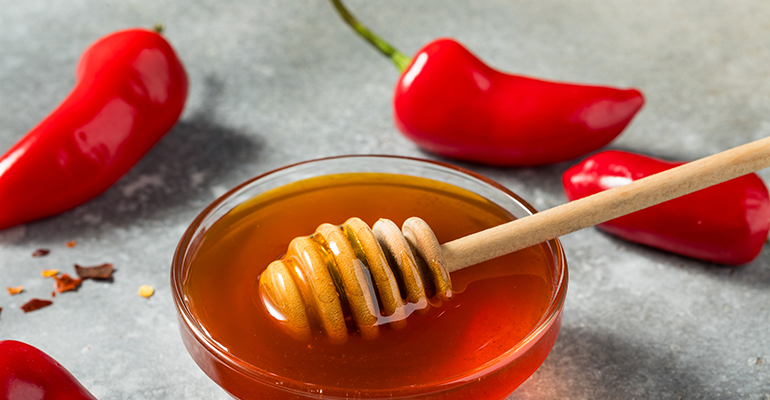
‘Swicy’ is a top trend in 2024
In the US, the ‘swicy’ trend made its way into mainstream flavour profiles in hot honey products following the release of Mike’s Hot Honey in 2010. Other brands then combined sweet and spicy in the much-loved condiment.
Today, spicy formulations that pack a punchy flavour have big appeal. According to consumer behaviour insights provider Circana, dollar sales for food and beverages with “spicy” in their descriptions have risen 9% year-over-year. Furthermore, 11% of 25-to-34-year-olds enjoy bold and unexpected flavours, an increase of 7% points from 2019.
On 2nd June 2024, ‘swicy’ was described as “the hottest trend in food right now”, CNN reported. The sweet-marries-spicy trend is reaching various food and beverage segments, from savoury items like burgers, chips, and frozen pizza to more sweet varieties, including ice cream and popcorn.
In February 2024, Coca-Cola announced it was adding a new permanent flavour to its portfolio, Coca-Cola Spiced. Responding to consumer calls for bolder and punchier flavours, the move marked the beverage giant’s first mainstay new beverage flavour creation in years.
As today’s consumers seek more complex flavour profiles, ‘swicy’ offers more robust and varied options for food and beverage releases. With its roots in age-old worldwide recipes, producers are drawing upon these and mixing them with interesting global cuisines to attract consumers who love travel and exploration.
The world becoming smaller due to increased global travel, the US evolving into a more culturally diverse population, and flavour trends from the culinary and snack categories are key influences driving the ‘swicy’ trend, Hogan adds.
Media platforms enable US brands to create online experiences and share their ‘swicy’ launches with consumers around the world. Social media captures the vibrancy and diversity within food innovation, putting brands with interesting and engaging flavour profiles in front of their audiences. Targeted adverts, blogs, and ebooks on how food technologists are landing on prominent flavour profiles are also attractive avenues that give consumers access to the latest flavour developments.
Popular flavour combinations
Chilli, in particular, chipotle and Habanero are popular spices in the ‘swicy’ trend. These spice ingredients are paired with classic fruits such as lime, cherry, citrus, watermelon, raspberry and strawberry. To appeal to consumers’ love of new and exciting twists, manufacturers are also putting chilli with more trendy flavours like mango, pineapple, guava and passion fruits.
Mexican food is emerging as a formidable influence in today’s ‘swicy’ trend. Mole is an emerging ‘swicy’ flavour entering the scene. Influenced by classic Mexican culinary dishes, mole is typically a blend of cinnamon, cayenne and chilli with a hint of chocolate.
Ginger, chai, peppercorn, and turmeric are other leading spicy flavours. While these may be included in formulations to enhance the spicy flavour profile of products, they are also paired with fruits like lemon, apple, peach and coconut to boost the sweet aspect of the products’ content.
As sweet and spicy flavour mixes become more popular, ‘swicy’ launches are expanding their reach into the confectionery space.

Get more of our news on Google
Set Ingredients Network as a 'Preferred Source' to get quicker access to the news you value.
Related news
Do the US dietary guidelines put UPFs under pressure?
10 Sep 2026
Will the US dietary guidelines change the way Americans eat, swapping ultra-processed foods for whole foods? We asked Dr Barry Popkin, renowned nutrition and obesity researcher.
Read more
Food fraud costs UK economy £2bn each year
9 Sep 2026
Food fraud is costing the UK economy up to £2 billion (€2.3 billion) every year although the food sector is more “resilient” than others, according to a recent study.
Read more
Kellogg accelerates work to remove artificial colours from all US cereals
3 Sep 2026
WK Kellogg has announced an accelerated timeline to eliminate all artificial colours and the chemical preservative, BHT, across its full US portfolio of cereals and cereal packaging.
Read more
Skimpflation: An ‘unfair’ and risky approach to keeping prices low
2 Sep 2026
Consumers see skimpflation – reducing the quality of ingredients due to rising costs – as more unfair than shrinkflation, making it a risky strategy according to recent research.
Read more
NielsenIQ’s EU barometer shows Britain leading in grocery inflation
31 Aug 2026
Britain was the only country to record grocery inflation above 2%, according to NielsenIQ data that compared Europe’s five biggest grocery markets from February to May 2026.
Read more
‘Urgent gaps’ in achieving 2030 food system goals
27 Aug 2026
Global food systems are failing to meet 2030 targets across indicators including health, environment, and resilience, according to a report co-authored by the Food and Agriculture Organisation (FAO).
Read more
Manam Chocolate aims to bring premium Indian cacao to 'the world stage'
11 Aug 2026
Craft chocolate brand Manam Chocolate is investing in local expansion and supply chain innovation throughout India as it works to build out the premium reputation of its locally produced cacao products.
Read more
Digital twin technology gains ground in food manufacturing
6 Aug 2026
Food and beverage companies are increasingly turning to digital twins to optimise and automate manufacturing processes, but opportunities stretch far beyond this, say experts.
Read more
Nestlé invests in regeneratively farmed wheat for KitKat
5 Aug 2026
Nestlé will pay a premium for Wildfarmed’s regeneratively farmed wheat but the CPG remains reticent to promote the move on packs of its KitKat bars.
Read more
EU sets maximum MOAH levels to protect human health
28 Jul 2026
The EU will adopt maximum levels for mineral oil aromatic hydrocarbons (MOAH) in food to protect human health. What do manufacturers need to know?
Read more