
Ingredients Categories
Finished Products
Finished Food Categories
- Bakery
- Beverages / Juices
- Cereal and grain products
- Confectionery
- Cooking Fats & Oils
- Dairy
- Egg products
- Fruits & Vegetables
- Infant & Baby food
- Meat, Poultry & Fish
- Nuts & Seeds products
- Other Finished Food Categories
- Pet Food
- Plant-based foods
- Prepared foods
- Sauces & Seasonings
- Sweet & Savoury Spreads
Specialised Finished Products
- Bee products
- Biotic products
- Dietary supplements
- Energy drinks
- Functional beverages
- Functional confectionery
- Functional food
- Functional powders
- Meal replacement products
- Nutricosmetics
- Other Specialised Finished Products
- Pet Dietary Supplements
- Pharma and OTC products
- Protein products
- Sugar replacers / Sweeteners
Health & Wellness Areas
Delivery Formats
Operations & Services
- 3D printing
- Analysis/ Testing
- Auditing & certifications
- Blending & mixing
- Bottling
- Certification
- Clinical trials
- Co-packing
- Coating
- Consulting
- Contract manufacturing
- Drying
- Electrospinning
- Encapsulating
- Enzymatic processing
- Extracting
- Extrusion
- Fat structuring
- Fermentation
- Filling
- Flavour development
- Freeze drying
- Granulating/ grinding/ milling / mixing
- High-pressure processing
- Labelling
- Other Operations & Services
- Packaging
- Packet filling
- Pasturising
- Quality assurance
- Saccharification
- Shear cell processing
- Spray drying
- Sterilisation
- Storage & Logistics
- Tabletting
- Toasting / roasting
- Ultra-high temperature processing
sponsored content
Almonds a key ingredient in healthy snacking
18 Apr 2018More almond-containing products were launched in Europe than in any other region in the world in 2016, as the trend toward healthier snacking has given the nuts a major boost.

Almonds tap into a range of current European food trends, such as clean label, gluten free and plant-based, making them a popular choice for food companies looking to provide natural, healthy, and energising products. California produces 83% of the world’s almonds, and in 2017, 27% of those were destined for Europe. In 2016, 47% of all new products with almonds were launched in Europe and, for the second year running, almonds were used in more new European products than any other nut.
Over the last 15 years, almonds have become increasingly popular as a snack and as an ingredient in chocolate, bakery, bars, nut butters and beverages. “Through our marketing campaigns in Europe, almonds have moved from being perceived as just a baking ingredient to a healthy, nutritious and sustainable snack,” said Dariela Roffe-Rackind, Director, Europe and Global Public Relations at The Almond Board of California.Plant-based milk alternativesAlmonds have also been one of the most popular source ingredients for plant-based milk alternatives, a booming market. Plant-based milks from almonds outstripped those made from soy in 2017, accounting for 22% of new global product launches, according to Mintel.“Nowhere is the versatility of almonds more prevalent than in the move towards dairy alternatives,” said Roffe-Rackind. “…Between 2013 and 2017, the use of almonds as the base of a new drink product in Europe nearly doubled – and is likely to continue to rise.”Companies that use Californian almonds can also tap into a wide range of resources, including market and consumer insights and help with formulation challenges, she said. “They should know that we are a research-based organization. We produce credible, high-level research into almond nutrition, quality and food safety, responsible farming practices and agricultural innovation, consumer research – all this research is available to our industry, partners, and manufacturers.”Sustainable practices ensure long term supply Sustainability is another key area for the Almond Board, which has had to contend with a major drought in California, one of the most severe on record. Although almonds require a good deal of water, they are not the thirstiest crop in the region. The crop per tree has been shrinking year-on-year, but the Almond Board has invested in research to improve water use and has implemented water-saving strategies that have cut the amount of water needed to produce a kilogram of almonds by 33% over the past decade.Roffe-Rackind says this benefits not only the almond industry, but improves California’s sustainability as a whole.“The fact that the majority of almond farms in California are fewer than 100 acres, and nearly 90% are family farms, many operated by third and fourth generation family growers, means that almond farmers recognise – and take very seriously – the need to carefully manage resources for current and future generations.”Companies mentioned

Related categories

Get more of our news on Google
Set Ingredients Network as a 'Preferred Source' to get quicker access to the news you value.
Related news

Skimpflation: An ‘unfair’ and risky approach to keeping prices low
2 Sep 2026
Consumers see skimpflation – reducing the quality of ingredients due to rising costs – as more unfair than shrinkflation, making it a risky strategy according to recent research.
Read more
NielsenIQ’s EU barometer shows Britain leading in grocery inflation
31 Aug 2026
Britain was the only country to record grocery inflation above 2%, according to NielsenIQ data that compared Europe’s five biggest grocery markets from February to May 2026.
Read more
‘Urgent gaps’ in achieving 2030 food system goals
27 Aug 2026
Global food systems are failing to meet 2030 targets across indicators including health, environment, and resilience, according to a report co-authored by the Food and Agriculture Organisation (FAO).
Read more
China beverages: Is herbal innovation the future?
20 Aug 2026
Herbal and botanical innovation in China's drinks market continues to grow, with ingredients like astragalus root, ginger, and ginseng in the spotlight – and focus shifting far beyond refreshment.
Read more
Popular barbecue staples experience sharp price increases
19 Aug 2026
The typical cost of US shoppers’ barbecue baskets has risen by 12% over the past year – the fastest annual rise in a decade, figures from The Economist show.
Read more
Beyond 'nice to have': A spotlight on US functional beverages
12 Aug 2026
Functional beverage interest in the US is gaining important ground as consumers now expect function rather than see it as "nice to have", and there are clear market gaps for growth, according to Spate.
Read more
Manam Chocolate aims to bring premium Indian cacao to 'the world stage'
11 Aug 2026
Craft chocolate brand Manam Chocolate is investing in local expansion and supply chain innovation throughout India as it works to build out the premium reputation of its locally produced cacao products.
Read more
Digital twin technology gains ground in food manufacturing
6 Aug 2026
Food and beverage companies are increasingly turning to digital twins to optimise and automate manufacturing processes, but opportunities stretch far beyond this, say experts.
Read more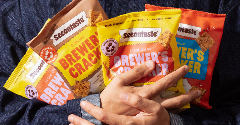
How Secon Taste is putting upcycled snacks on shelves
4 Aug 2026
Hungarian zero-waste startup Secon Taste is turning surplus food into upcycled snacks such as fibre-packed granola, instant porridge, and a circular coffee-tasting box.
Read more
Codex sets global thresholds for ‘may contain’ labels
3 Aug 2026
Codex Alimentarius has adopted its first global guidance on when to use “may contain” allergen warnings, setting thresholds intended to stop the label being used as blanket legal cover.
Read more