
Ingredients Categories
Finished Products
Finished Food Categories
- Bakery
- Beverages / Juices
- Cereal and grain products
- Confectionery
- Cooking Fats & Oils
- Dairy
- Egg products
- Fruits & Vegetables
- Infant & Baby food
- Meat, Poultry & Fish
- Nuts & Seeds products
- Other Finished Food Categories
- Pet Food
- Plant-based foods
- Prepared foods
- Sauces & Seasonings
- Sweet & Savoury Spreads
Specialised Finished Products
- Bee products
- Biotic products
- Dietary supplements
- Energy drinks
- Functional beverages
- Functional confectionery
- Functional food
- Functional powders
- Meal replacement products
- Nutricosmetics
- Other Specialised Finished Products
- Pet Dietary Supplements
- Pharma and OTC products
- Protein products
- Sugar replacers / Sweeteners
Health & Wellness Areas
Delivery Formats
Operations & Services
- 3D printing
- Analysis/ Testing
- Auditing & certifications
- Blending & mixing
- Bottling
- Certification
- Clinical trials
- Co-packing
- Coating
- Consulting
- Contract manufacturing
- Drying
- Electrospinning
- Encapsulating
- Enzymatic processing
- Extracting
- Extrusion
- Fat structuring
- Fermentation
- Filling
- Flavour development
- Freeze drying
- Granulating/ grinding/ milling / mixing
- High-pressure processing
- Labelling
- Other Operations & Services
- Packaging
- Packet filling
- Pasturising
- Quality assurance
- Saccharification
- Shear cell processing
- Spray drying
- Sterilisation
- Storage & Logistics
- Tabletting
- Toasting / roasting
- Ultra-high temperature processing
News
Brazilian study finds high levels of mycotoxins in flour and rice
Natasha Spencer-Jolliffe, Freelance Journalist 10 Jun 2024For the first time, scientists in Brazil used biomarkers to analyse the risk of mycotoxins in consumers’ diets, finding that some exceed maximum permitted levels.
Researchers from Brazil’s University of São Paulo (USP) conducted a pilot study analysing samples of flour and rice stored in homes. The study, supported by FAPESP and published in Food Research International, revealed high levels of fungal toxins, otherwise known as mycotoxins, in the samples.

The study, which identified high levels of harmful toxins in flour and rice, found six mycotoxins of concern in the food samples the researchers examined. Scientists discovered the presence of aflatoxins, fumonisins, zearalenone, T-2 toxin, deoxynivalenol, and ochratoxin A in the food samples.
In some cases, the level of fumonisins, zearalenone and deoxynivalenol mycotoxins exceeded the tolerance limit, known as the maximum permitted levels (MPLs), set by the health authorities. Of the 213 foods analysed, researchers detected between two to four mycotoxins in various combinations in 70 foods, almost a third (32.86%) of the samples.
Stricter enforcement needed
Regulations on the presence of mycotoxins need to be tighter, Professor Carlos Oliveira of the Department of Food Engineering, Faculty of Animal Science and Food Engineering (FZEA) at the University of São Paulo (USP) told Ingredients Network.
“[T]he maximum permitted levels (MPL) as defined in the regulations are based on international recommendations, including FAO/WHO JECFA (Joint Experts Committee on Food Additives), Codex Alimentarius and EFSA, among others, following risk assessment evaluations for mycotoxins conducted periodically.”
The Brazilian Safety Authority ANVISA (Agência Nacional de Vigilância Sanitária) updated regulations regarding mycotoxins in food products, including infant foods, in July 2022. “The MPL should be strictly followed by food producers, food processors, and related participants in the food chain,” Oliveira added.
Mycotoxin presence is a public health concern
The daily intake estimates (EDIs) for deoxynivalenol in wheat products and rice exceeded the acceptable daily intake (TDI) and were particularly significant for preschoolers, schoolers, and adolescents, the researchers found.
Preschoolers and adolescents were found to have been exposed to deoxynivalenol through wheat products, while school-aged children were exposed to the mycotoxin through wheat products and rice. The findings suggest that wheat-based foods and rice could pose a risk to children, indicating the importance of implementing strict measures to prevent deoxynivalenol contamination in these products.
“There are more than 400 toxins that fungi produce to defend themselves or to interact with other organisms. Six of these substances, which we call the superpower girls, require more attention because they’re carcinogenic, immunosuppressive, or act as endocrine disruptors [cause changes in the body’s hormonal balance],” said Oliveira. “It’s something that needs a lot of attention because of its harmful effects on health.”
Prolonged exposure to B1 molecules can lead irreparable damage to DNA. “That’s why we’re concerned about children and adolescents, who tend to be more sensitive to toxins in general,” Oliveira added.
The risk of health implications underlines the significance of storing grains and flour in dry areas and safeguarding them from insects to prevent contamination.
Better governance and guidance
Food safety and food quality control processes are critical components in the flour and rice products placed and kept on the market. “There is a need for improved practices in controlling field fungi that infect wheat and rice crops at pre- and post-harvest levels, by producers and processing industries, respectively,” Oliveira said, citing it as the article’s key take-home lesson.
These enhanced measures need to be “supported by continuous monitoring of mycotoxins in all steps of the food production chain – ‘from farm to fork’”.
Manufacturers and brands can respond by ensuring consumers are confident in their knowledge of mycotoxins. “Educational programs would help to improve public awareness about proper storage conditions of food products in household settings, thus contributing to food safety and consumer health.”
Modifications to manufacturing processes may also come into question. “Mycotoxins are highly resistant to conventional food processing technologies, such as thermal treatments like pasteurisation and sterilisation, extrusion and chemical methods such as food additives,” said Oliveira. “[T]he best way to avoid mycotoxins in foods is the prevention of fungal contamination in all steps of the food chain.”
Producers in the field can improve practices in controlling fungi that may infect wheat and rice crops. At the post-harvest stage, grain transporters and manufacturers need to provide optimal storage conditions to reduce the risk of contamination.
As the researchers collected the flour and rice samples at the participants’ households, Oliveira said it is possible that some of the samples’ mycotoxin contamination could have originated during household storage. For example, the contamination may have come from packaged foods that were partially consumed but remained open for long periods.
Ongoing proactive management throughout the supply chain to identify and eradicate the presence of mycotoxins in flour and rice-based products is vital. “In all steps, the preventive measures should be supported by continuous monitoring of mycotoxins in the foodstuffs,” said Oliveira.
Oliveira shared that the team is currently conducting additional work to assess the extent of contamination. “By analysing biomarkers found in urine, it’s possible to assess exposure to mycotoxins, since the excretion of biomarkers correlates well with the ingestion of some mycotoxins. This will allow us to anticipate the potential effects of contamination.”

Get more of our news on Google
Set Ingredients Network as a 'Preferred Source' to get quicker access to the news you value.
Related news

Do the US dietary guidelines put UPFs under pressure?
10 Sep 2026
Will the US dietary guidelines change the way Americans eat, swapping ultra-processed foods for whole foods? We asked Dr Barry Popkin, renowned nutrition and obesity researcher.
Read more
Food fraud costs UK economy £2bn each year
9 Sep 2026
Food fraud is costing the UK economy up to £2 billion (€2.3 billion) every year although the food sector is more “resilient” than others, according to a recent study.
Read more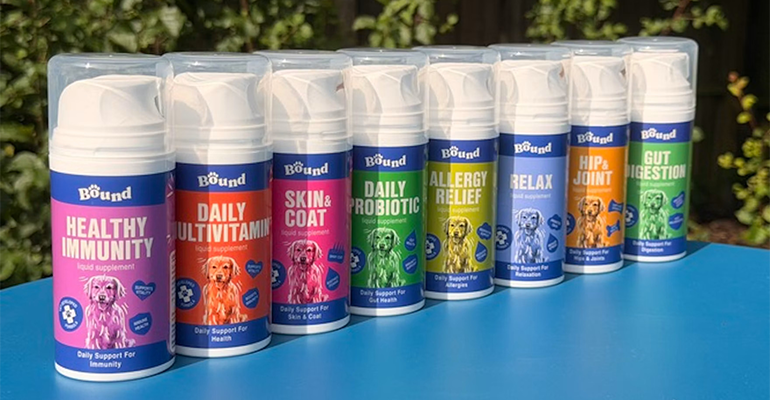
Pump-based liquid pet supplement focuses on health and convenience
8 Sep 2026
Prefera Pet Food uses a plastic pump-based packaging to make administering its liquid supplements for cats and dogs easier, healthier, and more accurate.
Read more
Health and wellness engagement matures across Middle East and Africa
4 Sep 2026
Many consumers in the Middle East and Africa are now proactively engaged in health and wellness, looking to integrate better habits and products into their daily lives, say experts.
Read more
Kellogg accelerates work to remove artificial colours from all US cereals
3 Sep 2026
WK Kellogg has announced an accelerated timeline to eliminate all artificial colours and the chemical preservative, BHT, across its full US portfolio of cereals and cereal packaging.
Read more
Royal Canin launches ‘freshly-cooked’ therapeutic dog food
1 Sep 2026
Mars-owned Royal Canin has moved into the therapeutic diet sector with the launch of its Fresh Veterinary Diets range for dogs with health conditions. We asked a veterinary nutritionist for her opinion.
Read more
‘Urgent gaps’ in achieving 2030 food system goals
27 Aug 2026
Global food systems are failing to meet 2030 targets across indicators including health, environment, and resilience, according to a report co-authored by the Food and Agriculture Organisation (FAO).
Read more
Seven-Eleven uses microbial testing tech to extend katsudon shelf life
26 Aug 2026
Japanese retail company Seven-Eleven has improved its factory’s microbial environment to keep comfort-food staple, katsudon, fresher for longer.
Read more
Chimac’s fusion sauces bring Korean flavours to Europe
25 Aug 2026
Irish sauce brand Chimac is tapping into Korea’s culinary traditions, bringing its flavours and products to European consumers who want a taste of K-food.
Read more
China beverages: Is herbal innovation the future?
20 Aug 2026
Herbal and botanical innovation in China's drinks market continues to grow, with ingredients like astragalus root, ginger, and ginseng in the spotlight – and focus shifting far beyond refreshment.
Read more