
Ingredients Categories
Finished Products
Finished Food Categories
- Bakery
- Beverages / Juices
- Cereal and grain products
- Confectionery
- Cooking Fats & Oils
- Dairy
- Egg products
- Fruits & Vegetables
- Infant & Baby food
- Meat, Poultry & Fish
- Nuts & Seeds products
- Other Finished Food Categories
- Pet Food
- Plant-based foods
- Prepared foods
- Sauces & Seasonings
- Sweet & Savoury Spreads
Specialised Finished Products
- Bee products
- Biotic products
- Dietary supplements
- Energy drinks
- Functional beverages
- Functional confectionery
- Functional food
- Functional powders
- Meal replacement products
- Nutricosmetics
- Other Specialised Finished Products
- Pet Dietary Supplements
- Pharma and OTC products
- Protein products
- Sugar replacers / Sweeteners
Health & Wellness Areas
Delivery Formats
Operations & Services
- 3D printing
- Analysis/ Testing
- Auditing & certifications
- Blending & mixing
- Bottling
- Certification
- Clinical trials
- Co-packing
- Coating
- Consulting
- Contract manufacturing
- Drying
- Electrospinning
- Encapsulating
- Enzymatic processing
- Extracting
- Extrusion
- Fat structuring
- Fermentation
- Filling
- Flavour development
- Freeze drying
- Granulating/ grinding/ milling / mixing
- High-pressure processing
- Labelling
- Other Operations & Services
- Packaging
- Packet filling
- Pasturising
- Quality assurance
- Saccharification
- Shear cell processing
- Spray drying
- Sterilisation
- Storage & Logistics
- Tabletting
- Toasting / roasting
- Ultra-high temperature processing
News
Briefing: What to expect as talks on global plastics treaty resume
David Burrows, Freelance Journalist 11 Jul 2025With negotiations on a global plastic pollution treaty set to resume next month, the food sector is braced to see what the impact will be for industry and consumers alike.
At last month’s third UN Ocean Conference, France managed to corral 95 other countries into signing The Nice Wake-Up Call for an Ambitious Plastics Treaty. This attempt to inject momentum into the treaty process came ahead of the sixth round of negotiations for a global plastic pollution treaty, which are set to take place in August.
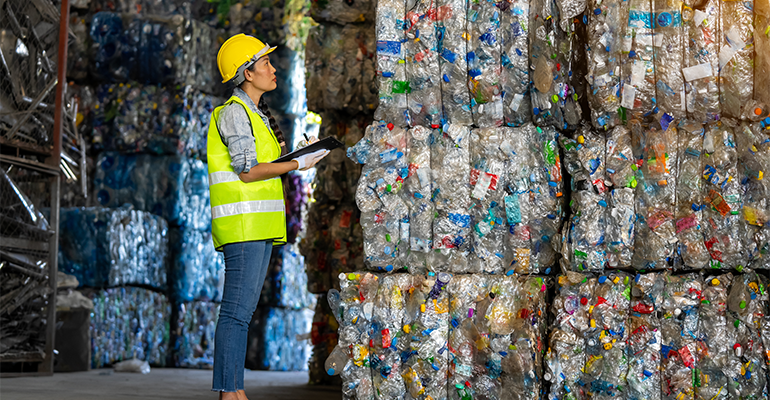
The global deal remains far from a fait accompli after “final” talks broke down last year – so as we enter the final few weeks before the final-final talks in Switzerland, what should food ingredients companies and the wider food sector look out for?
Put a lid on it
Talk of a cap on plastic production is likely to remain the headline-grabber of choice – not least because it is one of the main blockers to an agreement, given vested interests in maintaining the “status flow” of oil-based plastics. Expect more news on the links between plastic and climate – both in producing and mitigating emissions.
The opportunity here will be for supporters of reusable packaging to make their case but expect a lot of activity from non-plastic packaging sector as they promote their alternatives.
Content? Far from it
While reducing the amount of single-use plastic in production is contentious, incorporating more recycled polymers into the mix has widespread support. Big brands have managed to increase the levels of post-consumer recycled (PCR) content they use.
“PCR has shown consistent growth. Brand and retail signatories grew by two percentage points (from 12% in 2022 to 14% in 2023), driven by business commitments, significant investments in recycling facilities coming to fruition, and legislative changes in some geographies,” noted the Ellen MacArthur Foundation in its The Global Commitment: 2024 Progress Report, which counts the likes of Coca-Cola, Danone, Henkel, Mars, Nestlé, and PepsiCo among its signatories.
Food sector companies are lagging, though, with 10% on average compared to those in cosmetics which have collectively managed 31% PCR. The significant price premium on recycled content is not helping, with reports of major companies putting the brakes on any further progress as they struggle to source enough materials or justify the premium during a cost-of-living crisis.
Lack of regulation has also provided breathing space, with some international food corporates having watered down their voluntary targets on recycled plastic content. Expect a lot of attention on how voluntary agreements have failed to date.
Pick it up
Regulations on food contact materials are another major headache for food companies looking to integrate more recycled content into their packaging.
Expect there to be shots fired at the European Food Safety Authority (EFSA) and the Food Standards Agency (FSA) relating to the use of recycled polypropylene (PP) in particular. Used for containers like pots, tubs, and trays, as well as a variety of non-food applications, PP has become one of the most prolific yet least recycled polymers.
“The plastics industry is actually harming itself by not creating a circular economy for food-grade PP, as it risks being overtaken by alternatives that actually have higher carbon footprints in the long run,” wrote plastics recycling expert Edward Kosior in a piece for Resource Recycling.
There are various challenges. For example, it is very difficult to accurately identify PP that has only been used for food. There are also complaints that the regulators are being a little over-cautious in the level of testing required to prove rPP (recycled PP) is safe to use in food contact packaging.
Chemical contamination
The safety of packaging will be a huge topic of debate at the treaty talks. Understanding of the impact the chemicals used in packaging have on human health and the wider environment is improving, but there is much to learn (including how chemicals flow and interact through plastic recycling loops).
The High Ambition Coalition (HAC), a collective of countries advocating for a robust treaty, will continue to seek the phase-out of harmful plastic products and chemicals of concern.
“[A] large majority of the participating nations want a treaty that acknowledges health considerations and the need for production constraints,” wrote Pete Myers, founder and chief scientist of Environmental Health Sciences, in a blog following the failed talks in South Korea last year.
Bottles half-full
There is optimism that a deal is possible – but also wide agreement that a bad deal remains a worse option than no deal.
Businesses also widely support new, consistent regulations. As part of the Business Coalition for a Global Plastics Treaty, more than 280 global businesses, financial institutions, and NGOs have advocated for harmonised regulations – including bans on problematic and avoidable products and product design standards.
There is also a need for a globally harmonised approach for national extended producer responsibility schemes, noted Jodie Roussell, global public affairs lead (packaging and sustainability) at Nestlé and co-chair of the coalition.
These schemes would support countries in delivering on their national ambitions while ensuring a level playing field for businesses, she explained in a press statement in June that welcomed the Nice wake-up call.

Get more of our news on Google
Set Ingredients Network as a 'Preferred Source' to get quicker access to the news you value.
Related news

Do the US dietary guidelines put UPFs under pressure?
10 Sep 2026
Will the US dietary guidelines change the way Americans eat, swapping ultra-processed foods for whole foods? We asked Dr Barry Popkin, renowned nutrition and obesity researcher.
Read more
Food fraud costs UK economy £2bn each year
9 Sep 2026
Food fraud is costing the UK economy up to £2 billion (€2.3 billion) every year although the food sector is more “resilient” than others, according to a recent study.
Read more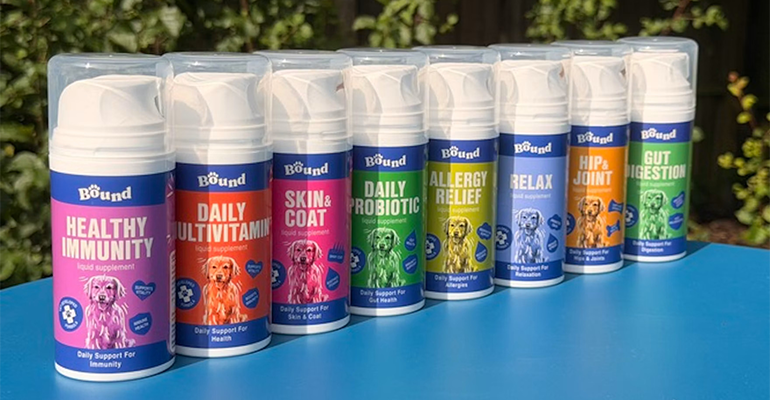
Pump-based liquid pet supplement focuses on health and convenience
8 Sep 2026
Prefera Pet Food uses a plastic pump-based packaging to make administering its liquid supplements for cats and dogs easier, healthier, and more accurate.
Read more
Health and wellness engagement matures across Middle East and Africa
4 Sep 2026
Many consumers in the Middle East and Africa are now proactively engaged in health and wellness, looking to integrate better habits and products into their daily lives, say experts.
Read more
Kellogg accelerates work to remove artificial colours from all US cereals
3 Sep 2026
WK Kellogg has announced an accelerated timeline to eliminate all artificial colours and the chemical preservative, BHT, across its full US portfolio of cereals and cereal packaging.
Read more
Royal Canin launches ‘freshly-cooked’ therapeutic dog food
1 Sep 2026
Mars-owned Royal Canin has moved into the therapeutic diet sector with the launch of its Fresh Veterinary Diets range for dogs with health conditions. We asked a veterinary nutritionist for her opinion.
Read more
‘Urgent gaps’ in achieving 2030 food system goals
27 Aug 2026
Global food systems are failing to meet 2030 targets across indicators including health, environment, and resilience, according to a report co-authored by the Food and Agriculture Organisation (FAO).
Read more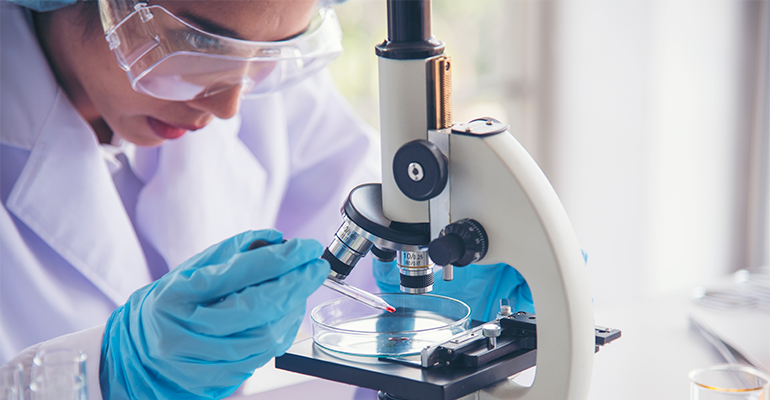
Seven-Eleven uses microbial testing tech to extend katsudon shelf life
26 Aug 2026
Japanese retail company Seven-Eleven has improved its factory’s microbial environment to keep comfort-food staple, katsudon, fresher for longer.
Read more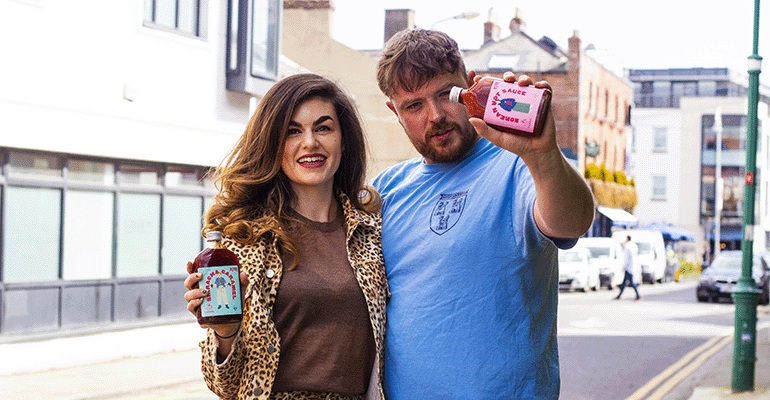
Chimac’s fusion sauces bring Korean flavours to Europe
25 Aug 2026
Irish sauce brand Chimac is tapping into Korea’s culinary traditions, bringing its flavours and products to European consumers who want a taste of K-food.
Read more
China beverages: Is herbal innovation the future?
20 Aug 2026
Herbal and botanical innovation in China's drinks market continues to grow, with ingredients like astragalus root, ginger, and ginseng in the spotlight – and focus shifting far beyond refreshment.
Read more