
Ingredients Categories
Finished Products
Finished Food Categories
- Bakery
- Beverages / Juices
- Cereal and grain products
- Confectionery
- Cooking Fats & Oils
- Dairy
- Egg products
- Fruits & Vegetables
- Infant & Baby food
- Meat, Poultry & Fish
- Nuts & Seeds products
- Other Finished Food Categories
- Pet Food
- Plant-based foods
- Prepared foods
- Sauces & Seasonings
- Sweet & Savoury Spreads
Specialised Finished Products
- Bee products
- Biotic products
- Dietary supplements
- Energy drinks
- Functional beverages
- Functional confectionery
- Functional food
- Functional powders
- Meal replacement products
- Nutricosmetics
- Other Specialised Finished Products
- Pet Dietary Supplements
- Pharma and OTC products
- Protein products
- Sugar replacers / Sweeteners
Health & Wellness Areas
Delivery Formats
Operations & Services
- 3D printing
- Analysis/ Testing
- Auditing & certifications
- Blending & mixing
- Bottling
- Certification
- Clinical trials
- Co-packing
- Coating
- Consulting
- Contract manufacturing
- Drying
- Electrospinning
- Encapsulating
- Enzymatic processing
- Extracting
- Extrusion
- Fat structuring
- Fermentation
- Filling
- Flavour development
- Freeze drying
- Granulating/ grinding/ milling / mixing
- High-pressure processing
- Labelling
- Other Operations & Services
- Packaging
- Packet filling
- Pasturising
- Quality assurance
- Saccharification
- Shear cell processing
- Spray drying
- Sterilisation
- Storage & Logistics
- Tabletting
- Toasting / roasting
- Ultra-high temperature processing
News
Could Mexico’s salt-cutting measures extend to reformulation?
Natasha Spencer-Jolliffe, Freelance Journalist 25 Jun 2024Mexico’s consumer watchdog has called on food industry to reduce salt in processed products available in the country to reduce cardiovascular diseases.
El Poder del Consumidor, a consumer rights organisation in Mexico, is urging the country’s population to reduce sodium consumption to reflect the World Health Organization’s (WHO) recommendations.
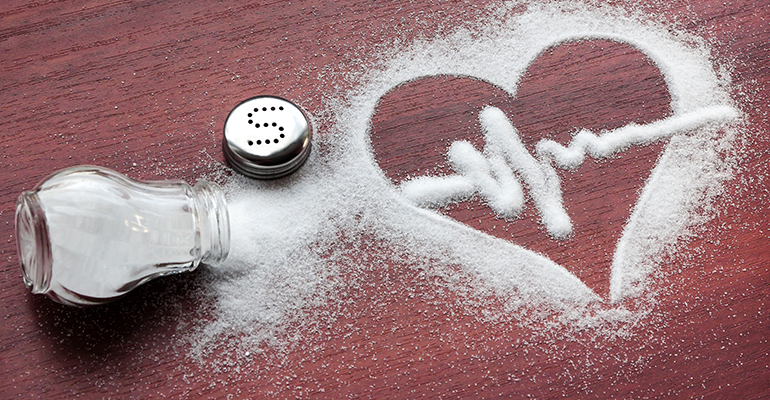
Mexico consumes approximately double the amount recommended by the WHO. The consumer watchdog estimates that cutting back on salt could save 27,700 deaths a year due to cardiovascular diseases (CVD).
Mexico’s sodium consumption exceeds WHO’s recommended intake
The WHO recommends a daily sodium intake of 2 grams (g) maximum, the equivalent to 5 g of salt or one teaspoon.
In Mexico, adults consume around 3.1 g of sodium, amounting to 7.8 g of salt per day. Sodium consumption is estimated at approximately 2.8 g of sodium per day for schoolchildren aged five to twelve, which amounts to 7.1 g of salt. For adolescents aged 12 to 18, this figure sits at 3.7 g of sodium per day or 9.4 g of salt.
According to these recommendations, the Mexican population consumes an excessive amount of sodium. Studies show that over 80% of minors and 64% of adults exceed the recommended sodium intake, El Poder del Consumidor says.
The consumption watchdog adds that if adults in Mexico followed the WHO’s suggested sodium intake of 2 g per day, it could potentially prevent around 27,700 deaths annually caused by CVD.
Cutting back on processed foods
The Pan American Health Organization (PAHO) and the WHO created Sodium Awareness Week in 2024 to promote cardiovascular health by lowering sodium consumption. This year’s event in May focused on salt, emphasising the issue of hidden salt in processed and ultra-processed foods.
“It is a fact that the main source from which we consume sodium are processed and ultra-processed products, so Mexico requires specific actions to reduce its consumption through a strategy reformulation,” says Jorge Vargas, researcher at El Poder del Consumidor.
The consumer watchdog advocates for enforceable policies that lower sodium in food products. “This would have greater results if it were mandatory, aligned with the updated PAHO regional goals,” Vargas adds.
Processed and ultra-processed products are significant sources of sodium in the diets of many Latin American countries, including Mexico. These foods contribute to about 45% of the total sodium intake. These products include cereals, red meat, sausages, seasonings, and dairy items.
Lowering sodium intake at the societal level is a cost-effective and beneficial approach to decreasing illness and death, particularly in relation to CVD. WHO created the SHAKE guide to help countries, including Mexico decrease sodium intake. The SHAKE technical package suggests various interventions to reduce salt/sodium intake to attain a 30% relative reduction in the population’s sodium consumption from 2010 to 2025.
Adopting front-of-pack labelling
Mexico uses front-of-pack nutrition labels to encourage lowered consumption of certain nutrients, as indicated by the “Exceso De Sodio” (“Excess Sodium”) seal, warning consumers of products’ sodium content.
After introducing warning labels in Mexico in October 2020, numerous household-name brands of dairy products, cereals, and bakery items changed their formulations to lower their sodium content and included the “Excess Sodium” labelling.
“Front warning labelling, such as what is found in Mexico, ensures the population’s right to information and contributes to protecting their health,” Fabio Gomes da Silva from PAHO said. “The Mexican front warning labelling is an example for the world,” Gomes da Silva adds.
The National Institute of Public Health (INSP) reported that after the implementation of warning labels, products with up to four seals decreased by approximately 66%, while products without them increased by about 35%. Furthermore, there has also been a reduction in sodium and sugar content in processed products such as boxed bread, sweet bread, boxed cereals and sugary drinks.
Warning labelling in Mexico has been widely accepted. El Poder del Consumidor says this labelling has the potential to help reduce sodium consumption from salty snacks by 8.3% and improve the country’s cardiovascular health.Concrete strategies to cut sodium
“Independent of the use of warning seals to make better purchasing decisions, the reformulation of products benefits the entire population,” Lilia Pedraza, a researcher at the INSP’s Nutrition and Health Research Center (CINyS), says. Mexico has not yet implemented mandatory reformulation. El Poder del Consumidor is urging the country’s leaders to take several initiatives to cut sodium consumption. Among these, it calls for manufacturers to reformulate food products to lessen their salt/sodium amount. It urges a mandatory reformulation law for ultra-processed products high in sodium to harmonise with the country’s current food labelling to significantly decrease CVD. “If we implemented a law to reduce the sodium content in processed and ultra-processed foods in Mexico, we could reduce 904 mg/day of sodium per person (25% reduction in total sodium consumption) and avoid 12,787 deaths annually,” says Ana Basto-Abreu, a researcher at the INSP Population Health Research Center (CISP). El Poder del Consumidor also urges the mandatory implementation of maximum salt levels in foods and recommends developing standards for front-of-package nutritional warning labelling and promotion and advertising restrictions.Mimicking Mexico’s sugar-sweetened beverages success
On 14th June 2024, WHO released a new guideline on fiscal policies to promote healthy diets. In its accompanying report, WHO highlighted the recent evaluations of Mexico's national sugar-sweetened beverages (SSB) tax, exploring the country’s experience of implementing taxes as a public health strategy.
Despite progress in taxing SSBs, governments “continue to face challenges in developing fiscal policies that promote healthy diets”, says Dr Francesco Branca, Director of the Department of Nutrition and Food Safety at WHO.
Decision makers should consider implementing sodium reduction policies alongside current warning labelling in Mexico. Strategies such as mandatory reformulation, communication campaigns promoting labelling and reducing table salt consumption, and laws improving school food environments are all relevant.

Get more of our news on Google
Set Ingredients Network as a 'Preferred Source' to get quicker access to the news you value.
Related news

Do the US dietary guidelines put UPFs under pressure?
10 Sep 2026
Will the US dietary guidelines change the way Americans eat, swapping ultra-processed foods for whole foods? We asked Dr Barry Popkin, renowned nutrition and obesity researcher.
Read more
Food fraud costs UK economy £2bn each year
9 Sep 2026
Food fraud is costing the UK economy up to £2 billion (€2.3 billion) every year although the food sector is more “resilient” than others, according to a recent study.
Read more
Skimpflation: An ‘unfair’ and risky approach to keeping prices low
2 Sep 2026
Consumers see skimpflation – reducing the quality of ingredients due to rising costs – as more unfair than shrinkflation, making it a risky strategy according to recent research.
Read more
NielsenIQ’s EU barometer shows Britain leading in grocery inflation
31 Aug 2026
Britain was the only country to record grocery inflation above 2%, according to NielsenIQ data that compared Europe’s five biggest grocery markets from February to May 2026.
Read more
‘Urgent gaps’ in achieving 2030 food system goals
27 Aug 2026
Global food systems are failing to meet 2030 targets across indicators including health, environment, and resilience, according to a report co-authored by the Food and Agriculture Organisation (FAO).
Read more
China beverages: Is herbal innovation the future?
20 Aug 2026
Herbal and botanical innovation in China's drinks market continues to grow, with ingredients like astragalus root, ginger, and ginseng in the spotlight – and focus shifting far beyond refreshment.
Read more
Popular barbecue staples experience sharp price increases
19 Aug 2026
The typical cost of US shoppers’ barbecue baskets has risen by 12% over the past year – the fastest annual rise in a decade, figures from The Economist show.
Read more
Beyond 'nice to have': A spotlight on US functional beverages
12 Aug 2026
Functional beverage interest in the US is gaining important ground as consumers now expect function rather than see it as "nice to have", and there are clear market gaps for growth, according to Spate.
Read more
Manam Chocolate aims to bring premium Indian cacao to 'the world stage'
11 Aug 2026
Craft chocolate brand Manam Chocolate is investing in local expansion and supply chain innovation throughout India as it works to build out the premium reputation of its locally produced cacao products.
Read more
Digital twin technology gains ground in food manufacturing
6 Aug 2026
Food and beverage companies are increasingly turning to digital twins to optimise and automate manufacturing processes, but opportunities stretch far beyond this, say experts.
Read more