
Ingredients Categories
Finished Products
Finished Food Categories
- Bakery
- Beverages / Juices
- Cereal and grain products
- Confectionery
- Cooking Fats & Oils
- Dairy
- Egg products
- Fruits & Vegetables
- Infant & Baby food
- Meat, Poultry & Fish
- Nuts & Seeds products
- Other Finished Food Categories
- Pet Food
- Plant-based foods
- Prepared foods
- Sauces & Seasonings
- Sweet & Savoury Spreads
Specialised Finished Products
- Bee products
- Biotic products
- Dietary supplements
- Energy drinks
- Functional beverages
- Functional confectionery
- Functional food
- Functional powders
- Meal replacement products
- Nutricosmetics
- Other Specialised Finished Products
- Pet Dietary Supplements
- Pharma and OTC products
- Protein products
- Sugar replacers / Sweeteners
Health & Wellness Areas
Delivery Formats
Operations & Services
- 3D printing
- Analysis/ Testing
- Auditing & certifications
- Blending & mixing
- Bottling
- Certification
- Clinical trials
- Co-packing
- Coating
- Consulting
- Contract manufacturing
- Drying
- Electrospinning
- Encapsulating
- Enzymatic processing
- Extracting
- Extrusion
- Fat structuring
- Fermentation
- Filling
- Flavour development
- Freeze drying
- Granulating/ grinding/ milling / mixing
- High-pressure processing
- Labelling
- Other Operations & Services
- Packaging
- Packet filling
- Pasturising
- Quality assurance
- Saccharification
- Shear cell processing
- Spray drying
- Sterilisation
- Storage & Logistics
- Tabletting
- Toasting / roasting
- Ultra-high temperature processing
News
German study reveals high sugar, fat, and salt levels in children's foods
Niamh Michail, Head of Publishing 13 Aug 2024The food industry is making slow progress in reducing the high levels of sugar, fat, and salt in German food and beverage products marketed to children, according to the Max Rubner Institute (MRI).
The MRI’s latest product monitoring report also contributes to a growing body of evidence on the poor nutritional content of products marketed towards children.
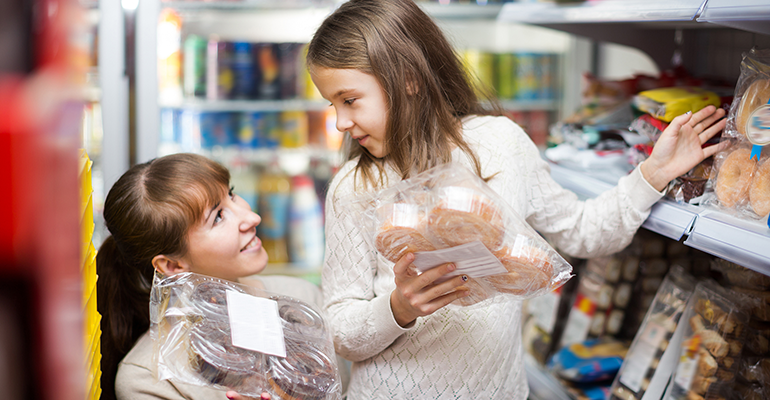
The report, conducted for the German Federal Ministry of Food and Agriculture (BMEL), examined 6,000 products. The researchers note slow progress in effective reduction efforts by the food industry to ensure healthier options for children, a challenge also seen in other countries around the world.
Children’s food unhealthier than products targeted to adults
The MRI analysis reveals that products explicitly designed for children often contain higher levels of sugar, fat, and salt compared to those marketed to adults. And despite targets to improve their nutritional profile, progress has been slow. Only 14% of soft drinks marketed to children corresponded to the World Health Organization’s (WHO) current nutritional profile model for marketing to children in 2022.
Similarly, breakfast cereals aimed at children have an average sugar content of 17 g per 100 g of product, significantly higher than the overall average for all breakfast cereals. Compared to the 2016 baseline survey, the average sugar content of children’s cereal products was reduced by 39%. However, the WHO's recommendation is to not exceed 12.5 g per 100 g – a target met by less than a quarter (23%) of examined products.
The study also found a significant increase in fat content and an increase in saturated fatty acid content in children’s breakfast cereal in 2022 compared to 2019.
The 2023 product monitoring report shows that the food industry's overall reduction efforts have also been insufficient. Many meat products, including sausages and other processed meats, as well as bread and small pastries, continue to have high levels of salt. This lack of progress is notable given the commitments made under Germany’s National Reduction and Innovation Strategy for Sugar, Fats, and Salt in Processed Products.
Global concerns about high-sugar children’s foods
Concerns about children’s foods are not unique to Germany. As previously reported in Ingredients Network, a 2022 study from the US Center for Science in the Public Interest (CSPI) found that kids’ breakfast products in the US contain as much or more added sugars as some popular desserts.
Further highlighting this problem, a December 2023 UNICEF study revealed that 72% of snacks and finger foods marketed for children under three in Southeast Asia contain added sugars and sweeteners. This study, which assessed over 1,600 products across seven countries, found that nearly half included added sugars, and more than one-third had higher-than-recommended sodium levels. Additionally, almost 90% of product labels featured potentially misleading claims about their nutritional value.
Misleading claims and bright packaging
Misleading claims are another persistent and widespread concern that also affect the youngest demographics. Last year, Ingredients Network reported misleading nutrition claims on baby and toddler food and drink products. According to research by UK public health campaign group Action on Sugar, many products marketed as having ‘no added sugars’ or ‘only naturally occurring sugars’ actually contain added sugars from fruit juices, concentrates, and purees. For example, Ella’s Kitchen’s banana, apple & blueberry baby rice had the highest sugar per serving with 14.5 g, equivalent to four teaspoons of sugar per pouch.
Earlier this year, a report from Bite Back, an organisation led by UK celebrity chef Jamie Oliver, found that 78% of 262 sweet food products sold in the UK with child-appealing packaging were deemed unhealthy due to their fat, salt, or sugar content. The report claims that food companies use bright colours and cartoon characters to attract children to unhealthy snacks. This practice includes brands like Kinder Surprise, M&Ms, and Monster Munch Giants, which use appealing wrappers to mask high sugar and fat content.
The power of children’s marketing on food package was underlined in a study published in PLOS One last year. Researchers examined 5,850 child-relevant packaged foods in Canada and found that 13% displayed child-appealing marketing techniques.
Products with child-appealing packaging were significantly higher in total sugars (14.7 g per 100 g compared to 9 g per 100 g in the total sample) and contained almost twice the amount of free sugars (11.5 g vs 6.2 g per 100 g) compared to those without child-appealing packaging – all while having lower values for other nutrients. The study concluded that unhealthy products with powerful child-appealing marketing are prevalent in the food supply.
Stricter regulation
Several countries have recently introduced regulations aimed at improving the nutritional quality of foods marketed to children and reducing their exposure to unhealthy food marketing.
The US introduced new nutrition standards for school meals in April this year, set to be implemented gradually from 2025 to 2027. These standards include limits on added sugars in school meals, a reduction in sodium content, and a continued emphasis on whole grains.
Last year, Canada updated its policy to restrict the advertising of foods high in sodium, sugars, and saturated fat to children. This initiative aims to reduce children’s exposure to unhealthy food advertising across various media platforms, including television, social media, and online games. The regulation is part of Health Canada’s comprehensive Healthy Eating Strategy, which supports parents and caregivers in selecting and providing healthy meals and snacks for children.
The WHO has also taken significant steps in this area. In 2022, the WHO released new guidelines recommending that governments worldwide implement policies to monitor and restrict the marketing of unhealthy foods and beverages to children. These guidelines aim to protect children from the harmful effects of aggressive food marketing practices.

Get more of our news on Google
Set Ingredients Network as a 'Preferred Source' to get quicker access to the news you value.
Related news

Do the US dietary guidelines put UPFs under pressure?
10 Sep 2026
Will the US dietary guidelines change the way Americans eat, swapping ultra-processed foods for whole foods? We asked Dr Barry Popkin, renowned nutrition and obesity researcher.
Read more
Food fraud costs UK economy £2bn each year
9 Sep 2026
Food fraud is costing the UK economy up to £2 billion (€2.3 billion) every year although the food sector is more “resilient” than others, according to a recent study.
Read more
Kellogg accelerates work to remove artificial colours from all US cereals
3 Sep 2026
WK Kellogg has announced an accelerated timeline to eliminate all artificial colours and the chemical preservative, BHT, across its full US portfolio of cereals and cereal packaging.
Read more
Skimpflation: An ‘unfair’ and risky approach to keeping prices low
2 Sep 2026
Consumers see skimpflation – reducing the quality of ingredients due to rising costs – as more unfair than shrinkflation, making it a risky strategy according to recent research.
Read more
NielsenIQ’s EU barometer shows Britain leading in grocery inflation
31 Aug 2026
Britain was the only country to record grocery inflation above 2%, according to NielsenIQ data that compared Europe’s five biggest grocery markets from February to May 2026.
Read more
‘Urgent gaps’ in achieving 2030 food system goals
27 Aug 2026
Global food systems are failing to meet 2030 targets across indicators including health, environment, and resilience, according to a report co-authored by the Food and Agriculture Organisation (FAO).
Read more
Chimac’s fusion sauces bring Korean flavours to Europe
25 Aug 2026
Irish sauce brand Chimac is tapping into Korea’s culinary traditions, bringing its flavours and products to European consumers who want a taste of K-food.
Read more
Global demand for instant noodles continues to rise
24 Aug 2026
Global demand for instant noodles reached 124.21 billion servings last year, representing a 0.7% year-on-year increase – or 900 million extra servings.
Read more
Popular barbecue staples experience sharp price increases
19 Aug 2026
The typical cost of US shoppers’ barbecue baskets has risen by 12% over the past year – the fastest annual rise in a decade, figures from The Economist show.
Read more
Hot NPD: Nissin launches first cold-water Cup Noodles
18 Aug 2026
Nissin is taking one of Japan’s most iconic instant meals in a completely new direction with the launch of the first cold water-only Cup Noodles in the brand’s 55-year history.
Read more