
Ingredients Categories
Finished Products
Finished Food Categories
- Bakery
- Beverages / Juices
- Cereal and grain products
- Confectionery
- Cooking Fats & Oils
- Dairy
- Egg products
- Fruits & Vegetables
- Infant & Baby food
- Meat, Poultry & Fish
- Nuts & Seeds products
- Other Finished Food Categories
- Pet Food
- Plant-based foods
- Prepared foods
- Sauces & Seasonings
- Sweet & Savoury Spreads
Specialised Finished Products
- Bee products
- Biotic products
- Dietary supplements
- Energy drinks
- Functional beverages
- Functional confectionery
- Functional food
- Functional powders
- Meal replacement products
- Nutricosmetics
- Other Specialised Finished Products
- Pet Dietary Supplements
- Pharma and OTC products
- Protein products
- Sugar replacers / Sweeteners
Health & Wellness Areas
Delivery Formats
Operations & Services
- 3D printing
- Analysis/ Testing
- Auditing & certifications
- Blending & mixing
- Bottling
- Certification
- Clinical trials
- Co-packing
- Coating
- Consulting
- Contract manufacturing
- Drying
- Electrospinning
- Encapsulating
- Enzymatic processing
- Extracting
- Extrusion
- Fat structuring
- Fermentation
- Filling
- Flavour development
- Freeze drying
- Granulating/ grinding/ milling / mixing
- High-pressure processing
- Labelling
- Other Operations & Services
- Packaging
- Packet filling
- Pasturising
- Quality assurance
- Saccharification
- Shear cell processing
- Spray drying
- Sterilisation
- Storage & Logistics
- Tabletting
- Toasting / roasting
- Ultra-high temperature processing
News
Hot NPD: Nissin launches first cold-water Cup Noodles
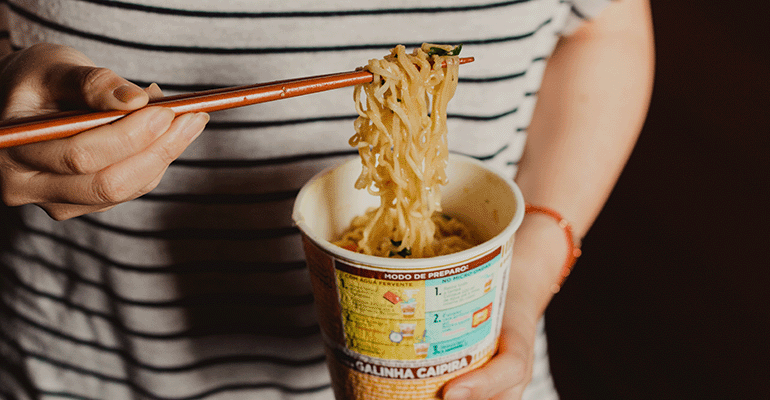
David Burrows, Freelance Journalist 18 Aug 2026Nissin is taking one of Japan’s most iconic instant meals in a completely new direction with the launch of the first cold water-only Cup Noodles in the brand’s 55-year history.
Cup Noodles launched in 1971 as the world’s first cup-style instant noodle product. It has since become one of the most recognisable instant food brands worldwide, with countless flavours released over the decades.
At a glance:
- Nissin has launched the first cold-water Cup Noodles.
- The innovation was five years in the making; the company’s “cold rehydrate” manufacturing process has been patented.
- Convenience and climate change consumption patterns are at the heart of the innovation.
However, with record-breaking heatwaves becoming common in recent years, the popularity of cold snacks has been rising. Nissin has been working for five years on how to tap into this trend.
In July, it launched two Chilled Cup Noodle varieties – spicy kimchi and chicken salt lemon – nationwide in Japan.
‘Cold rehydrate’ method: Noodles ready in five minutes
At the heart of the new instant snacks is the patented “cold rehydrate” method. This ensures the noodles rehydrate in cold water in around five minutes, so slightly longer than the hot versions.
The new method helps “achieve a firm, springy, and smooth texture simply by pouring in water chilled in the refrigerator and waiting five minutes. There is no need to prepare hot water or ice, allowing you to enjoy a refreshingly cool meal perfect for hot days”, the company said in a press statement.
The spicy kimchi version features a chicken-based umami broth, while the chicken salt lemon offers “a refreshing taste, combining the savoury flavours of chicken, bonito, and dried sardine (niboshi) with the crisp aroma of lemon”.
As some commentators noted, this NPD “breaks one of ramen’s biggest rules… no boiling water”.
Breakthrough on cold convenience as temperatures climb
The breakthrough is also an example of a food company adapting to a changing climate and the changing consumer patterns that are beginning to come through as a result.
The Financial Times noted that the launch “appears timed to perfection”, coming in the same week that Japan’s Meteorological Agency released a three-month forecast promising another scorching summer.
In April, Japan’s weather agency formally adopted a term for “severely hot day” – kokushobi.
As one expert noted on social media: “Sometimes, innovation isn't about creating something completely new. It's about rethinking something everyone already knows.”
Bela Schweiger, chief executive at Sans Frontier, which provides expertise to brands looking to enter the Japanese market, and adjunct professor at Temple University Japan, explained: “Japanese innovation in every nook and cranny of life is solution, and inconvenience elimination oriented.
“Cold noodles as a summertime tradition have been around for at least 600–700 years, depending on the specific type. Perhaps it was time someone came up with a convenient way to enjoy it.”
Mordor Intelligence has forecast the global instant noodles market size to grow from $55.68 billion in 2026 to $87.21 billion by 2031, a CAGR of 9.39% during the five-year period.
Growth is being fuelled by rising demand for affordable and convenient meal solutions, increasing urbanisation, expansion of e-commerce channels, and growing consumer interest in fortified and premium noodle variants.
“Health-focused products enriched with vitamins, minerals, and protein, alongside sustainable packaging innovations and rapid delivery services, are reshaping the competitive landscape,” the agency concluded.

Get more of our news on Google
Set Ingredients Network as a 'Preferred Source' to get quicker access to the news you value.
Related news

Do the US dietary guidelines put UPFs under pressure?
10 Sep 2026
Will the US dietary guidelines change the way Americans eat, swapping ultra-processed foods for whole foods? We asked Dr Barry Popkin, renowned nutrition and obesity researcher.
Read more
Health and wellness engagement matures across Middle East and Africa
4 Sep 2026
Many consumers in the Middle East and Africa are now proactively engaged in health and wellness, looking to integrate better habits and products into their daily lives, say experts.
Read more
Skimpflation: An ‘unfair’ and risky approach to keeping prices low
2 Sep 2026
Consumers see skimpflation – reducing the quality of ingredients due to rising costs – as more unfair than shrinkflation, making it a risky strategy according to recent research.
Read more
‘Urgent gaps’ in achieving 2030 food system goals
27 Aug 2026
Global food systems are failing to meet 2030 targets across indicators including health, environment, and resilience, according to a report co-authored by the Food and Agriculture Organisation (FAO).
Read more
Seven-Eleven uses microbial testing tech to extend katsudon shelf life
26 Aug 2026
Japanese retail company Seven-Eleven has improved its factory’s microbial environment to keep comfort-food staple, katsudon, fresher for longer.
Read more
Chimac’s fusion sauces bring Korean flavours to Europe
25 Aug 2026
Irish sauce brand Chimac is tapping into Korea’s culinary traditions, bringing its flavours and products to European consumers who want a taste of K-food.
Read more
Global demand for instant noodles continues to rise
24 Aug 2026
Global demand for instant noodles reached 124.21 billion servings last year, representing a 0.7% year-on-year increase – or 900 million extra servings.
Read more
Popular barbecue staples experience sharp price increases
19 Aug 2026
The typical cost of US shoppers’ barbecue baskets has risen by 12% over the past year – the fastest annual rise in a decade, figures from The Economist show.
Read more
Manam Chocolate aims to bring premium Indian cacao to 'the world stage'
11 Aug 2026
Craft chocolate brand Manam Chocolate is investing in local expansion and supply chain innovation throughout India as it works to build out the premium reputation of its locally produced cacao products.
Read more
Savoury protein snacks shake up the on-the-go market
10 Aug 2026
Sweet flavours have dominated the high-protein snack category but savoury snacks, such as cheese bars and meat sticks, can appeal to health-conscious consumers.
Read more