
Ingredients Categories
Finished Products
Finished Food Categories
- Bakery
- Beverages / Juices
- Cereal and grain products
- Confectionery
- Cooking Fats & Oils
- Dairy
- Egg products
- Fruits & Vegetables
- Infant & Baby food
- Meat, Poultry & Fish
- Nuts & Seeds products
- Other Finished Food Categories
- Pet Food
- Plant-based foods
- Prepared foods
- Sauces & Seasonings
- Sweet & Savoury Spreads
Specialised Finished Products
- Bee products
- Biotic products
- Dietary supplements
- Energy drinks
- Functional beverages
- Functional confectionery
- Functional food
- Functional powders
- Meal replacement products
- Nutricosmetics
- Other Specialised Finished Products
- Pet Dietary Supplements
- Pharma and OTC products
- Protein products
- Sugar replacers / Sweeteners
Health & Wellness Areas
Delivery Formats
Operations & Services
- 3D printing
- Analysis/ Testing
- Auditing & certifications
- Blending & mixing
- Bottling
- Certification
- Clinical trials
- Co-packing
- Coating
- Consulting
- Contract manufacturing
- Drying
- Electrospinning
- Encapsulating
- Enzymatic processing
- Extracting
- Extrusion
- Fat structuring
- Fermentation
- Filling
- Flavour development
- Freeze drying
- Granulating/ grinding/ milling / mixing
- High-pressure processing
- Labelling
- Other Operations & Services
- Packaging
- Packet filling
- Pasturising
- Quality assurance
- Saccharification
- Shear cell processing
- Spray drying
- Sterilisation
- Storage & Logistics
- Tabletting
- Toasting / roasting
- Ultra-high temperature processing
News
Mondelēz International invests $5 million in Pakistan
Natasha Spencer-Jolliffe, Freelance Journalist 16 Jul 2024The leader in food, snacking, and confectionery is putting $5 million into its Pakistan subsidiary, an emerging market in Asia, to grow its localisation and exports.
In a year when Mondelēz International has experienced currency challenges, the food giant has spotted the opportunity to localise 50% of its raw materials. The only exception is cocoa beans, which are not locally harvested.
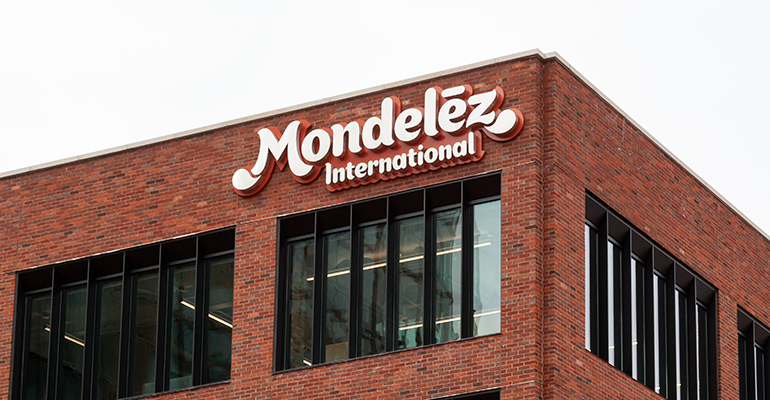
The company defines raw materials as the essential ingredients and production components used to make food, snacks, and confectionery items. These raw materials include cocoa, dairy ingredients, sugar, flour, nuts, and packaging materials.
“Despite facing a challenging and dynamic operating environment, our teams remained focused and agile in executing against our long-term growth strategy,” said Dirk Van de Put, chair and chief executive officer of Mondelēz International.
Localising ingredients
Mondelēz International will inject $5 million (€4.6 mn) in capital to boost its production in Pakistan, growing its presence and operations in the Asian country. “The $5 million investment will prioritise localisation efforts, enhancing production capacity while maintaining high-quality standards,” a spokesperson for Mondelēz International told Ingredients Network.
Mondelēz Pakistan, a subsidiary of Mondelēz International, is the local producer of Cadbury’s chocolate, another subsidiary of the company. Cadbury aims to localise 50% of its production in Pakistan, and in turn, Mondelēz Pakistan plans to increase its current localisation from 22% to 50%, amounting to half of its total operations.
“We aim to reduce reliance on imported raw materials by increasing local sourcing to 50% by 2025, thereby strengthening our supply chain,” Mondelēz’s spokesperson said.
The multi-million cash injection will be in addition to the existing 55% of local materials that Mondelēz has sourced for over three decades, since it set up these supply chain operations in Pakistan in 1992. Moving forward on its localisation plans, as of March 2024, the company had localised 22% of its Pakistan raw material imports. With the investment, Mondelēz also aims to support local industries, generate employment, and contribute to economic development.
Pakistan is a key emerging market
Achieving continued momentum in emerging markets is one of Mondelēz’s first-quarter 2024 milestones, as reported by the company in a 2024 report. “We posted solid top-line results coupled with robust earnings and free cash flow generation in the first quarter driven by strong pricing execution, effective cost management, and emerging market momentum,” added Van de Put.
Pakistan is one of these emerging markets, and the company’s investment in the country is part of its broader ongoing plan to invest in emerging markets throughout the globe. Emerging markets made up 39% of Mondelēz’s total revenue in the first, second, and third quarters of 2023.
Enhancing export opportunities
Mondelēz Pakistan’s two manufacturing plants in Hub, Baluchistan, produce 100% of their products locally, generating employment opportunities for around 3,000 individuals in the surrounding region. The company exports some of these to Gulf Cooperation Countries (GCC), such as Qatar and Saudi Arabia, intending to expand its global reach.
“This investment provides opportunities to enhance supply chain resilience through increased local sourcing, support the growth of local industries, and expand our export capabilities,” the spokesperson for Mondelēz said.
Mondelēz Pakistan plans to double its export volume to GCC countries by 2025 and explore new international markets. The company hopes its investment will create jobs and boost local businesses, contributing to Pakistan’s economic growth and stability.
Building sustainable brands and operations
The food giant’s localisation investment comes alongside its efforts to improve the sustainability of its operations in Pakistan. To overcome the currency challenges Mondelēz has experienced over the past year and bolster its export potential, Mondelēz is also capitalising on the country’s strong manufacturing capabilities.
Today, Mondelēz Pakistan manufactures around 12 of its branded products in the local market. The subsidiary’s popular snacking and confectionery brands include Cadbury and biscuit brands such as Oreo, Tuck and Lu.
Mondelēz Pakistan has a global turnover of $36 billion (€33 bn) and is investing in new and cross-industry collaborations to appeal to more international consumers and markets. In June 2024, Mondelēz teamed up with Lotus Bakeries to elevate brand awareness of Lotus Bakeries’ leading Biscoff cookie brand in India and produce new co-branded chocolate products in Europe.

Get more of our news on Google
Set Ingredients Network as a 'Preferred Source' to get quicker access to the news you value.
Related news

Do the US dietary guidelines put UPFs under pressure?
10 Sep 2026
Will the US dietary guidelines change the way Americans eat, swapping ultra-processed foods for whole foods? We asked Dr Barry Popkin, renowned nutrition and obesity researcher.
Read more
Skimpflation: An ‘unfair’ and risky approach to keeping prices low
2 Sep 2026
Consumers see skimpflation – reducing the quality of ingredients due to rising costs – as more unfair than shrinkflation, making it a risky strategy according to recent research.
Read more
‘Urgent gaps’ in achieving 2030 food system goals
27 Aug 2026
Global food systems are failing to meet 2030 targets across indicators including health, environment, and resilience, according to a report co-authored by the Food and Agriculture Organisation (FAO).
Read more
Seven-Eleven uses microbial testing tech to extend katsudon shelf life
26 Aug 2026
Japanese retail company Seven-Eleven has improved its factory’s microbial environment to keep comfort-food staple, katsudon, fresher for longer.
Read more
Chimac’s fusion sauces bring Korean flavours to Europe
25 Aug 2026
Irish sauce brand Chimac is tapping into Korea’s culinary traditions, bringing its flavours and products to European consumers who want a taste of K-food.
Read more
Global demand for instant noodles continues to rise
24 Aug 2026
Global demand for instant noodles reached 124.21 billion servings last year, representing a 0.7% year-on-year increase – or 900 million extra servings.
Read more
China beverages: Is herbal innovation the future?
20 Aug 2026
Herbal and botanical innovation in China's drinks market continues to grow, with ingredients like astragalus root, ginger, and ginseng in the spotlight – and focus shifting far beyond refreshment.
Read more
Popular barbecue staples experience sharp price increases
19 Aug 2026
The typical cost of US shoppers’ barbecue baskets has risen by 12% over the past year – the fastest annual rise in a decade, figures from The Economist show.
Read more
Hot NPD: Nissin launches first cold-water Cup Noodles
18 Aug 2026
Nissin is taking one of Japan’s most iconic instant meals in a completely new direction with the launch of the first cold water-only Cup Noodles in the brand’s 55-year history.
Read more
Manam Chocolate aims to bring premium Indian cacao to 'the world stage'
11 Aug 2026
Craft chocolate brand Manam Chocolate is investing in local expansion and supply chain innovation throughout India as it works to build out the premium reputation of its locally produced cacao products.
Read more