
Ingredients Categories
Finished Products
Finished Food Categories
- Bakery
- Beverages / Juices
- Cereal and grain products
- Confectionery
- Cooking Fats & Oils
- Dairy
- Egg products
- Fruits & Vegetables
- Infant & Baby food
- Meat, Poultry & Fish
- Nuts & Seeds products
- Other Finished Food Categories
- Pet Food
- Plant-based foods
- Prepared foods
- Sauces & Seasonings
- Sweet & Savoury Spreads
Specialised Finished Products
- Bee products
- Biotic products
- Dietary supplements
- Energy drinks
- Functional beverages
- Functional confectionery
- Functional food
- Functional powders
- Meal replacement products
- Nutricosmetics
- Other Specialised Finished Products
- Pet Dietary Supplements
- Pharma and OTC products
- Protein products
- Sugar replacers / Sweeteners
Health & Wellness Areas
Delivery Formats
Operations & Services
- 3D printing
- Analysis/ Testing
- Auditing & certifications
- Blending & mixing
- Bottling
- Certification
- Clinical trials
- Co-packing
- Coating
- Consulting
- Contract manufacturing
- Drying
- Electrospinning
- Encapsulating
- Enzymatic processing
- Extracting
- Extrusion
- Fat structuring
- Fermentation
- Filling
- Flavour development
- Freeze drying
- Granulating/ grinding/ milling / mixing
- High-pressure processing
- Labelling
- Other Operations & Services
- Packaging
- Packet filling
- Pasturising
- Quality assurance
- Saccharification
- Shear cell processing
- Spray drying
- Sterilisation
- Storage & Logistics
- Tabletting
- Toasting / roasting
- Ultra-high temperature processing
News
Plastic packaging toxicity a ‘ticking timebomb’ for FMCG companies
David Burrows, Freelance Journalist 1 Dec 2025Studies on the toxicity of plastic have spiked in the past decade – and the evidence points to a “ticking timebomb” for manufacturers and consumers alike, an analysis suggests.
Underlying chemical components for almost half (45%) the additives analysed could not be identified, according to the non-profit financial think tank Planet Tracker and the Safer Chemistry Impact Fund, a blended capital fund, which carried out the research.
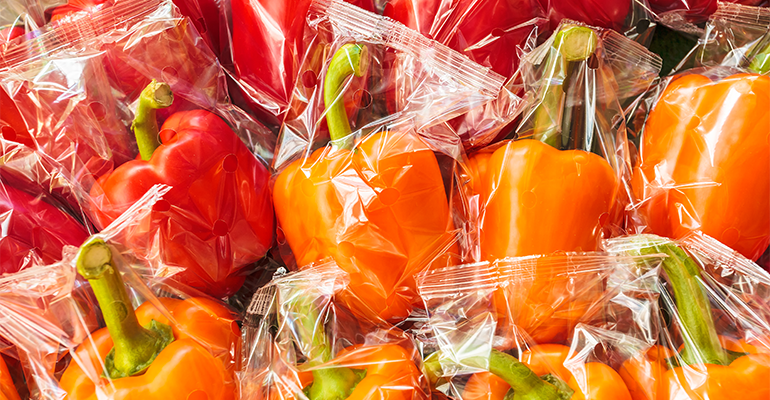
They assessed publicly available data to determine the hazard profile of 18,020 plastic additive products produced by 100 major plastic companies. Among the chemicals that could be identified, one in four (25%) scored in the most hazardous categories – including bisphenols and PFAS, so-called forever chemicals.
And as many as 11% of identified additives contained chemicals for which there is no available data on their potential harms, presenting “future financially material risk”, the researchers warned.
“Investors and the public can only see surface-level risks from hazardous chemicals in plastic additives due to insufficient research and limited transparency from plastic companies,” said Richard Wielechowski, senior analyst at Planet Tracker. “What lies beneath could be a ticking timebomb for corporates using plastics and their investors.”
‘Significant data gaps’ on many chemicals
Chemicals are used in plastic packaging to provide flexibility, colouring, fillers, and durability against heat or sunlight.
The researchers used the non-profit ChemFORWARD’s toxicology reports, which score chemicals on factors including human health impacts such as links to cancer, and environmental outcomes including effects on climate and toxicity to biodiversity.
Chemicals are assigned to one of eight different bands that offer a summary of the overall hazard profile, ranging from A (lowest hazard) to F (highest hazard).
“Our analysis underlines the significant data gaps on many chemicals,” their report, Toxic additives: Analysing product portfolio risk, read.
Planet Tracker wants to see more companies “pushed” to undertake more studies and publish more data on their products. Indeed, the think tank warned that the risks for fast-moving consumer goods (FMCG) companies are real and rising – especially as scientific analysis of the chemical components in packaging, including that used for food and drink, increases.
Plastic additive risks ‘particularly important’ for manufacturers
The researchers, who also produced an assessment of the top 30 plastic suppliers’ product portfolios by hazard band, said the potential health and environmental risks of plastic additives are “particularly important” for the companies manufacturing the additives.
However, FMCG companies like Nestlé, Unilever, and Coca-Cola are also exposed by this lack of transparency.
“As an end user of plastics, do they know what is actually in the plastic bottle or wrap they use for
their product?” the researchers asked.
“Are they certain they are not, unintentionally, using plastic with additives already known to be hazardous or for which there is currently no data? Although they might not hold direct responsibility for these additives, we see a significant risk to their brands if it turns out their packaging was toxic.”
Tracking chemical exposure
The report points to the growing academic focus on plastic toxicity.
A study published in the journal Nature in July identified 16,325 chemicals associated with plastics, which is more than previously known. This included 5,776 additives, 3,498 processing aids, 1,975 starting substances, and 1,788 non-intentionally added substances.
Around 4,200 of the chemicals are “of concern” due to their known intrinsic properties that present human or environmental health hazards.
The researchers, from the Food Packaging Forum and the Norwegian University of Science and Technology, also found that chemicals of concern can be present in and migrate from all major plastic types, including food packaging.
“There is a lot of momentum to make plastics safer,” said lead author Laura Monclús, from the Norwegian Geotechnical Institute. “Our study provides the scientific evidence needed to achieve that goal and better protect human health and the environment from chemicals of concern in plastics.”
The team proposed the removal of known chemicals of concern.
“Disclosing the chemical composition and simplifying the formulation of plastics can provide pathways towards this goal,” they wrote.
When significant health impacts from chemicals are identified, regulators move to prohibit their use and lack of compliance can result in costly legal action for the companies involved.
Bill Walsh, fund director at Safer Chemistry Impact Fund, encouraged investors to assess the companies they are backing.
“Just as standardised carbon accounting metrics have become a means by which investors can evaluate a company’s success in identifying, reducing, and tracking greenhouse gas emissions, there are now reliable and practical metrics that investors can use to understand how well a company is identifying, reducing, and replacing high hazard chemicals with safer solutions,” he explained.

Get more of our news on Google
Set Ingredients Network as a 'Preferred Source' to get quicker access to the news you value.
Related news

M&S launches own-brand pet food range
11 Sep 2026
UK retailer Marks & Spencer has launched its own-brand pet food line Paws & Pals – a well-timed and strategic move that will appeal to loyal shoppers, says a marketing expert.
Read more
Do the US dietary guidelines put UPFs under pressure?
10 Sep 2026
Will the US dietary guidelines change the way Americans eat, swapping ultra-processed foods for whole foods? We asked Dr Barry Popkin, renowned nutrition and obesity researcher.
Read more
Food fraud costs UK economy £2bn each year
9 Sep 2026
Food fraud is costing the UK economy up to £2 billion (€2.3 billion) every year although the food sector is more “resilient” than others, according to a recent study.
Read more
Kellogg accelerates work to remove artificial colours from all US cereals
3 Sep 2026
WK Kellogg has announced an accelerated timeline to eliminate all artificial colours and the chemical preservative, BHT, across its full US portfolio of cereals and cereal packaging.
Read more
‘Urgent gaps’ in achieving 2030 food system goals
27 Aug 2026
Global food systems are failing to meet 2030 targets across indicators including health, environment, and resilience, according to a report co-authored by the Food and Agriculture Organisation (FAO).
Read more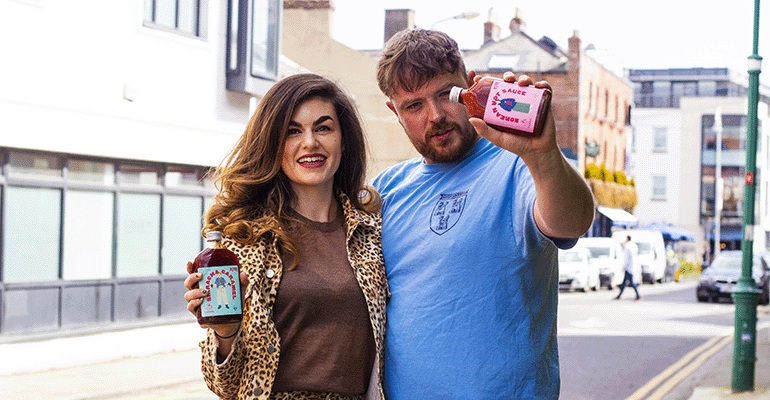
Chimac’s fusion sauces bring Korean flavours to Europe
25 Aug 2026
Irish sauce brand Chimac is tapping into Korea’s culinary traditions, bringing its flavours and products to European consumers who want a taste of K-food.
Read more
Savoury protein snacks shake up the on-the-go market
10 Aug 2026
Sweet flavours have dominated the high-protein snack category but savoury snacks, such as cheese bars and meat sticks, can appeal to health-conscious consumers.
Read more
Nestlé invests in regeneratively farmed wheat for KitKat
5 Aug 2026
Nestlé will pay a premium for Wildfarmed’s regeneratively farmed wheat but the CPG remains reticent to promote the move on packs of its KitKat bars.
Read more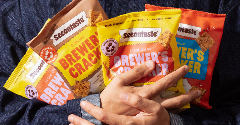
How Secon Taste is putting upcycled snacks on shelves
4 Aug 2026
Hungarian zero-waste startup Secon Taste is turning surplus food into upcycled snacks such as fibre-packed granola, instant porridge, and a circular coffee-tasting box.
Read more
Codex sets global thresholds for ‘may contain’ labels
3 Aug 2026
Codex Alimentarius has adopted its first global guidance on when to use “may contain” allergen warnings, setting thresholds intended to stop the label being used as blanket legal cover.
Read more