
Ingredients Categories
Finished Products
Finished Food Categories
- Bakery
- Beverages / Juices
- Cereal and grain products
- Confectionery
- Cooking Fats & Oils
- Dairy
- Egg products
- Fruits & Vegetables
- Infant & Baby food
- Meat, Poultry & Fish
- Nuts & Seeds products
- Other Finished Food Categories
- Pet Food
- Plant-based foods
- Prepared foods
- Sauces & Seasonings
- Sweet & Savoury Spreads
Specialised Finished Products
- Bee products
- Biotic products
- Dietary supplements
- Energy drinks
- Functional beverages
- Functional confectionery
- Functional food
- Functional powders
- Meal replacement products
- Nutricosmetics
- Other Specialised Finished Products
- Pet Dietary Supplements
- Pharma and OTC products
- Protein products
- Sugar replacers / Sweeteners
Health & Wellness Areas
Delivery Formats
Operations & Services
- 3D printing
- Analysis/ Testing
- Auditing & certifications
- Blending & mixing
- Bottling
- Certification
- Clinical trials
- Co-packing
- Coating
- Consulting
- Contract manufacturing
- Drying
- Electrospinning
- Encapsulating
- Enzymatic processing
- Extracting
- Extrusion
- Fat structuring
- Fermentation
- Filling
- Flavour development
- Freeze drying
- Granulating/ grinding/ milling / mixing
- High-pressure processing
- Labelling
- Other Operations & Services
- Packaging
- Packet filling
- Pasturising
- Quality assurance
- Saccharification
- Shear cell processing
- Spray drying
- Sterilisation
- Storage & Logistics
- Tabletting
- Toasting / roasting
- Ultra-high temperature processing
News
Protein-boosted ready-to-drink beverages expand beyond shakes
Simon Pitman, Freelance Journalist 26 Nov 2024Diets such as keto or Atkins may have paved the way to promote a higher protein intake. Now, the high-protein trend has gone mainstream, penetrating the ready-to-drink-beverage market.
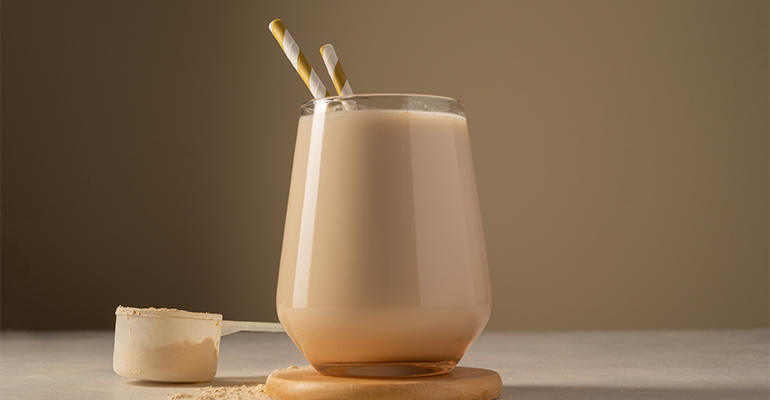
This trend has led many consumers to look for options to give their protein intake a boost, and ready-to-drink beverage makers have been responding with increasingly innovative solutions.
A report by food giant Cargill points to the fact that a younger generation of consumers, namely Generation Z and Millennials, is the driving force behind the trend for higher protein intake. The report also emphasises how globally inspired flavours and convenience are at the top of the protein wish list.
Kerry Health and Nutrition Institute earmarked protein intake as being one of the top ten trends to drive the food industry during 2024, with increased demand likely to be met thanks to advancements in microbiology, bioprocessing, and artificial intelligence resulting in precision fermented and enzyme engineered proteins, not to mention lab grown meats.
The ready-to-drink protein beverage market is poised for growth
While the conventional form of protein beverages has been the popular shake format marketed toward the gym-goer or as a meal replacement product, manufacturers are looking to respond to increasing demand by giving consumers more choices, including consumers who are just looking to improve their daily protein intake as part of their busy daily routine.
According to Straits Research, consumers' continued interest and awareness of health means that protein offerings are branching out beyond the conventional protein shakes, to include plant-based protein drinks, as well as organic and clean label offerings.
The report finds that the global ready-to-drink protein beverage market was valued at $1.75 billion in 2023 and is forecast to record CAGR of 7.5% to reach an estimated $3.32 billion by 2032 – underlining market growth at well above the average industry growth rate.
“The ready-to-drink protein beverage market grew significantly due to consumers' increasingly hectic and fast-paced lifestyles, which prompted them to opt for quick and nutritious meal options. This has led to the proliferation of RTD shakes that provide nutrient-rich beverages and encourage active lifestyles,” the Straits Research report states.
While the market for protein ready-to-drink beverages has been dominated by both North America and Asia Pacific, consumers in other global markets, including Europe and Latin America, are also showing more interest in the category, reflected by increased launch activity.
Ready-to-drink category gets the protein treatment
While protein shakes have proven to be immensely popular in recent years, particularly with individuals who follow intensive exercise routines, adding proteins to a wider variety of other ready-to-drink beverages offers consumers a wider choice of products, which are often accompanied by health and wellness claims.
This has led to a flurry of protein-enriched beverage launches that include coffee, malt, and energy formats, all aimed at appealing to a wider selection of younger consumers.
This past summer Starbucks made a big splash by launching a ready-to-drink high-protein coffee range in partnership with dairy giant Arla. The range packs 20 g of protein per bottle, comes in three flavours, and contains a blend of Starbucks arabica coffee, Arla low-fat milk and no added sugar. It was launched in the UK initially and will be launched in the EMEA next year.
UK-based Biotiful Gut Health has recently launched a high-protein range of Kefir drinks that also boasts 20 g of natural protein. It comes in three flavours, with the addition of live cultures, B12, and calcium for immunity support. The company is marketing the drink as a pre-or post-work-out drink or as a power snack.
In Latin America, Chile-based NotCo has launched its range of Not Shake Protein beverages, which targets the sports nutrition category. While the range is dairy-free, it is also sugar-free and comes in interesting flavour options, including cinnamon and strawberry, dates, and banana pancake.

Get more of our news on Google
Set Ingredients Network as a 'Preferred Source' to get quicker access to the news you value.
Related news

Do the US dietary guidelines put UPFs under pressure?
10 Sep 2026
Will the US dietary guidelines change the way Americans eat, swapping ultra-processed foods for whole foods? We asked Dr Barry Popkin, renowned nutrition and obesity researcher.
Read more
Skimpflation: An ‘unfair’ and risky approach to keeping prices low
2 Sep 2026
Consumers see skimpflation – reducing the quality of ingredients due to rising costs – as more unfair than shrinkflation, making it a risky strategy according to recent research.
Read more
‘Urgent gaps’ in achieving 2030 food system goals
27 Aug 2026
Global food systems are failing to meet 2030 targets across indicators including health, environment, and resilience, according to a report co-authored by the Food and Agriculture Organisation (FAO).
Read more
Seven-Eleven uses microbial testing tech to extend katsudon shelf life
26 Aug 2026
Japanese retail company Seven-Eleven has improved its factory’s microbial environment to keep comfort-food staple, katsudon, fresher for longer.
Read more
Chimac’s fusion sauces bring Korean flavours to Europe
25 Aug 2026
Irish sauce brand Chimac is tapping into Korea’s culinary traditions, bringing its flavours and products to European consumers who want a taste of K-food.
Read more
Global demand for instant noodles continues to rise
24 Aug 2026
Global demand for instant noodles reached 124.21 billion servings last year, representing a 0.7% year-on-year increase – or 900 million extra servings.
Read more
China beverages: Is herbal innovation the future?
20 Aug 2026
Herbal and botanical innovation in China's drinks market continues to grow, with ingredients like astragalus root, ginger, and ginseng in the spotlight – and focus shifting far beyond refreshment.
Read more
Popular barbecue staples experience sharp price increases
19 Aug 2026
The typical cost of US shoppers’ barbecue baskets has risen by 12% over the past year – the fastest annual rise in a decade, figures from The Economist show.
Read more
Hot NPD: Nissin launches first cold-water Cup Noodles
18 Aug 2026
Nissin is taking one of Japan’s most iconic instant meals in a completely new direction with the launch of the first cold water-only Cup Noodles in the brand’s 55-year history.
Read more
Manam Chocolate aims to bring premium Indian cacao to 'the world stage'
11 Aug 2026
Craft chocolate brand Manam Chocolate is investing in local expansion and supply chain innovation throughout India as it works to build out the premium reputation of its locally produced cacao products.
Read more