
Ingredients Categories
Finished Products
Finished Food Categories
- Bakery
- Beverages / Juices
- Cereal and grain products
- Confectionery
- Cooking Fats & Oils
- Dairy
- Egg products
- Fruits & Vegetables
- Infant & Baby food
- Meat, Poultry & Fish
- Nuts & Seeds products
- Other Finished Food Categories
- Pet Food
- Plant-based foods
- Prepared foods
- Sauces & Seasonings
- Sweet & Savoury Spreads
Specialised Finished Products
- Bee products
- Biotic products
- Dietary supplements
- Energy drinks
- Functional beverages
- Functional confectionery
- Functional food
- Functional powders
- Meal replacement products
- Nutricosmetics
- Other Specialised Finished Products
- Pet Dietary Supplements
- Pharma and OTC products
- Protein products
- Sugar replacers / Sweeteners
Health & Wellness Areas
Delivery Formats
Operations & Services
- 3D printing
- Analysis/ Testing
- Auditing & certifications
- Blending & mixing
- Bottling
- Certification
- Clinical trials
- Co-packing
- Coating
- Consulting
- Contract manufacturing
- Drying
- Electrospinning
- Encapsulating
- Enzymatic processing
- Extracting
- Extrusion
- Fat structuring
- Fermentation
- Filling
- Flavour development
- Freeze drying
- Granulating/ grinding/ milling / mixing
- High-pressure processing
- Labelling
- Other Operations & Services
- Packaging
- Packet filling
- Pasturising
- Quality assurance
- Saccharification
- Shear cell processing
- Spray drying
- Sterilisation
- Storage & Logistics
- Tabletting
- Toasting / roasting
- Ultra-high temperature processing
News
Reviving childhood favourites: Healthier twists on classic snacks
Tessa Wiles, Content Editor - Food 20 Feb 2024Consumers are increasingly leaning on brands for comfort and familiarity - a trend US-based brand Justin’s is tapping into. With its recent launch of Chocolate Candy Pieces, Justin’s is drawing on nostalgic marketing trends, while incorporating better-for-you ingredients.
Justins, known for its natural and organic nut butters and peanut butter cups, offers a cleaner alternative to conventional chocolate candies. Inspired by the appeal of childhood classics, Justins claims to provide consumers with a “clean swap for a nostalgic favourite,” catering to the growing demand for nostalgic foods in today's market.
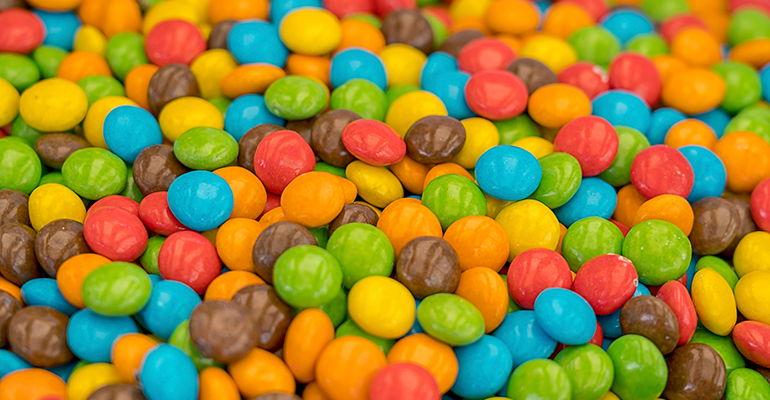
The candy pieces, available in two varieties—dark chocolate peanut and dark chocolate peanut butter—are USDA organic certified, non-GMO Project verified, and kosher. Made with Rainforest Alliance cocoa and natural colourings from organic fruits and vegetables (blackcurrant, carrot, spirulina, and turmeric), the candies contain no synthetic dye, stevia, or artificial sweeteners.
These treats will be initially available at select retailers in the US, including Amazon, Stop & Shop, The Fresh Market, and Whole Foods Markets, with plans for national distribution expansion in the future.
Consumers are embracing tradition while reaching for better-for-you options
By infusing childhood favourites with organic ingredients and obtaining various certifications, the candy pieces reflect the broader movement of consumers embracing classic products in healthier ways.
Insights from Innova Market Insights' 2023 report on better-for-you snacking highlights this trend, revealing one-quarter of individuals have increased their consumption of snacks that are free from or have reduced levels of certain ingredients, supporting the growing popularity of claims like no added sugar and reduced sugar. In addition, over 60% of consumers globally eat healthy snacks daily, and around 61% always look for healthier snack options.
Meeting consumers' emotional needs through nostalgia marketing
In a time marked by global crises, and inflation, consumers are leaning on brands for comfort and familiarity, according to Mintel. In the UK 76% of consumers are drawn to sweets that remind them of their childhood, while in the US 76% use sugar and gum confectionery as a mood improver.
 © iStock/romrodinka
“Nostalgia is a strong marketing tactic, especially in these times when consumers are feeling uncertain and overwhelmed,” said Melanie Bartelme, associate director of food & drink at Mintel, speaking to Ingredients Network. “Things that recall our childhoods, when things were presumably less stressful, can provide a sense of peace and calm to help consumers feel grounded in the now they can't control.”
Bartelme explained that Justins, like brands before, is taking the approach of tapping into this emotional connection.
Brands need to ensure their nostalgia marketing appeals to various age groups
“What's interesting about nostalgia is that consumers do not all have the same memories or experiences, so it's important to make sure that products being marketed through nostalgia campaigns aren't one-dimensional,” Bartelme explained. Nostalgia can resonate with consumers who have ties to the past with a brand or product type, but there are also opportunities to offer something new to consumers who may be seeing the product for the first time, she said.
According to Bartelme, Dunkaroos, a staple snack in the 1990s, is a good example of a multi-dimensional campaign. “When these cookies came back a few years ago, they [Betty Crocker] created a merchandise line and drew on '90s themes to attract the consumers who had grown up with the originals. At the same time, they did not neglect the opportunity to position themselves as a tasty treat that can feel tempting to any consumer looking for a sweet snack.”
Discussing the future of nostalgia marketing and how brands can leverage this consumer sentiment in their strategies, Bartleme said: “Nostalgia will always have a place in marketing, but it does tend to find the most reach during times of stress and anxiety, such as during COVID or during an election year. In times of greater consumer confidence and peace, consumers may be more interested in breaking out of the past and seeking the new.”
However, Bartleme added: “These days, though, it has seemed like this sense of peace has not truly come back, so in the coming years, we may see brands looking to innovate in what nostalgia can mean. For example, after we returned to the office, some consumers longed for the ‘comfort’ of pandemic-era habits like baking bread. It'll be important to read into the cultural zeitgeist of the days ahead to ensure the times brands are drawing from are truly those that consumers want to remember.”

Get more of our news on Google
Set Ingredients Network as a 'Preferred Source' to get quicker access to the news you value.
Related news

Do the US dietary guidelines put UPFs under pressure?
10 Sep 2026
Will the US dietary guidelines change the way Americans eat, swapping ultra-processed foods for whole foods? We asked Dr Barry Popkin, renowned nutrition and obesity researcher.
Read more
Food fraud costs UK economy £2bn each year
9 Sep 2026
Food fraud is costing the UK economy up to £2 billion (€2.3 billion) every year although the food sector is more “resilient” than others, according to a recent study.
Read more
Kellogg accelerates work to remove artificial colours from all US cereals
3 Sep 2026
WK Kellogg has announced an accelerated timeline to eliminate all artificial colours and the chemical preservative, BHT, across its full US portfolio of cereals and cereal packaging.
Read more
Skimpflation: An ‘unfair’ and risky approach to keeping prices low
2 Sep 2026
Consumers see skimpflation – reducing the quality of ingredients due to rising costs – as more unfair than shrinkflation, making it a risky strategy according to recent research.
Read more
NielsenIQ’s EU barometer shows Britain leading in grocery inflation
31 Aug 2026
Britain was the only country to record grocery inflation above 2%, according to NielsenIQ data that compared Europe’s five biggest grocery markets from February to May 2026.
Read more
‘Urgent gaps’ in achieving 2030 food system goals
27 Aug 2026
Global food systems are failing to meet 2030 targets across indicators including health, environment, and resilience, according to a report co-authored by the Food and Agriculture Organisation (FAO).
Read more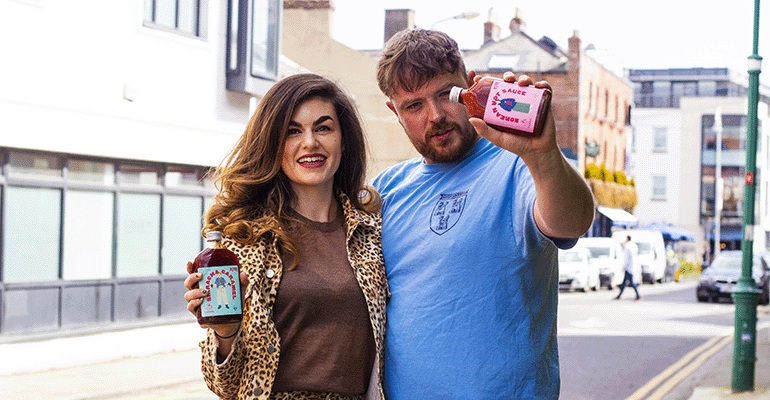
Chimac’s fusion sauces bring Korean flavours to Europe
25 Aug 2026
Irish sauce brand Chimac is tapping into Korea’s culinary traditions, bringing its flavours and products to European consumers who want a taste of K-food.
Read more
Global demand for instant noodles continues to rise
24 Aug 2026
Global demand for instant noodles reached 124.21 billion servings last year, representing a 0.7% year-on-year increase – or 900 million extra servings.
Read more
Popular barbecue staples experience sharp price increases
19 Aug 2026
The typical cost of US shoppers’ barbecue baskets has risen by 12% over the past year – the fastest annual rise in a decade, figures from The Economist show.
Read more
Hot NPD: Nissin launches first cold-water Cup Noodles
18 Aug 2026
Nissin is taking one of Japan’s most iconic instant meals in a completely new direction with the launch of the first cold water-only Cup Noodles in the brand’s 55-year history.
Read more