
Ingredients Categories
Finished Products
Finished Food Categories
- Bakery
- Beverages / Juices
- Cereal and grain products
- Confectionery
- Cooking Fats & Oils
- Dairy
- Egg products
- Fruits & Vegetables
- Infant & Baby food
- Meat, Poultry & Fish
- Nuts & Seeds products
- Other Finished Food Categories
- Pet Food
- Plant-based foods
- Prepared foods
- Sauces & Seasonings
- Sweet & Savoury Spreads
Specialised Finished Products
- Bee products
- Biotic products
- Dietary supplements
- Energy drinks
- Functional beverages
- Functional confectionery
- Functional food
- Functional powders
- Meal replacement products
- Nutricosmetics
- Other Specialised Finished Products
- Pet Dietary Supplements
- Pharma and OTC products
- Protein products
- Sugar replacers / Sweeteners
Health & Wellness Areas
Delivery Formats
Operations & Services
- 3D printing
- Analysis/ Testing
- Auditing & certifications
- Blending & mixing
- Bottling
- Certification
- Clinical trials
- Co-packing
- Coating
- Consulting
- Contract manufacturing
- Drying
- Electrospinning
- Encapsulating
- Enzymatic processing
- Extracting
- Extrusion
- Fat structuring
- Fermentation
- Filling
- Flavour development
- Freeze drying
- Granulating/ grinding/ milling / mixing
- High-pressure processing
- Labelling
- Other Operations & Services
- Packaging
- Packet filling
- Pasturising
- Quality assurance
- Saccharification
- Shear cell processing
- Spray drying
- Sterilisation
- Storage & Logistics
- Tabletting
- Toasting / roasting
- Ultra-high temperature processing
News
Siniora Foods plans multi-million-dollar food manufacturing plant in Saudi Arabia
Natasha Spencer-Jolliffe, Freelance Journalist 14 Jan 2025Food processing company Siniora Foods builds upon its expansion efforts with a new food manufacturing facility in the burgeoning Saudi Arabian market.
According to media reports, Siniora Foods confirmed at Saudi HORECA 2024 that it will build a new multi-million-dollar food manufacturing facility in Jeddah, Saudi Arabia.
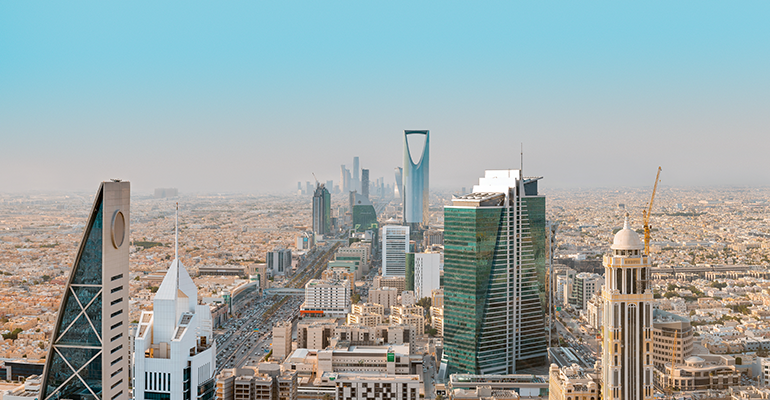
With an investment of 150 million Saudi Riyal ($40 million), Siniora Foods plans to construct its new food manufacturing plant in the West Asian country, as reported in the Saudi Arabian financial news portal argaam.
A new plant for new growth opportunities
Headquartered in Jerusalem, Israel, Siniora Foods has a presence in multiple markets, including Jordan, Palestine, Dubai, Turkey, and Saudi Arabia.
Taking place between 24th and 26th November, Saudi HORECA 2024 is a large-scale food, beverage and hospitality exhibition. The 2023 event saw 350 companies exhibit, representing 20,000 brands. The event’s post-show report announced around 3.1 billion Saudi Riyal ($827 million) in business deals were signed during the exhibition.
Exhibitors and brands from the food products and frozen food industry make up the biggest presence at the event, accounting for 18% of attendees, followed by kitchen, equipment and coffee machines at 13% and bakery, sweets and chocolate companies at 11%.
Siniora Foods was one of the frozen food companies showcasing its brand and products. The company has a retail and business-to-business catering presence in cold cuts, frozen, and plant-based spaces, and it operates in the canned goods retail sector.
The company’s new production plant will develop its existing cold-cuts and frozen foods business, a move designed to expand Siniora Food’s presence in Saudi Arabia and grow its business worldwide. The company will centre production on ‘Made in Saudi Arabia’ products to gain competitive market traction in the local market, as the country seeks to build its domestic product appeal with frozen food, meat, and plant-based-buying consumers.
Siniora Foods owns multiple brands, including its long-standing 100-year-old brand Siniora, luncheon meat producer Unium, delicatessen-led brand Polonez, premium cold cut meat producer Almasa and plant-based brand Badeel. Known for its plant-based product range, Siniora Food said its Badeel brand is the Middle East’s first certified vegan, gluten-free and soy-free meat alternative name.
Growing Saudi Arabia’s food scene
In 2024, Saudi Arabia’s food sector is valued at $55 billion. The bread and cereal space generates the largest revenue share, almost a fifth, with a market volume of $10.1 billion. Between 2024 and 2029, the market is expected to increase by a compound annual growth rate (CAGR) of 3.99%. Currently, the country’s online food sector accounts for just 1.4% of revenue, offering growth opportunities for brands looking to expand via e-commerce channels.
Amid its push for localisation in the food sector, the Saudi Authority for Industrial Cities and Technology Zones (MODON) reportedly confirmed the number of food factories it operates has reached 1,300 across 36 cities. In addition, in recent years, the growth of food industry companies in Saudi Arabia has increased by more than 31%.
In September, global food and drink giant Nestlé announced it had signed an agreement with MODON to build its first manufacturing facility in Saudi Arabia, receiving an investment of 270 million Saudi Riyal ($72 million).
Saudi Arabia opened a tender to develop a fish farm on its northern Gulf coast as part of a $5 billion project to increase its food security. The tender comes after Saudi Arabia is reported to have undertaken 18 aquaculture projects in the first half of 2024.
Earlier in the year, in May, a unit of the country’s wealth fund, the Public Investment Fund (PIF), got the go-ahead to launch Saudi Arabia’s first coffee production facility.
‘Made in Saudi Arabia’ products
The Saudi Export Development Authority (Saudi Exports) launched the National Industrial Development and Logistics Program (NIDLP) initiative and the ‘Made in Saudi Arabia’ food programme in 2021. The programme seeks to elevate local businesses’ presence and support their growth by encouraging consumers to buy locally made products. In addition to developing Saudi Arabia's domestic market, the programme also strives to help Saudi Arabia increase its exports to priority markets.
The Made in Saudi programme sees food companies collaborate under one unified brand to deliver significant opportunities for businesses like Siniora Foods to grow and promote their brands and products in Saudi Arabia, its existing markets in Asia and the wider globe.
Under the programme, brands will display the Made in Saudi logo to help meet their vision of making the country’s products the preferred choice among consumers. The programme is underpinned by its mission to provide a unique and consistent experience for its programme members and build a trusted brand that drives demand for Saudi Arabian foods.
“The Made in Saudi program is a celebration of the technical innovation, creative talent, and business acumen that flows through our Kingdom,” Bandar bin Ibrahim Alkhorayef, Minister of Industry and Mineral Resources, said on the programme.

Get more of our news on Google
Set Ingredients Network as a 'Preferred Source' to get quicker access to the news you value.
Related news

Do the US dietary guidelines put UPFs under pressure?
10 Sep 2026
Will the US dietary guidelines change the way Americans eat, swapping ultra-processed foods for whole foods? We asked Dr Barry Popkin, renowned nutrition and obesity researcher.
Read more
Skimpflation: An ‘unfair’ and risky approach to keeping prices low
2 Sep 2026
Consumers see skimpflation – reducing the quality of ingredients due to rising costs – as more unfair than shrinkflation, making it a risky strategy according to recent research.
Read more
‘Urgent gaps’ in achieving 2030 food system goals
27 Aug 2026
Global food systems are failing to meet 2030 targets across indicators including health, environment, and resilience, according to a report co-authored by the Food and Agriculture Organisation (FAO).
Read more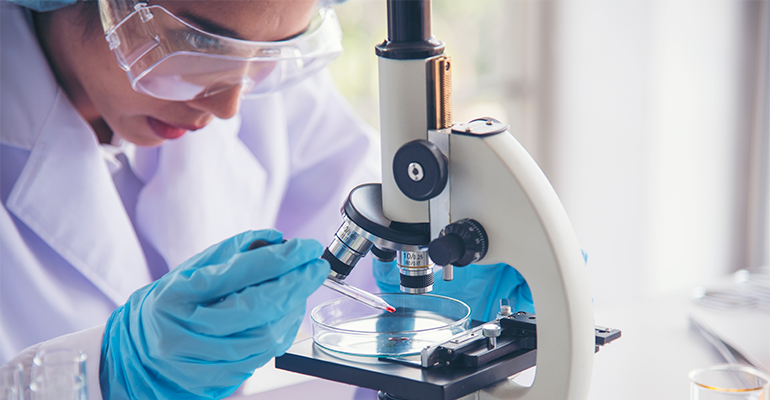
Seven-Eleven uses microbial testing tech to extend katsudon shelf life
26 Aug 2026
Japanese retail company Seven-Eleven has improved its factory’s microbial environment to keep comfort-food staple, katsudon, fresher for longer.
Read more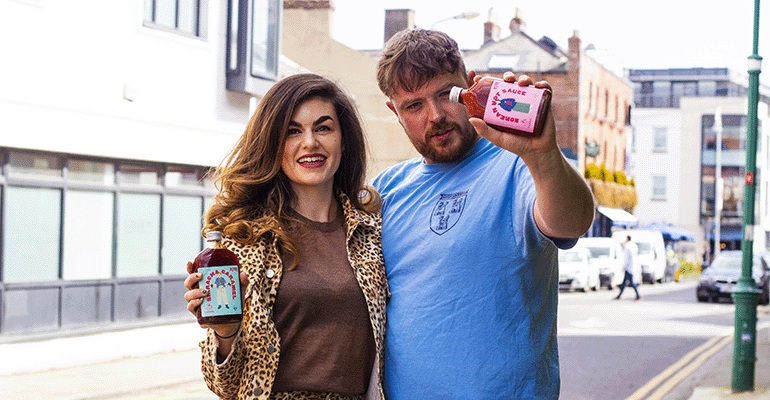
Chimac’s fusion sauces bring Korean flavours to Europe
25 Aug 2026
Irish sauce brand Chimac is tapping into Korea’s culinary traditions, bringing its flavours and products to European consumers who want a taste of K-food.
Read more
Global demand for instant noodles continues to rise
24 Aug 2026
Global demand for instant noodles reached 124.21 billion servings last year, representing a 0.7% year-on-year increase – or 900 million extra servings.
Read more
China beverages: Is herbal innovation the future?
20 Aug 2026
Herbal and botanical innovation in China's drinks market continues to grow, with ingredients like astragalus root, ginger, and ginseng in the spotlight – and focus shifting far beyond refreshment.
Read more
Popular barbecue staples experience sharp price increases
19 Aug 2026
The typical cost of US shoppers’ barbecue baskets has risen by 12% over the past year – the fastest annual rise in a decade, figures from The Economist show.
Read more
Hot NPD: Nissin launches first cold-water Cup Noodles
18 Aug 2026
Nissin is taking one of Japan’s most iconic instant meals in a completely new direction with the launch of the first cold water-only Cup Noodles in the brand’s 55-year history.
Read more
Manam Chocolate aims to bring premium Indian cacao to 'the world stage'
11 Aug 2026
Craft chocolate brand Manam Chocolate is investing in local expansion and supply chain innovation throughout India as it works to build out the premium reputation of its locally produced cacao products.
Read more