
Ingredients Categories
Finished Products
Finished Food Categories
- Bakery
- Beverages / Juices
- Cereal and grain products
- Confectionery
- Cooking Fats & Oils
- Dairy
- Egg products
- Fruits & Vegetables
- Infant & Baby food
- Meat, Poultry & Fish
- Nuts & Seeds products
- Other Finished Food Categories
- Pet Food
- Plant-based foods
- Prepared foods
- Sauces & Seasonings
- Sweet & Savoury Spreads
Specialised Finished Products
- Bee products
- Biotic products
- Dietary supplements
- Energy drinks
- Functional beverages
- Functional confectionery
- Functional food
- Functional powders
- Meal replacement products
- Nutricosmetics
- Other Specialised Finished Products
- Pet Dietary Supplements
- Pharma and OTC products
- Protein products
- Sugar replacers / Sweeteners
Health & Wellness Areas
Delivery Formats
Operations & Services
- 3D printing
- Analysis/ Testing
- Auditing & certifications
- Blending & mixing
- Bottling
- Certification
- Clinical trials
- Co-packing
- Coating
- Consulting
- Contract manufacturing
- Drying
- Electrospinning
- Encapsulating
- Enzymatic processing
- Extracting
- Extrusion
- Fat structuring
- Fermentation
- Filling
- Flavour development
- Freeze drying
- Granulating/ grinding/ milling / mixing
- High-pressure processing
- Labelling
- Other Operations & Services
- Packaging
- Packet filling
- Pasturising
- Quality assurance
- Saccharification
- Shear cell processing
- Spray drying
- Sterilisation
- Storage & Logistics
- Tabletting
- Toasting / roasting
- Ultra-high temperature processing
News
Study finds over half of infant and toddler food products fall short of nutritional recommendations
Simon Pitman, Freelance Journalist 27 Sep 2024Two-thirds of US baby food formulations are unhealthy, according to research from the George Institute for Global Health, presenting an opportunity for food companies to provide convenient and healthier solutions.
The research, which was published in the scientific journal, Nutrients, analysed baby food products available in retail stores across the US to determine whether or not the products meet the nutritional and promotional requirements outlined by the World Health Organization’s (WHO) guidelines.

The study assessed 651 infant and toddler food products sold in the top ten retailers across the US. The researchers found that none of the formulations met WHO promotional requirements and over half (60%) failed to meet the nutritional recommendations.
Not enough protein, too much sugar
The baby foods were compared using the George Institute’s FoodSwitch database, which made it possible to make a comparison against the international benchmark.
On top of the overall shortfall for nutrition, the researchers found that 70% fell short of protein requirements and 44% exceeded total sugar requirements. Additionally, a quarter of products did not meet calorie requirements and a fifth exceeded sodium content recommendations.
Lead researcher, Dr Elizabeth Dunford, research fellow at The George Institute, and adjunct assistant professor, Department of Nutrition at the University of North Carolina, believes the research points to a particular problem with formulations for the popular and convenient squeezy pouch format.
Pouches are the fastest-growing baby food format
The research showed that pouches are the fastest-growing format for baby foods, having shown a 900% increase in the space over the last 13 years. But while pouches represent a particularly convenient solution, they also ranked amongst the unhealthiest group of products in the study.
“The huge increases in the sales of squeeze pouches prove that convenience is a key driver for shoppers in this sector,” said Dunford. “I would like to see brands be more honest about the types of ingredients in their products, and not put ‘no added sugar’ on the label if the product contains pear or apple juice concentrate. In addition, to stop using promotional characters on pack for any product that contains added sugar, salt, or industrial additives.”
Dunford believes that babies and toddlers must be fed the healthiest possible food choices. This is a pivotal time of development when a young child’s preferences and dietary habits are formed. Unhealthy choices early in life may pave the way to chronic diseases such as obesity, diabetes, and even cancer later in life.
“Time-poor parents are increasingly choosing convenience foods, unaware that many of these products lack key nutrients needed for their child’s development, often being tricked into believing they are healthier than they really are,” Dunford explained.
Promotional and marketing tactics under scrutiny
Misleading marketing and promotional practices were also called out by the study, with 99.4% of products featuring at least one prohibited claim on the packaging. Most products included four prohibited claims, including ‘non-GM’ (70%), ‘no BPA’ (37%) and ‘no artificial colors/flavors’ (25%).
Dunford believes that better regulation is required to set boundaries for US baby food manufacturers, pointing to the WHO regulations, as well as other markets where protocols are in place, as good examples.
“In an ideal world, in my opinion, a limit to the number and types of claims products can make on the package would be a good start,” said Dunford. “Also limits on total sugar for pouches, and even better if the definition of added sugars for baby foods could be expanded to include free sugars - as is done in other countries.
“Most countries have some type of regulation in relation to infant formula. In Australia the Federal Government has just this month released a public consultation on infant and toddler foods, aiming to see which areas need improvement. So that is a good start! The WHO NPPM [Nutrient and promotion profile model] is the only model that we are aware of that specifically profiles infant and toddler foods.”

Get more of our news on Google
Set Ingredients Network as a 'Preferred Source' to get quicker access to the news you value.
Related news

M&S launches own-brand pet food range
11 Sep 2026
UK retailer Marks & Spencer has launched its own-brand pet food line Paws & Pals – a well-timed and strategic move that will appeal to loyal shoppers, says a marketing expert.
Read more
Do the US dietary guidelines put UPFs under pressure?
10 Sep 2026
Will the US dietary guidelines change the way Americans eat, swapping ultra-processed foods for whole foods? We asked Dr Barry Popkin, renowned nutrition and obesity researcher.
Read more
Food fraud costs UK economy £2bn each year
9 Sep 2026
Food fraud is costing the UK economy up to £2 billion (€2.3 billion) every year although the food sector is more “resilient” than others, according to a recent study.
Read more
Kellogg accelerates work to remove artificial colours from all US cereals
3 Sep 2026
WK Kellogg has announced an accelerated timeline to eliminate all artificial colours and the chemical preservative, BHT, across its full US portfolio of cereals and cereal packaging.
Read more
‘Urgent gaps’ in achieving 2030 food system goals
27 Aug 2026
Global food systems are failing to meet 2030 targets across indicators including health, environment, and resilience, according to a report co-authored by the Food and Agriculture Organisation (FAO).
Read more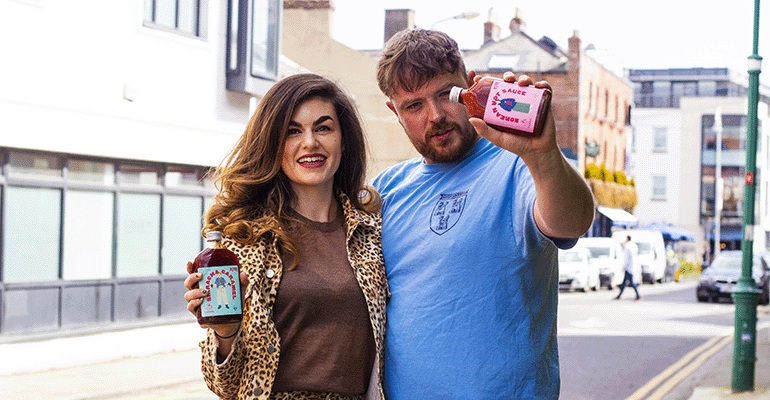
Chimac’s fusion sauces bring Korean flavours to Europe
25 Aug 2026
Irish sauce brand Chimac is tapping into Korea’s culinary traditions, bringing its flavours and products to European consumers who want a taste of K-food.
Read more
Savoury protein snacks shake up the on-the-go market
10 Aug 2026
Sweet flavours have dominated the high-protein snack category but savoury snacks, such as cheese bars and meat sticks, can appeal to health-conscious consumers.
Read more
Nestlé invests in regeneratively farmed wheat for KitKat
5 Aug 2026
Nestlé will pay a premium for Wildfarmed’s regeneratively farmed wheat but the CPG remains reticent to promote the move on packs of its KitKat bars.
Read more
How Secon Taste is putting upcycled snacks on shelves
4 Aug 2026
Hungarian zero-waste startup Secon Taste is turning surplus food into upcycled snacks such as fibre-packed granola, instant porridge, and a circular coffee-tasting box.
Read more
Codex sets global thresholds for ‘may contain’ labels
3 Aug 2026
Codex Alimentarius has adopted its first global guidance on when to use “may contain” allergen warnings, setting thresholds intended to stop the label being used as blanket legal cover.
Read more