
Ingredients Categories
Finished Products
Finished Food Categories
- Bakery
- Beverages / Juices
- Cereal and grain products
- Confectionery
- Cooking Fats & Oils
- Dairy
- Egg products
- Fruits & Vegetables
- Infant & Baby food
- Meat, Poultry & Fish
- Nuts & Seeds products
- Other Finished Food Categories
- Pet Food
- Plant-based foods
- Prepared foods
- Sauces & Seasonings
- Sweet & Savoury Spreads
Specialised Finished Products
- Bee products
- Biotic products
- Dietary supplements
- Energy drinks
- Functional beverages
- Functional confectionery
- Functional food
- Functional powders
- Meal replacement products
- Nutricosmetics
- Other Specialised Finished Products
- Pet Dietary Supplements
- Pharma and OTC products
- Protein products
- Sugar replacers / Sweeteners
Health & Wellness Areas
Delivery Formats
Operations & Services
- 3D printing
- Analysis/ Testing
- Auditing & certifications
- Blending & mixing
- Bottling
- Certification
- Clinical trials
- Co-packing
- Coating
- Consulting
- Contract manufacturing
- Drying
- Electrospinning
- Encapsulating
- Enzymatic processing
- Extracting
- Extrusion
- Fat structuring
- Fermentation
- Filling
- Flavour development
- Freeze drying
- Granulating/ grinding/ milling / mixing
- High-pressure processing
- Labelling
- Other Operations & Services
- Packaging
- Packet filling
- Pasturising
- Quality assurance
- Saccharification
- Shear cell processing
- Spray drying
- Sterilisation
- Storage & Logistics
- Tabletting
- Toasting / roasting
- Ultra-high temperature processing
News
Sustainability meets functionality in spirulina-based smoked salmon analogue
Tessa Wiles, Content Editor - Food 16 Jun 2025A foodtech company has received EU regulatory approval for its texturised fresh spirulina, the base ingredient in its plant-based smoked salmon analogue.
With industrial production now complete, $4 million in new funding, and approval from the European Food Safety Authority (EFSA), SimpliiGood hopes to ramp up production of Simplii Texture to meet an anticipated wave of demand.
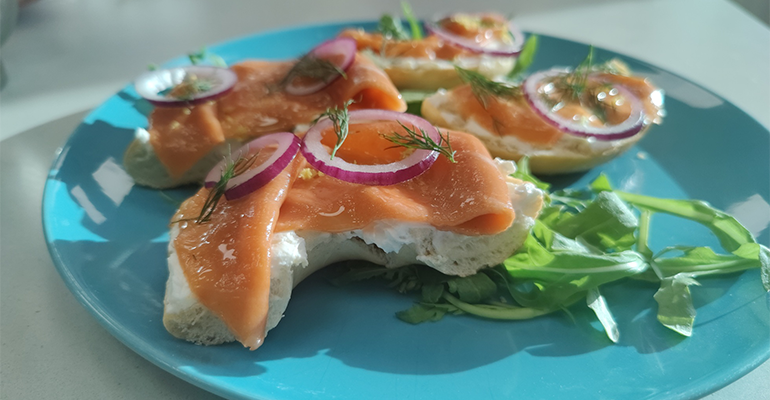
The texturised spirulina ingredient is expected to yield hundreds of tonnes annually. Each 1 kg of Simplii Texture can be transformed into 3 to 4kg of its plant-based clean-label smoked salmon delicacy.
Baruch Dach, chief technology officer and co-founder of SimpliiGood, told Ingredients Network that the inspiration behind the spirulina-based smoked salmon stemmed from two simultaneous needs – the “urgent sustainability crisis in seafood and the untapped functional potential of spirulina”.
He explained: “Unlike soy or pea protein, which require heavy processing to mimic muscle texture, spirulina’s native filament structure allows us to create meat-like textures with minimal intervention. That makes it ideal for recreating delicate fish formats like smoked salmon.”
Simplii Texture: Customisable across various plant-based seafood formats
SimpliiGood, whose parent company is AlgaeCore technologies, grows its spirulina in ponds within greenhouses using 98% recycled water. The crop grows rapidly, with a harvest every 24 hours.
According to Dach, the Simplii Texture platform, alongside being sustainable, is also highly modular.
“By adjusting filament concentration, fibre alignment, and emulsion ratios, we can replicate textures ranging from sashimi to deli meats. This opens the door to dozens of use cases, including high-protein spreads, ready-to-eat meals, and even sushi components,” he said.
Beyond smoked salmon, Dach explained that the company is developing spirulina-based formats for plant-based and hybrid salmon fillets, white fish analogues, smoked trout and tuna-style products, crab cake-style seafood blends, and high-protein fish spreads.
Price competitive with premium smoked salmon ‘within 12 to 18 months’
By working directly with biomass producers and streamlining downstream processing, Dach explained that the company has “reduced costs significantly compared to extrusion or fermentation-based alternatives”.
“Our goal isn’t just parity – it’s price performance,” he said, adding: “Unlike mycelium or lab-grown seafood, our system doesn’t rely on high CapEx infrastructure or long growth cycles.
“We expect our production to become cost-competitive with premium smoked salmon within 12 to 18 months, and potentially reach parity with mid-market seafood products as we scale.”
Scaling spirulina-based ingredients to food manufacturers and airline catering
Dach explained that SimpliiGood does not plan to market a finished consumer product itself.
“We collaborate closely with industry partners and provide ready-to-eat product prototypes (such as smoked salmon analogue sandwiches) to demonstrate the ingredient’s unique versatility and potential applications,” he said.
“Broadening our product concept portfolio with application-driven prototypes, beginning with deli-style items such as plant-based smoked salmon sandwiches. These are intended as inspiration and development tools for our B2B partners,” he added.
Over the next 12 months, Dach explained that the company will focus on “scaling production through partnerships with strategic co-manufacturers and high-quality spirulina biomass producers, to ensure stable, efficient supply as we enter larger markets”.
Alongside this, the company hopes to expand the distribution of its spirulina-based ingredient to food manufacturers, premium food service, airline catering, and select retail pilot programmes across Europe and Israel.

Get more of our news on Google
Set Ingredients Network as a 'Preferred Source' to get quicker access to the news you value.
Related news

Do the US dietary guidelines put UPFs under pressure?
10 Sep 2026
Will the US dietary guidelines change the way Americans eat, swapping ultra-processed foods for whole foods? We asked Dr Barry Popkin, renowned nutrition and obesity researcher.
Read more
Food fraud costs UK economy £2bn each year
9 Sep 2026
Food fraud is costing the UK economy up to £2 billion (€2.3 billion) every year although the food sector is more “resilient” than others, according to a recent study.
Read more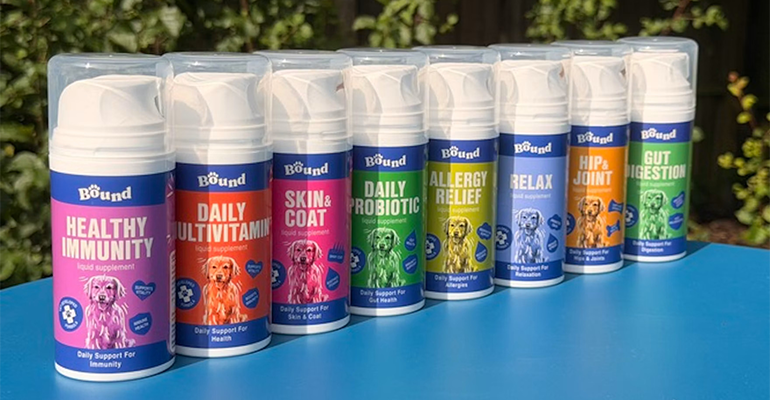
Pump-based liquid pet supplement focuses on health and convenience
8 Sep 2026
Prefera Pet Food uses a plastic pump-based packaging to make administering its liquid supplements for cats and dogs easier, healthier, and more accurate.
Read more
Health and wellness engagement matures across Middle East and Africa
4 Sep 2026
Many consumers in the Middle East and Africa are now proactively engaged in health and wellness, looking to integrate better habits and products into their daily lives, say experts.
Read more
Kellogg accelerates work to remove artificial colours from all US cereals
3 Sep 2026
WK Kellogg has announced an accelerated timeline to eliminate all artificial colours and the chemical preservative, BHT, across its full US portfolio of cereals and cereal packaging.
Read more
Royal Canin launches ‘freshly-cooked’ therapeutic dog food
1 Sep 2026
Mars-owned Royal Canin has moved into the therapeutic diet sector with the launch of its Fresh Veterinary Diets range for dogs with health conditions. We asked a veterinary nutritionist for her opinion.
Read more
‘Urgent gaps’ in achieving 2030 food system goals
27 Aug 2026
Global food systems are failing to meet 2030 targets across indicators including health, environment, and resilience, according to a report co-authored by the Food and Agriculture Organisation (FAO).
Read more
Seven-Eleven uses microbial testing tech to extend katsudon shelf life
26 Aug 2026
Japanese retail company Seven-Eleven has improved its factory’s microbial environment to keep comfort-food staple, katsudon, fresher for longer.
Read more
Chimac’s fusion sauces bring Korean flavours to Europe
25 Aug 2026
Irish sauce brand Chimac is tapping into Korea’s culinary traditions, bringing its flavours and products to European consumers who want a taste of K-food.
Read more
China beverages: Is herbal innovation the future?
20 Aug 2026
Herbal and botanical innovation in China's drinks market continues to grow, with ingredients like astragalus root, ginger, and ginseng in the spotlight – and focus shifting far beyond refreshment.
Read more