
Ingredients Categories
Finished Products
Finished Food Categories
- Bakery
- Beverages / Juices
- Cereal and grain products
- Confectionery
- Cooking Fats & Oils
- Dairy
- Egg products
- Fruits & Vegetables
- Infant & Baby food
- Meat, Poultry & Fish
- Nuts & Seeds products
- Other Finished Food Categories
- Pet Food
- Plant-based foods
- Prepared foods
- Sauces & Seasonings
- Sweet & Savoury Spreads
Specialised Finished Products
- Bee products
- Biotic products
- Dietary supplements
- Energy drinks
- Functional beverages
- Functional confectionery
- Functional food
- Functional powders
- Meal replacement products
- Nutricosmetics
- Other Specialised Finished Products
- Pet Dietary Supplements
- Pharma and OTC products
- Protein products
- Sugar replacers / Sweeteners
Health & Wellness Areas
Delivery Formats
Operations & Services
- 3D printing
- Analysis/ Testing
- Auditing & certifications
- Blending & mixing
- Bottling
- Certification
- Clinical trials
- Co-packing
- Coating
- Consulting
- Contract manufacturing
- Drying
- Electrospinning
- Encapsulating
- Enzymatic processing
- Extracting
- Extrusion
- Fat structuring
- Fermentation
- Filling
- Flavour development
- Freeze drying
- Granulating/ grinding/ milling / mixing
- High-pressure processing
- Labelling
- Other Operations & Services
- Packaging
- Packet filling
- Pasturising
- Quality assurance
- Saccharification
- Shear cell processing
- Spray drying
- Sterilisation
- Storage & Logistics
- Tabletting
- Toasting / roasting
- Ultra-high temperature processing
News
The rise of plant-based - and plastic-free - chewing gum
Niamh Michail, Head of Publishing 7 May 2024Conventional chewing gum is typically made from a gum base that can contain plastic, paraffin, and synthetic resin. Enter the challenger brands making plant-based gum from chicle, the chewy sap of the Sapodilla tree. ‘Chew plants, not plastic,’ they say.
Chewing gum is chewy thanks to its gum base, which is made of a combination of food-grade plastic polymers, waxes, and softeners. These ingredients give gum the texture desired by consumers, according to the International Chewing Gum Association. Polyethylene, paraffin, and synthetic resins are also FDA-authorised ingredients and additives in chewing gum.

However, many consumers are unaware of this. A survey commissioned by UK retailer Iceland found that 85% of UK consumers did not know chewing gum contained plastic.
Awareness of plastic pollution and the negative impact on both the environment and health, however, is growing. One study found that plastic packaging labelled as ‘microwave safe’ releases billions of micro- and nano-plastic particles into baby food after being microwaved – and these particles are toxic to human kidney cells. Another study found that plastic teabags release billions of micro- and nanoplastics when left to brew at 95°C.
Conventional chewing gum brands may therefore have an increasingly hard time convincing consumers that plastic-based gum is not harmful to health.
‘Chew plants, not plastic’
Plant-based claims are beginning to appear on chewing gum and, given both the health and sustainability concerns, the appeal of natural, chicle-based and plastic-free gum could therefore grow. Chicle is the chewy sap from the Sapodilla tree that is native to Latin America, and it is being embraced by challenger chewing gum brands around the world.
UK chicle-based chewing gum brand Nuud tells consumers to ‘chew plants, not plastic’ while Danish brand True Gum makes on-pack claims of being both plastic-free and sugar-free. The ingredient list for True Gum’s lemon flavoured chewing gum declares: sweeteners (xylitol, steviol glycosides), chicle gum base, natural lemon flavour and other natural flavours, acidifier (citric acid), humectant (glycerin), stabiliser (gum arabic), safflower extract, and glazing agent (carnauba wax).
In Asia, Gud Gum, which also uses chicle, claims to be India’s first ever plastic-free chewing gum brand and has a functional version with added activated charcoal to help whiten teeth.
However, one barrier to uptake may be the higher price tag associated with chicle-based chewing gum products. According to Mike Hughes, head of research and insight at FMCG Gurus, this is a barrier that many plant-based brands must work to overcome. “There is the perception that plant-based products require paying a premium,” he says. “Consumers sometimes see plant-based as expensive.”

Get more of our news on Google
Set Ingredients Network as a 'Preferred Source' to get quicker access to the news you value.
Related news

Do the US dietary guidelines put UPFs under pressure?
10 Sep 2026
Will the US dietary guidelines change the way Americans eat, swapping ultra-processed foods for whole foods? We asked Dr Barry Popkin, renowned nutrition and obesity researcher.
Read more
Skimpflation: An ‘unfair’ and risky approach to keeping prices low
2 Sep 2026
Consumers see skimpflation – reducing the quality of ingredients due to rising costs – as more unfair than shrinkflation, making it a risky strategy according to recent research.
Read more
‘Urgent gaps’ in achieving 2030 food system goals
27 Aug 2026
Global food systems are failing to meet 2030 targets across indicators including health, environment, and resilience, according to a report co-authored by the Food and Agriculture Organisation (FAO).
Read more
Seven-Eleven uses microbial testing tech to extend katsudon shelf life
26 Aug 2026
Japanese retail company Seven-Eleven has improved its factory’s microbial environment to keep comfort-food staple, katsudon, fresher for longer.
Read more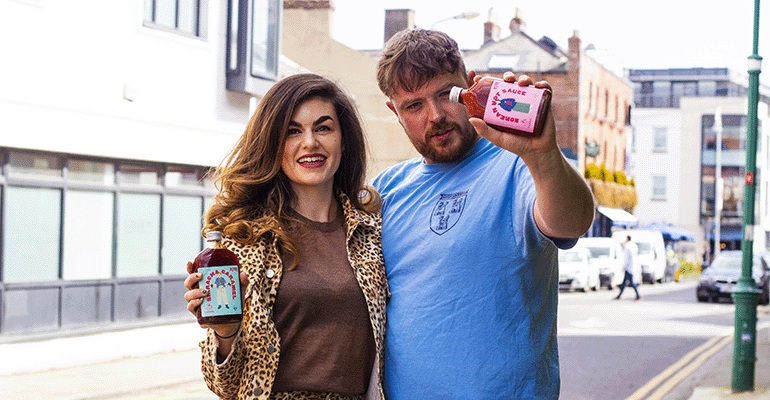
Chimac’s fusion sauces bring Korean flavours to Europe
25 Aug 2026
Irish sauce brand Chimac is tapping into Korea’s culinary traditions, bringing its flavours and products to European consumers who want a taste of K-food.
Read more
Global demand for instant noodles continues to rise
24 Aug 2026
Global demand for instant noodles reached 124.21 billion servings last year, representing a 0.7% year-on-year increase – or 900 million extra servings.
Read more
China beverages: Is herbal innovation the future?
20 Aug 2026
Herbal and botanical innovation in China's drinks market continues to grow, with ingredients like astragalus root, ginger, and ginseng in the spotlight – and focus shifting far beyond refreshment.
Read more
Popular barbecue staples experience sharp price increases
19 Aug 2026
The typical cost of US shoppers’ barbecue baskets has risen by 12% over the past year – the fastest annual rise in a decade, figures from The Economist show.
Read more
Hot NPD: Nissin launches first cold-water Cup Noodles
18 Aug 2026
Nissin is taking one of Japan’s most iconic instant meals in a completely new direction with the launch of the first cold water-only Cup Noodles in the brand’s 55-year history.
Read more
Manam Chocolate aims to bring premium Indian cacao to 'the world stage'
11 Aug 2026
Craft chocolate brand Manam Chocolate is investing in local expansion and supply chain innovation throughout India as it works to build out the premium reputation of its locally produced cacao products.
Read more