
Ingredients Categories
Finished Products
Finished Food Categories
- Bakery
- Beverages / Juices
- Cereal and grain products
- Confectionery
- Cooking Fats & Oils
- Dairy
- Egg products
- Fruits & Vegetables
- Infant & Baby food
- Meat, Poultry & Fish
- Nuts & Seeds products
- Other Finished Food Categories
- Pet Food
- Plant-based foods
- Prepared foods
- Sauces & Seasonings
- Sweet & Savoury Spreads
Specialised Finished Products
- Bee products
- Biotic products
- Dietary supplements
- Energy drinks
- Functional beverages
- Functional confectionery
- Functional food
- Functional powders
- Meal replacement products
- Nutricosmetics
- Other Specialised Finished Products
- Pet Dietary Supplements
- Pharma and OTC products
- Protein products
- Sugar replacers / Sweeteners
Health & Wellness Areas
Delivery Formats
Operations & Services
- 3D printing
- Analysis/ Testing
- Auditing & certifications
- Blending & mixing
- Bottling
- Certification
- Clinical trials
- Co-packing
- Coating
- Consulting
- Contract manufacturing
- Drying
- Electrospinning
- Encapsulating
- Enzymatic processing
- Extracting
- Extrusion
- Fat structuring
- Fermentation
- Filling
- Flavour development
- Freeze drying
- Granulating/ grinding/ milling / mixing
- High-pressure processing
- Labelling
- Other Operations & Services
- Packaging
- Packet filling
- Pasturising
- Quality assurance
- Saccharification
- Shear cell processing
- Spray drying
- Sterilisation
- Storage & Logistics
- Tabletting
- Toasting / roasting
- Ultra-high temperature processing
News
US wins GMO corn trade dispute with Mexico
Natasha Spencer-Jolliffe, Freelance Journalist 24 Jan 2025A Mexican decree banning imports of genetically modified (GM) corn for human consumption has been overturned in what has been hailed as a victory for US exports.
The US successfully argued Mexico’s measures lacked scientific basis and undermined market access.
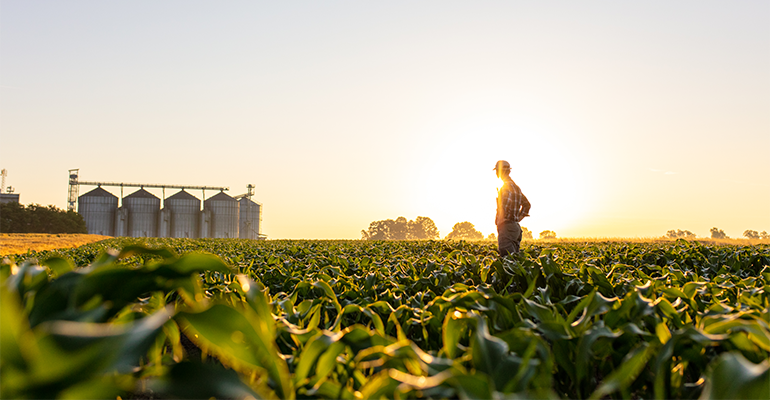
Corn produced from genetically modified organisms (GMO) has been at the centre of an ongoing trade debate between the US and Mexico. However, on 20 December 2024, the Office of the United States Trade Representative (USTR) announced the US had prevailed in a United States-Mexico-Canada Agreement (USMCA) dispute relating to biotechnology-led corn produce. The decision came after the Joe Biden-Kamala Harris US administration challenged specific measures concerning using biotechnology methods to manufacture genetically engineered (GE) corn. Click here to read the decree decision.
Hailing the ruling as a triumph for American agriculture, the decision in favour of scrapping the GM corn import ban, which first came into force following a decree signed by President Manuel Lopez Obrador, is welcomed by advocates, including the National Corn Growers Association, which had asked for USTR to file the dispute.
Mexico is the US’s largest export market for corn. Therefore, a significant trade relationship exists between the two countries for grain products that are popular for use in cereal. According to the Office of the United States Trade Representative, the US delivered $4.8 million (€4.7m) of corn to Mexico between January and October 2024.
The history of the the corn dispute
Back in 2020, Mexico initially called for a ban on GM corn by the end of 2024. Then, in 2023, Mexican President Manuel Lopez Obrador released another decree banning GM corn for human consumption in tortillas and tortilla masa, traditionally white corn. The US then filed a dispute settlement under USMCA. The dispute panel found the Mexican government had violated its commitments under the USMCA after the Mexican president signed the decree to ban genetically modified (GM) corn imports.
However, while the current dispute’s history spans five years, its roots are reported to date back much further, marking two decades of discontentment. Longstanding worries have lingered on the ancient heritage-centered basis for corn in Mexico, with its presence a focal point of the country’s cultural, social and economic landscape.
“Mexico’s measures ran counter to decades’ worth of evidence demonstrating the safety of agricultural biotechnology, underpinned by science- and risk-based regulatory review systems,” said Tom Vilsack, Agriculture Secretary.
Disputes relating to corn exports between the US and Mexican markets reached a crux in February 2023, when the former challenged two sets of measures in Mexico’s presidential corn decree. These stipulated an immediate ban on using GE corn in dough and tortillas and included instructions from Mexican government agencies to steadily remove the use of GE corn for other food and animal feed.
After these requests were made public, the US created the panel on 17th August 2023 under Chapter 31 of the USMCA. It brought six legal claims under the Sanitary and Phytosanitary Measures Chapter and one legal claim under the National Treatment and Market Access for Goods Chapter of the USMCA. These were documented in the US’s request to develop a dispute settlement panel.
“Mexico has always been a powerful partner to US corn growers and exporters, so when the country tried banning GM corn imports that would have severely affected our industry, we appreciated the extra effort the US Trade Representative gave in filing the dispute and seeing it through to its logical conclusion,” said Ryan LeGrand, president and CEO of the US Grains Council (USGC).
Correcting corn commitments
The panel presiding over the USMCA case agreed in favour of the US on all seven separate legal grounds. In reaching their conclusion, the USMCA panel said the approaches Mexico adopted lacked a scientific basis and undermined the market access it had agreed to provide the US with concerning the availability of its GMO corn products.
“The panel’s ruling reaffirms the United States’ longstanding concerns about Mexico’s biotechnology policies and their detrimental impact on US agricultural exports,” said Katherine Tai, US trade representative. “It underscores the importance of science-based trade policies that allow American farmers and agricultural producers to compete fairly and leverage their innovation to address climate change and enhance productivity.”
“We look forward to continuing our collaboration with the Mexican government to ensure a level playing field and provide access to safe, affordable, and sustainable agricultural products on both sides of the border,” added Tai.
Agricultural secretary, Tom Vilsack, believes the recent and final decision over the ongoing corn disputes will ensure US producers and exporters continue to have complete and fair access to the Mexican market. Additionally, it marks a win for the provision of fair, open, science- and rules-based trade. “It is also a victory for the countries around the world growing and using products of agricultural biotechnology to feed their growing populations and adapt to a changing planet,” added Vilsack.
Following the delivery of the final panel report on the 20th December 2024, under USMCA rules, Mexico has 45 days from this date to comply with its findings. USTR officials worked with the US Department of Agriculture, the US Food and Drug Administration, and the US Environmental Protection Agency to reach its final decision. The focus is now on ensuring that the trade bodies involved, namely the USGC and USTR, will work to retain the flow of US corn and its co-products into Mexico.
“This ruling is a critical step in ensuring that US farmers can continue to compete fairly in the global marketplace. We have worked tirelessly with the interagency and industry stakeholders for almost four years to address this issue, and we remain committed to ensuring Mexico complies with its obligations under the USMCA and eliminates its USMCA-inconsistent measures,” said Doug McKalip, US agricultural policy advisor and USTR ambassador.
“This outcome supports our efforts to maintain a strong, science-based trade relationship that benefits American producers and consumers in both the US and Mexico,” added McKalip.

Get more of our news on Google
Set Ingredients Network as a 'Preferred Source' to get quicker access to the news you value.
Related news

Food fraud costs UK economy £2bn each year
9 Sep 2026
Food fraud is costing the UK economy up to £2 billion (€2.3 billion) every year although the food sector is more “resilient” than others, according to a recent study.
Read more
EU's ban on Brazilian meat expected to raise prices
7 Sep 2026
Around 25% of the EU’s imported chicken and beef comes from Brazil. From September, products that fail to meet the EU antimicrobial resistance rules will be banned.
Read more
Kellogg accelerates work to remove artificial colours from all US cereals
3 Sep 2026
WK Kellogg has announced an accelerated timeline to eliminate all artificial colours and the chemical preservative, BHT, across its full US portfolio of cereals and cereal packaging.
Read more
‘Urgent gaps’ in achieving 2030 food system goals
27 Aug 2026
Global food systems are failing to meet 2030 targets across indicators including health, environment, and resilience, according to a report co-authored by the Food and Agriculture Organisation (FAO).
Read more
Seven-Eleven uses microbial testing tech to extend katsudon shelf life
26 Aug 2026
Japanese retail company Seven-Eleven has improved its factory’s microbial environment to keep comfort-food staple, katsudon, fresher for longer.
Read more
Global demand for instant noodles continues to rise
24 Aug 2026
Global demand for instant noodles reached 124.21 billion servings last year, representing a 0.7% year-on-year increase – or 900 million extra servings.
Read more
Critics slam ‘chaotic’ response to cyclosporiasis outbreak after first deaths reported
7 Aug 2026
Questions have been raised over the “chaotic” response to the cyclosporiasis outbreak in the US after two deaths were reported.
Read more
Digital twin technology gains ground in food manufacturing
6 Aug 2026
Food and beverage companies are increasingly turning to digital twins to optimise and automate manufacturing processes, but opportunities stretch far beyond this, say experts.
Read more
Codex sets global thresholds for ‘may contain’ labels
3 Aug 2026
Codex Alimentarius has adopted its first global guidance on when to use “may contain” allergen warnings, setting thresholds intended to stop the label being used as blanket legal cover.
Read more
EU sets maximum MOAH levels to protect human health
28 Jul 2026
The EU will adopt maximum levels for mineral oil aromatic hydrocarbons (MOAH) in food to protect human health. What do manufacturers need to know?
Read more