
Ingredients Categories
Finished Products
Finished Food Categories
- Bakery
- Beverages / Juices
- Cereal and grain products
- Confectionery
- Cooking Fats & Oils
- Dairy
- Egg products
- Fruits & Vegetables
- Infant & Baby food
- Meat, Poultry & Fish
- Nuts & Seeds products
- Other Finished Food Categories
- Pet Food
- Plant-based foods
- Prepared foods
- Sauces & Seasonings
- Sweet & Savoury Spreads
Specialised Finished Products
- Bee products
- Biotic products
- Dietary supplements
- Energy drinks
- Functional beverages
- Functional confectionery
- Functional food
- Functional powders
- Meal replacement products
- Nutricosmetics
- Other Specialised Finished Products
- Pet Dietary Supplements
- Pharma and OTC products
- Protein products
- Sugar replacers / Sweeteners
Health & Wellness Areas
Delivery Formats
Operations & Services
- 3D printing
- Analysis/ Testing
- Auditing & certifications
- Blending & mixing
- Bottling
- Certification
- Clinical trials
- Co-packing
- Coating
- Consulting
- Contract manufacturing
- Drying
- Electrospinning
- Encapsulating
- Enzymatic processing
- Extracting
- Extrusion
- Fat structuring
- Fermentation
- Filling
- Flavour development
- Freeze drying
- Granulating/ grinding/ milling / mixing
- High-pressure processing
- Labelling
- Other Operations & Services
- Packaging
- Packet filling
- Pasturising
- Quality assurance
- Saccharification
- Shear cell processing
- Spray drying
- Sterilisation
- Storage & Logistics
- Tabletting
- Toasting / roasting
- Ultra-high temperature processing
News
A look at the latest ‘gut health for immunity’ product launches
Niamh Michail, Head of Publishing 25 Oct 2023
From Lipton’s probiotic tea to Babybel’s snack-sized cheeses and smoothie powders, we look at some recent product launches that can benefit immune health by targeting the gut microbiome and a healthier digestive system.
The nutraceutical and health ingredient industry has been investing in science and R&D to develop functional ingredients for digestive and immune health. Market research company Mintel has been tracking the number of patents related to immune health and food ingredients, and it noted that the number of patent filings nearly trebled in just under a decade, rising from 161 in 2013 to 465 last year in 2022.
Speaking during the Vitafoods Insights Webinar Series on digestive health and immunity on 17 October, Kinga Swiderska, head of content at Vitafoods, noted the importance of gut health for the immune system. She said: “Gut microbiota have a direct link to our overall health with the modulation of the immune system; enhancement of the nutrients absorption; synthesizing certain vitamins and amino acids, including the B vitamins and vitamin K; and the protection against pathogens’ colonisation.
“We know more and more about the gut health and its link to immune health but also cognitive health or even bone health. But scientists are still in the early stages of understanding the microbiome’s broad role in health.”
Immunity booster: Soluble, fibre-rich powders
A growing number of companies are looking to tap into this trend by developing science-backed products that seek to support immune health by acting upon the gut microbiome.
One startup is called Myota Health, which makes ready-to-use fibre blends that can be dissolved in food and hot or cold drinks. It has a range of three products focusing on the gut microbiome: the Gut Booster, Metabolic Booster, and the Immunity Booster.
The Immunity Booster contains five prebiotic fibres and one scoop provides one third of the recommended daily fibre intake, aiming to provide a convenient way to meet those targets.
The Immunity Booster fibres are resistant starch from maize; fructooligasaccharides from chicory root, inulin, and guar gum, and partially hydrolysed guar gum.
Myota Health says it has chosen these ingredients because they are known to benefit the immune health via several mechanisms of action. One of these mechanisms is by fermenting in the gut and producing short-chain fatty acids, such as butyrate, which have anti-inflammatory properties. By reducing inflammation in the body, it may help the immune system.
Probiotic tea and cheese
Given the format of Myota Health’s products – soluble nutritional powders – they may appeal more to consumers who are already health conscious and are used to making nutritional shakes. However, other brands are incorporating immune or digestive health benefits into products that have a much wider, everyday appeal.
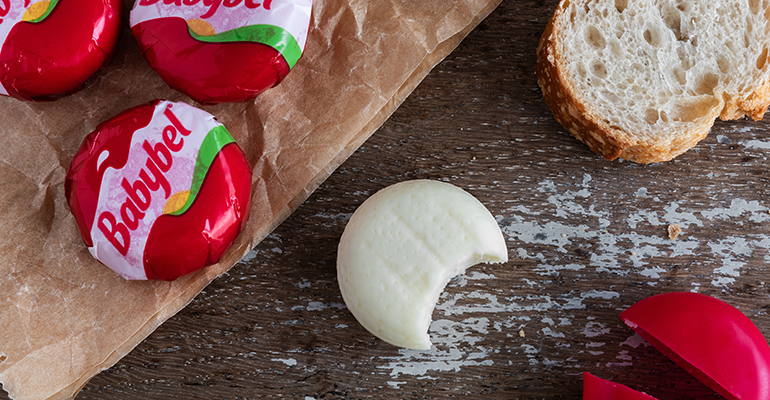
In Australia, major French dairy brand BabyBel, famous for its child-friendly, snack-sized cheeses that are covered in red wax, recently launched a Plus Probiotic cheese which contains one billion live and active LGG probiotic cultures per serving. This product may appeal to parents as a handy lunchbox filler that will boost their children’s immunity at the same time.
In a recent report on innovations in the immune health space, Mintel noted the importance of protein for immunity and the appeal of protein as an immune-boosting ingredient for consumers. Blends ingredients for gut health such as probiotics in a high protein product like cheese could therefore hold strong appeal with many consumers, and Mintel analysts chose Babybel’s Plus Probiotic cheese as an example of an innovative product launch in this category.
Another example of a kitchen cupboard staple with added immune and digestive health benefits comes from the tea manufacturer, Lipton, in the US. It launched a Lipton T+Probiotic for Immune Support.
The herbal tea, which is described as a tropical herbal tea blend of warming turmeric, soothing ginger and sweet pineapple, also contains GanedenBC30 probiotics and immune supporting vitamin C. Lipton claims the probiotic tea can be prepared with hot or cold water.

Get more of our news on Google
Set Ingredients Network as a 'Preferred Source' to get quicker access to the news you value.
Related news

Do the US dietary guidelines put UPFs under pressure?
10 Sep 2026
Will the US dietary guidelines change the way Americans eat, swapping ultra-processed foods for whole foods? We asked Dr Barry Popkin, renowned nutrition and obesity researcher.
Read more
Food fraud costs UK economy £2bn each year
9 Sep 2026
Food fraud is costing the UK economy up to £2 billion (€2.3 billion) every year although the food sector is more “resilient” than others, according to a recent study.
Read more
Skimpflation: An ‘unfair’ and risky approach to keeping prices low
2 Sep 2026
Consumers see skimpflation – reducing the quality of ingredients due to rising costs – as more unfair than shrinkflation, making it a risky strategy according to recent research.
Read more
NielsenIQ’s EU barometer shows Britain leading in grocery inflation
31 Aug 2026
Britain was the only country to record grocery inflation above 2%, according to NielsenIQ data that compared Europe’s five biggest grocery markets from February to May 2026.
Read more
‘Urgent gaps’ in achieving 2030 food system goals
27 Aug 2026
Global food systems are failing to meet 2030 targets across indicators including health, environment, and resilience, according to a report co-authored by the Food and Agriculture Organisation (FAO).
Read more
China beverages: Is herbal innovation the future?
20 Aug 2026
Herbal and botanical innovation in China's drinks market continues to grow, with ingredients like astragalus root, ginger, and ginseng in the spotlight – and focus shifting far beyond refreshment.
Read more
Popular barbecue staples experience sharp price increases
19 Aug 2026
The typical cost of US shoppers’ barbecue baskets has risen by 12% over the past year – the fastest annual rise in a decade, figures from The Economist show.
Read more
Beyond 'nice to have': A spotlight on US functional beverages
12 Aug 2026
Functional beverage interest in the US is gaining important ground as consumers now expect function rather than see it as "nice to have", and there are clear market gaps for growth, according to Spate.
Read more
Manam Chocolate aims to bring premium Indian cacao to 'the world stage'
11 Aug 2026
Craft chocolate brand Manam Chocolate is investing in local expansion and supply chain innovation throughout India as it works to build out the premium reputation of its locally produced cacao products.
Read more
Digital twin technology gains ground in food manufacturing
6 Aug 2026
Food and beverage companies are increasingly turning to digital twins to optimise and automate manufacturing processes, but opportunities stretch far beyond this, say experts.
Read more