
Ingredients Categories
Finished Products
Finished Food Categories
- Bakery
- Beverages / Juices
- Cereal and grain products
- Confectionery
- Cooking Fats & Oils
- Dairy
- Egg products
- Fruits & Vegetables
- Infant & Baby food
- Meat, Poultry & Fish
- Nuts & Seeds products
- Other Finished Food Categories
- Pet Food
- Plant-based foods
- Prepared foods
- Sauces & Seasonings
- Sweet & Savoury Spreads
Specialised Finished Products
- Bee products
- Biotic products
- Dietary supplements
- Energy drinks
- Functional beverages
- Functional confectionery
- Functional food
- Functional powders
- Meal replacement products
- Nutricosmetics
- Other Specialised Finished Products
- Pet Dietary Supplements
- Pharma and OTC products
- Protein products
- Sugar replacers / Sweeteners
Health & Wellness Areas
Delivery Formats
Operations & Services
- 3D printing
- Analysis/ Testing
- Auditing & certifications
- Blending & mixing
- Bottling
- Certification
- Clinical trials
- Co-packing
- Coating
- Consulting
- Contract manufacturing
- Drying
- Electrospinning
- Encapsulating
- Enzymatic processing
- Extracting
- Extrusion
- Fat structuring
- Fermentation
- Filling
- Flavour development
- Freeze drying
- Granulating/ grinding/ milling / mixing
- High-pressure processing
- Labelling
- Other Operations & Services
- Packaging
- Packet filling
- Pasturising
- Quality assurance
- Saccharification
- Shear cell processing
- Spray drying
- Sterilisation
- Storage & Logistics
- Tabletting
- Toasting / roasting
- Ultra-high temperature processing
News
China bans celebrity endorsement of health and formula foods
22 Nov 2022
China is to ban celebrity endorsement or advertising of certain products, completely banning high profile figures with “lapsed morals” as the country attempts to drive society towards “core socialist values”.
State authorities said this week they would impose a blanket ban on celebrities endorsing foods for Special Medical Purposes (FSMP) as well as tobacco-based products (including e-cigarettes), off-campus education, medical care, medicines, and medical devices.
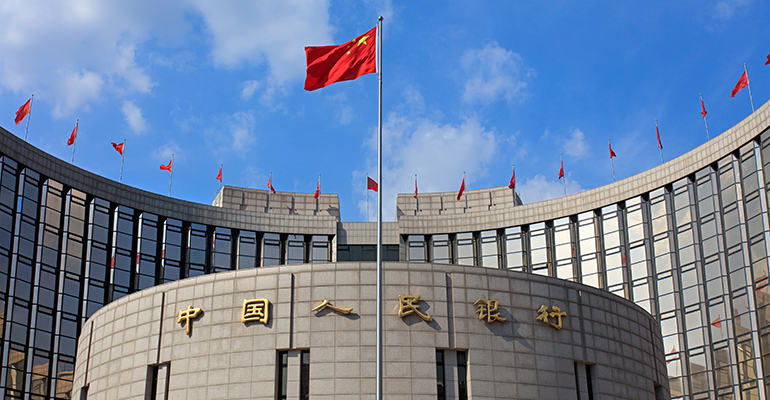
“Celebrities should consciously practice socialist core values in their advertising endorsement activities, and endorsement activities should conform to social morals and traditional virtues,” the regulations said.
“In recent years, some well-known artists, entertainers, online influencers etc – which we shall term as celebrities – were involved in illegal, fake advertising, or even promoted the wrong values in their endorsement activities.“
In direct criticism to companies that use celebrities, the statement added that enterprises regarded traffic as of “utmost importance” and had selected celebrities who had broken the law or moral rules to endorse their products.
The announcement, which came into force earlier this week and was jointly issued by seven Chinese government institutions, urged companies to boycott celebrities who engaged in illegal behaviour such as drug addiction, gambling, drunk driving, indecent assault, tax evasion and fraud.
Regulations will uphold moral integrity
The move is seen as a response to a number of recent scandals involving some of China’s most popular celebrities that has seen them become blacklisted in the entertainment industry.
According to the authorities, the introductions of the regulations was an attempt to address celebrities illegally or falsely endorsing “bad ideas”.
Zhang Guohua, president of China’s advertising association, said the regulations would contribute to a “more standardised and healthy improvement” of the industry.
Zhang added “This does not mean that celebrity endorsements will be limited, but everyone will be more cautious, and the artists will be more responsible and self-disciplined.
“As long as the law is complied with, celebrity endorsements will still be carried out normally within the scope of compliance and legality, so the impact is positive.”
He said those who had “enjoyed the benefits of being a public figure” should prepare to be restrained in their actions because of their influence as role models.
“You have such an industry status and influence, so you should be cautious in your words and deeds,” he added.
Mengniu terminates contract of celebrity singer
While celebrity endorsement is a relatively new concept for China, several personalities have lent their name to a product only to fall from grace in the public eye, causing financial and reputational damage to associated brands.
Last year, Show Lo Chih Hsiang, a Taiwanese singer and actor parted ways with dairy brand Mengniu 24 hours after signing a lucrative endorsement contract.
The agreement was immediately terminated after his long-term girlfriend revealed that he was a serial cheater in a message posted on Chinese microblogging website Weibo.
 © AdobeStock/Postmodern Studio
Chinese actress fined for false claims
In June of this year, Chinese actress Jing Tian was fined RMB7.22 million (€980K) for advertising a weight management product that authorities said made false claims about its effectiveness.
Tian, who was brand ambassador for Infinite Free, claimed a fruit and vegetable-based confectionery could prevent sugars, oils and fats from absorbing in the body – a claim rejected by the State Administration for Market Regulation (AMR).
The actress later apologised on Weibo, stating that she had not done enough due diligence on the product prior to signing the contract.
“I fully accepted the penalty and paid the fine immediately. In future, I will continue to take responsibility for the products I endorse to consumers,” she said.
Commenting on the implications of the new regulation, Ashley Jia from Shanghai law firm HFG Law & Intellectual Property, said the rules now emphasised the punishment on the celebrity themselves.
“Most celebrities will use the name of their agency or company to enter the endorsement contract with the advertisers, but the guideline further emphasises that if the ads violate the regulation, then celebrities themselves shall bear relevant responsibility as well,” Jia said.
Citing the example of Tian, the AMR fined her directly rather than imposing the fine to her company or agency.
“With such regulation, the celebrity will be difficult to escape from the potential punishment after breaching the Ad law.”
Jia also pointed out that the guideline stipulated that the celebrities needed to actually use the commodity before the endorsement and ensure that the usage time or quantity was sufficient to produce daily consumption experience.
“If the celebrities act as the brand ambassador, they need to specify the exact name of the product they have experienced,” Jia added.

Get more of our news on Google
Set Ingredients Network as a 'Preferred Source' to get quicker access to the news you value.
Related news

Skimpflation: An ‘unfair’ and risky approach to keeping prices low
2 Sep 2026
Consumers see skimpflation – reducing the quality of ingredients due to rising costs – as more unfair than shrinkflation, making it a risky strategy according to recent research.
Read more
NielsenIQ’s EU barometer shows Britain leading in grocery inflation
31 Aug 2026
Britain was the only country to record grocery inflation above 2%, according to NielsenIQ data that compared Europe’s five biggest grocery markets from February to May 2026.
Read more
‘Urgent gaps’ in achieving 2030 food system goals
27 Aug 2026
Global food systems are failing to meet 2030 targets across indicators including health, environment, and resilience, according to a report co-authored by the Food and Agriculture Organisation (FAO).
Read more
China beverages: Is herbal innovation the future?
20 Aug 2026
Herbal and botanical innovation in China's drinks market continues to grow, with ingredients like astragalus root, ginger, and ginseng in the spotlight – and focus shifting far beyond refreshment.
Read more
Popular barbecue staples experience sharp price increases
19 Aug 2026
The typical cost of US shoppers’ barbecue baskets has risen by 12% over the past year – the fastest annual rise in a decade, figures from The Economist show.
Read more
Beyond 'nice to have': A spotlight on US functional beverages
12 Aug 2026
Functional beverage interest in the US is gaining important ground as consumers now expect function rather than see it as "nice to have", and there are clear market gaps for growth, according to Spate.
Read more
Manam Chocolate aims to bring premium Indian cacao to 'the world stage'
11 Aug 2026
Craft chocolate brand Manam Chocolate is investing in local expansion and supply chain innovation throughout India as it works to build out the premium reputation of its locally produced cacao products.
Read more
Digital twin technology gains ground in food manufacturing
6 Aug 2026
Food and beverage companies are increasingly turning to digital twins to optimise and automate manufacturing processes, but opportunities stretch far beyond this, say experts.
Read more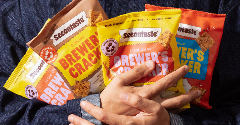
How Secon Taste is putting upcycled snacks on shelves
4 Aug 2026
Hungarian zero-waste startup Secon Taste is turning surplus food into upcycled snacks such as fibre-packed granola, instant porridge, and a circular coffee-tasting box.
Read more
Codex sets global thresholds for ‘may contain’ labels
3 Aug 2026
Codex Alimentarius has adopted its first global guidance on when to use “may contain” allergen warnings, setting thresholds intended to stop the label being used as blanket legal cover.
Read more