
Ingredients Categories
Finished Products
Finished Food Categories
- Bakery
- Beverages / Juices
- Cereal and grain products
- Confectionery
- Cooking Fats & Oils
- Dairy
- Egg products
- Fruits & Vegetables
- Infant & Baby food
- Meat, Poultry & Fish
- Nuts & Seeds products
- Other Finished Food Categories
- Pet Food
- Plant-based foods
- Prepared foods
- Sauces & Seasonings
- Sweet & Savoury Spreads
Specialised Finished Products
- Bee products
- Biotic products
- Dietary supplements
- Energy drinks
- Functional beverages
- Functional confectionery
- Functional food
- Functional powders
- Meal replacement products
- Nutricosmetics
- Other Specialised Finished Products
- Pet Dietary Supplements
- Pharma and OTC products
- Protein products
- Sugar replacers / Sweeteners
Health & Wellness Areas
Delivery Formats
Operations & Services
- 3D printing
- Analysis/ Testing
- Auditing & certifications
- Blending & mixing
- Bottling
- Certification
- Clinical trials
- Co-packing
- Coating
- Consulting
- Contract manufacturing
- Drying
- Electrospinning
- Encapsulating
- Enzymatic processing
- Extracting
- Extrusion
- Fat structuring
- Fermentation
- Filling
- Flavour development
- Freeze drying
- Granulating/ grinding/ milling / mixing
- High-pressure processing
- Labelling
- Other Operations & Services
- Packaging
- Packet filling
- Pasturising
- Quality assurance
- Saccharification
- Shear cell processing
- Spray drying
- Sterilisation
- Storage & Logistics
- Tabletting
- Toasting / roasting
- Ultra-high temperature processing
News
COP16: How biodiversity loss is driving change to the global food system
Rik Moors 18 Oct 2024The food industry is positioned to play a crucial role at the Conference of the Parties (COP) to the Convention on Biological Diversity, known as COP16, which will likely shape the regulatory landscape for years to come.

New commitments made during COP16 are expected to drive further action across the food supply chain, and ingredient companies and food manufacturers that proactively align with biodiversity targets will be better equipped to navigate these changes and seize opportunities in the growing market for sustainable products.
COP16 will take place from 21 October to 1 November in Cali, Colombia. Alongside COP16, Cali will also host the meeting of the parties to the Cartagena Protocol on Biosafety (CP-MOP-11) and the fifth meeting of the parties to the Nagoya Protocol on Access to Genetic Resources and the Fair and Equitable Sharing of the Benefits Arising from their Utilization (NP-MOP-5).
The food industry, one of the key drivers of biodiversity loss, will face increasing scrutiny and pressure to align its practices with the Kunming-Montreal Global Biodiversity Framework (GBF), which was adopted at COP15 in 2022. This framework has set ambitious targets, including the protection of 30% of the world’s land and sea areas by 2030, and will be central to discussions at COP16.
Food systems: The leading driver of biodiversity loss
Food production is responsible for up to 80% of the world’s biodiversity loss and deforestation, according to the United Nations. The expansion of agriculture, unsustainable fishing practices, and land conversion for food production are directly linked to habitat destruction and ecosystem degradation. The global demand for palm oil, soy, meat, and other commodities has driven large-scale deforestation and biodiversity loss, especially in tropical regions such as the Amazon, Southeast Asia, and Central Africa.
The GBF highlights the significant role that food manufacturers and ingredient suppliers play in contributing to biodiversity loss, but also in offering solutions. Several key targets from the framework, such as Target 7 (reducing pollution, including pesticides) and Target 10 (enhancing biodiversity and sustainability in agriculture, aquaculture, fisheries, and forestry), are directly relevant to food systems.
Growing regulatory pressure on food manufacturers
At COP16, discussions will focus on translating the GBF’s targets into enforceable regulations that will impact the food industry. Countries are expected to present their National Biodiversity Strategies and Action Plans, outlining how they will reduce pollution, minimise habitat destruction, and promote sustainable land use in agriculture.
For food manufacturers, this could mean more stringent regulations around deforestation, pesticide use, and water consumption. The European Union’s upcoming (but likely delayed) ban on products linked to deforestation – under the EU Deforestation Regulation (EUDR) – serves as an example of the regulatory shifts expected to accelerate following COP16. These regulations aim to ensure that products imported into the EU do not contribute to biodiversity loss, which could impact suppliers of key ingredients such as soy, palm oil, and cocoa.
Moreover, the Corporate Sustainability and Due Diligence Directive (CSDDD) in Europe is pushing food companies to measure and report their impacts on biodiversity, alongside other environmental metrics like carbon emissions and water usage. And in Japan, regulatory frameworks such as the Taskforce for Nature-Related Financial Disclosures (TNFD) are also encouraging corporate reporting on biodiversity risks.
Corporate action: The role of food and ingredient companies
In the run-up to COP16, major food manufacturers and ingredient companies have already begun to step up their biodiversity commitments. Nestlé, Danone, Unilever, and other large corporations have signed the Business for Nature coalition’s statement, urging governments to adopt more ambitious biodiversity policies. This growing corporate engagement reflects a recognition that biodiversity loss poses long-term risks to supply chains and food security.
The Business for Nature coalition has also called for more regulatory and financial support to aid the transition to regenerative agriculture, a model that aims to rebuild soil health, enhance biodiversity, and increase carbon sequestration. Regenerative practices, such as agroecology, crop diversification, and reduced chemical inputs, are gaining traction among food companies seeking to mitigate their environmental impact.
One of the key areas where food manufacturers can make a significant difference is in reducing the use of pesticides and harmful chemicals. Target 7 of the GBF calls for a 50% reduction in the risk posed by pesticides and highly hazardous chemicals by 2030. Integrated pest management strategies, which focus on minimising chemical use while preserving agricultural productivity, are expected to become more widespread as part of this shift. Food manufacturers are likely to face increasing pressure from both regulators and consumers to source ingredients from suppliers that use such sustainable practices.
Potential industry impacts of biodiversity loss agreements
The consequences of failing to address biodiversity loss are profound. Ecosystem services – such as pollination, water filtration, and climate regulation – are essential to food production. Biodiversity loss threatens the resilience of food systems, which are already vulnerable to climate change and other environmental stressors.
For ingredient suppliers, biodiversity loss could lead to disruptions in the availability of raw materials, higher prices for sustainable commodities, and greater supply chain risks. Companies that do not transition to sustainable sourcing practices may face regulatory penalties, restricted market access, and reputational damage as consumer awareness of biodiversity issues continues to grow.
However, there are also significant opportunities for those that lead the transition toward sustainability. By adopting biodiversity-friendly practices, such as regenerative agriculture and sustainable wild harvesting, food companies can not only reduce their environmental footprint but also differentiate themselves in the marketplace.

Get more of our news on Google
Set Ingredients Network as a 'Preferred Source' to get quicker access to the news you value.
Related news

Do the US dietary guidelines put UPFs under pressure?
10 Sep 2026
Will the US dietary guidelines change the way Americans eat, swapping ultra-processed foods for whole foods? We asked Dr Barry Popkin, renowned nutrition and obesity researcher.
Read more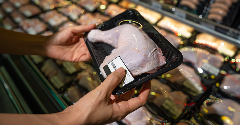
EU's ban on Brazilian meat expected to raise prices
7 Sep 2026
Around 25% of the EU’s imported chicken and beef comes from Brazil. From September, products that fail to meet the EU antimicrobial resistance rules will be banned.
Read more
Skimpflation: An ‘unfair’ and risky approach to keeping prices low
2 Sep 2026
Consumers see skimpflation – reducing the quality of ingredients due to rising costs – as more unfair than shrinkflation, making it a risky strategy according to recent research.
Read more
‘Urgent gaps’ in achieving 2030 food system goals
27 Aug 2026
Global food systems are failing to meet 2030 targets across indicators including health, environment, and resilience, according to a report co-authored by the Food and Agriculture Organisation (FAO).
Read more
Seven-Eleven uses microbial testing tech to extend katsudon shelf life
26 Aug 2026
Japanese retail company Seven-Eleven has improved its factory’s microbial environment to keep comfort-food staple, katsudon, fresher for longer.
Read more
Chimac’s fusion sauces bring Korean flavours to Europe
25 Aug 2026
Irish sauce brand Chimac is tapping into Korea’s culinary traditions, bringing its flavours and products to European consumers who want a taste of K-food.
Read more
Global demand for instant noodles continues to rise
24 Aug 2026
Global demand for instant noodles reached 124.21 billion servings last year, representing a 0.7% year-on-year increase – or 900 million extra servings.
Read more
Popular barbecue staples experience sharp price increases
19 Aug 2026
The typical cost of US shoppers’ barbecue baskets has risen by 12% over the past year – the fastest annual rise in a decade, figures from The Economist show.
Read more
Hot NPD: Nissin launches first cold-water Cup Noodles
18 Aug 2026
Nissin is taking one of Japan’s most iconic instant meals in a completely new direction with the launch of the first cold water-only Cup Noodles in the brand’s 55-year history.
Read more
Manam Chocolate aims to bring premium Indian cacao to 'the world stage'
11 Aug 2026
Craft chocolate brand Manam Chocolate is investing in local expansion and supply chain innovation throughout India as it works to build out the premium reputation of its locally produced cacao products.
Read more