
Ingredients Categories
Finished Products
Finished Food Categories
- Bakery
- Beverages / Juices
- Cereal and grain products
- Confectionery
- Cooking Fats & Oils
- Dairy
- Egg products
- Fruits & Vegetables
- Infant & Baby food
- Meat, Poultry & Fish
- Nuts & Seeds products
- Other Finished Food Categories
- Pet Food
- Plant-based foods
- Prepared foods
- Sauces & Seasonings
- Sweet & Savoury Spreads
Specialised Finished Products
- Bee products
- Biotic products
- Dietary supplements
- Energy drinks
- Functional beverages
- Functional confectionery
- Functional food
- Functional powders
- Meal replacement products
- Nutricosmetics
- Other Specialised Finished Products
- Pet Dietary Supplements
- Pharma and OTC products
- Protein products
- Sugar replacers / Sweeteners
Health & Wellness Areas
Delivery Formats
Operations & Services
- 3D printing
- Analysis/ Testing
- Auditing & certifications
- Blending & mixing
- Bottling
- Certification
- Clinical trials
- Co-packing
- Coating
- Consulting
- Contract manufacturing
- Drying
- Electrospinning
- Encapsulating
- Enzymatic processing
- Extracting
- Extrusion
- Fat structuring
- Fermentation
- Filling
- Flavour development
- Freeze drying
- Granulating/ grinding/ milling / mixing
- High-pressure processing
- Labelling
- Other Operations & Services
- Packaging
- Packet filling
- Pasturising
- Quality assurance
- Saccharification
- Shear cell processing
- Spray drying
- Sterilisation
- Storage & Logistics
- Tabletting
- Toasting / roasting
- Ultra-high temperature processing
News
Diestel is first turkey producer to snag Regenifed certification
Simon Pitman, Freelance Journalist 17 Sep 2024In the US, Diestel Family Ranch, a family-owned turkey farming venture, has become the first producer to gain Regenified certification for its whole turkey and processed turkey product ranges.
The Regenified seal is the first third-party regenerative farming programme to be recognised by the United States Department of Agriculture (USDA) Food Safety and Inspection Services. The certification programme aims to champion regenerative farming practices across the United States and Canada.
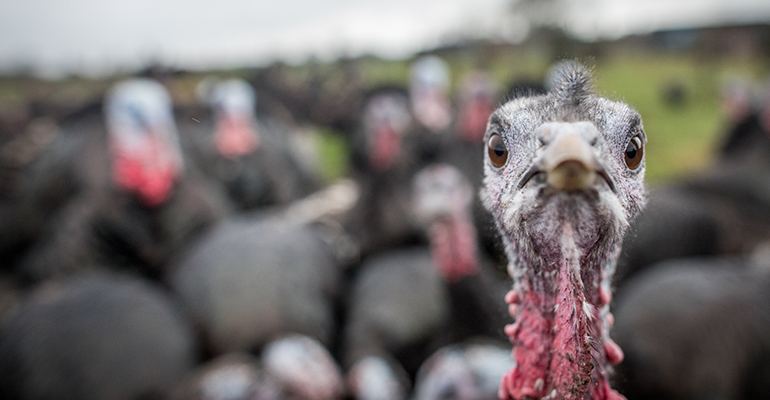
Regenerative farming has gained significant impetus across the global agricultural industry over the past decade, mainly because it employs simple and natural techniques to enhance soil, crop, and animal health, with the ultimate aim of making farms more productive in the long-term.
Diestel is a fourth-generation ranch turkey farming venture and in 1999 it became one of the first poultry farmers in the Nation to adopt organic practices. Building on its sustainable reputation, the business took on the challenge of fulfilling the Regenified 6-3-4 Standard, which began with the sourcing of 650 tonnes of Regenified certified corn, in the spring of this year.
Diestel started to introduce regenerative measures in spring of 2024
Beyond this, the certification has to meet standards based on six principles, three rules and four processes, which include getting soil health right, adaptive stewardship to ensure the right practices are implemented and specific ecosystem processes that must be applied to 40 – 60% of the agricultural farm land.
“The Regenified certification is an important recognition of what has always differentiated Diestel: holistic farming practices that prioritise the turkeys on our farm and the land where they are raised.
“We’re proud to receive this certification, which we believe marks another important milestone to lead the poultry industry forward,” said Heidi Diestel, fourth-generation farmer at Diestel Family Ranch.
Heidi Diestel added that the seal will be used on the future packaging of certified bird products and that the information about the certification process is being disseminated both on the company’s website and through social media.
“To achieve certification, we had to meet Regenified’s rigorous 6-3-4 Standards which include soil health, adaptive stewardship, and ecosystem processes. With their support, Regenified will help us track our progress in advancing regenerative principles to improve biodiversity, soil health, water quality, and nutrient density. We plan to continue and expand these practices over time,” Heidi Diestel explained
Compost, planting trees, and probiotics all play a part
As well as using regeneratively sourced corn feed, the company has also taken measures to ensure a natural habitat for the birds, which includes the ability for them to roam and seek shade from nearby trees. With this in mind, the company has planted over two miles of evergreen perennial shrubs, to both provide enhanced protection for the birds and improve the ranch’s ecosystem.
To improve the quality of the soil—an integral part of regenerative farming—, the company has chosen to turn its organic waste into nutrient-intense compost, redirecting over 2,000 tonnes of waste that otherwise would have gone to landfill, which instead ends up providing around 6,350 tonnes of compost that helps enrich the soil’s microbiology.
Avoiding unnecessary chemicals is another important element in gaining the certification, and one that has led Diestel to use probiotics in the birds’ feed to eliminate the need for traditional chemicals such as chlorine. This helps to enhance the health of the flock naturally, without negatively impacting the ecosystem.
"Diestel is leading the industry into the future," said Salar Shemirani, CEO of Regenified. "Their commitment to regenerative agriculture extends beyond the farm and the environment, positively impacting the entire supply chain through off-farm purchases of regenerative feed."

Get more of our news on Google
Set Ingredients Network as a 'Preferred Source' to get quicker access to the news you value.
Related news

M&S launches own-brand pet food range
11 Sep 2026
UK retailer Marks & Spencer has launched its own-brand pet food line Paws & Pals – a well-timed and strategic move that will appeal to loyal shoppers, says a marketing expert.
Read more
Do the US dietary guidelines put UPFs under pressure?
10 Sep 2026
Will the US dietary guidelines change the way Americans eat, swapping ultra-processed foods for whole foods? We asked Dr Barry Popkin, renowned nutrition and obesity researcher.
Read more
Food fraud costs UK economy £2bn each year
9 Sep 2026
Food fraud is costing the UK economy up to £2 billion (€2.3 billion) every year although the food sector is more “resilient” than others, according to a recent study.
Read more
Kellogg accelerates work to remove artificial colours from all US cereals
3 Sep 2026
WK Kellogg has announced an accelerated timeline to eliminate all artificial colours and the chemical preservative, BHT, across its full US portfolio of cereals and cereal packaging.
Read more
‘Urgent gaps’ in achieving 2030 food system goals
27 Aug 2026
Global food systems are failing to meet 2030 targets across indicators including health, environment, and resilience, according to a report co-authored by the Food and Agriculture Organisation (FAO).
Read more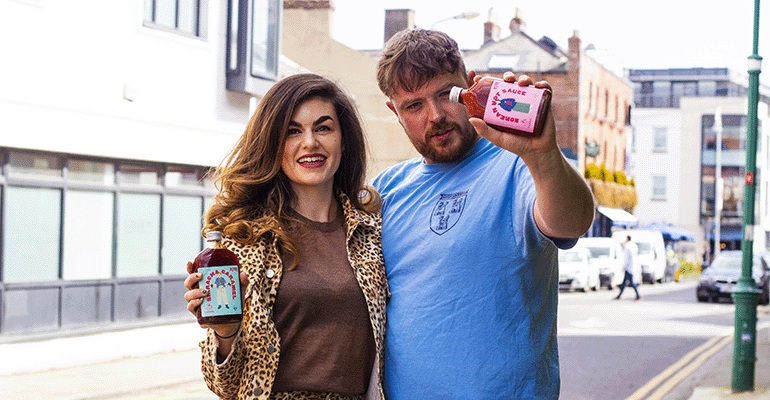
Chimac’s fusion sauces bring Korean flavours to Europe
25 Aug 2026
Irish sauce brand Chimac is tapping into Korea’s culinary traditions, bringing its flavours and products to European consumers who want a taste of K-food.
Read more
Savoury protein snacks shake up the on-the-go market
10 Aug 2026
Sweet flavours have dominated the high-protein snack category but savoury snacks, such as cheese bars and meat sticks, can appeal to health-conscious consumers.
Read more
Nestlé invests in regeneratively farmed wheat for KitKat
5 Aug 2026
Nestlé will pay a premium for Wildfarmed’s regeneratively farmed wheat but the CPG remains reticent to promote the move on packs of its KitKat bars.
Read more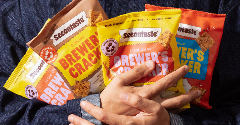
How Secon Taste is putting upcycled snacks on shelves
4 Aug 2026
Hungarian zero-waste startup Secon Taste is turning surplus food into upcycled snacks such as fibre-packed granola, instant porridge, and a circular coffee-tasting box.
Read more
Codex sets global thresholds for ‘may contain’ labels
3 Aug 2026
Codex Alimentarius has adopted its first global guidance on when to use “may contain” allergen warnings, setting thresholds intended to stop the label being used as blanket legal cover.
Read more