
Ingredients Categories
Finished Products
Finished Food Categories
- Bakery
- Beverages / Juices
- Cereal and grain products
- Confectionery
- Cooking Fats & Oils
- Dairy
- Egg products
- Fruits & Vegetables
- Infant & Baby food
- Meat, Poultry & Fish
- Nuts & Seeds products
- Other Finished Food Categories
- Pet Food
- Plant-based foods
- Prepared foods
- Sauces & Seasonings
- Sweet & Savoury Spreads
Specialised Finished Products
- Bee products
- Biotic products
- Dietary supplements
- Energy drinks
- Functional beverages
- Functional confectionery
- Functional food
- Functional powders
- Meal replacement products
- Nutricosmetics
- Other Specialised Finished Products
- Pet Dietary Supplements
- Pharma and OTC products
- Protein products
- Sugar replacers / Sweeteners
Health & Wellness Areas
Delivery Formats
Operations & Services
- 3D printing
- Analysis/ Testing
- Auditing & certifications
- Blending & mixing
- Bottling
- Certification
- Clinical trials
- Co-packing
- Coating
- Consulting
- Contract manufacturing
- Drying
- Electrospinning
- Encapsulating
- Enzymatic processing
- Extracting
- Extrusion
- Fat structuring
- Fermentation
- Filling
- Flavour development
- Freeze drying
- Granulating/ grinding/ milling / mixing
- High-pressure processing
- Labelling
- Other Operations & Services
- Packaging
- Packet filling
- Pasturising
- Quality assurance
- Saccharification
- Shear cell processing
- Spray drying
- Sterilisation
- Storage & Logistics
- Tabletting
- Toasting / roasting
- Ultra-high temperature processing
News
Nestlé drops three plant-based brands in UK and Ireland
27 Mar 2023
Nestlé is to axe three plant-based brands, Wunda, Garden Gourmet, and Mezeast, in the UK and Ireland following disappointing sales that meant the brands were “not viable” in current market conditions.
The three brands will progressively disappear from UK supermarket shelves in the second quarter of this year.
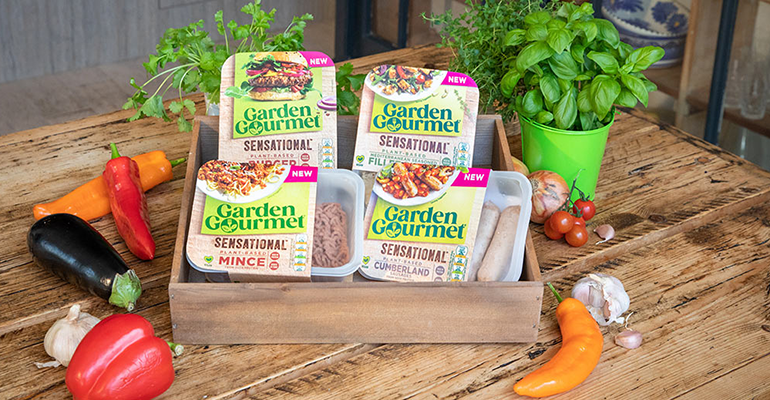
Nestlé launched Wunda, a plant-based drinking milk made from split yellow peas, in the UK and Ireland in 2021, describing it as a versatile choice for people who want a plant-based drink that tastes closer to dairy.
The Garden Gourmet brand makes vegan ready meals and plant-based meat alternatives while Mezeast is a range of Middle Eastern-style seasonings, sauces, meal kits, spreads, and pastes.
Nestlé said it was not abandoning the plant-based category altogether and that many of its other core brands in the UK, such as the Maggi brand, and two meal kit brands that it acquired several years ago, Mindful Cook and Simply Chef, offered plant-based products.
Poor sales despite recent rebranding
Garden Gourmet is a well-established brand outside the UK and will continue to be available in other countries. It will also continue to be sold in the UK in foodservice outlets via Nestlé Professional.
When Wunda launched in 2021, Honza Dusanek, managing director for food and dairy at Nestlé UK and Ireland said: “Our aim with Wunda is to make plant-based milk alternatives an easier and more attractive choice for people who want milk that tastes closer to dairy but remains just as versatile.”
The dairy milk alternative could be cooked and frothed, like dairy milk. “We want Wunda to disrupt the market, to stand out and offer something different to what’s already on the shelves,” Dusanek added.
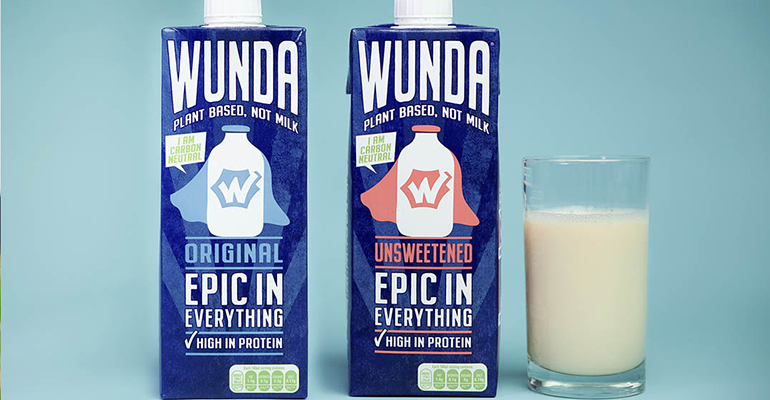 Pictured: Wunda plant-based milk © Nestlé
Despite rebranding Wunda milk in October last year, sales remained poor.
Has the plant-based market become too saturated?
Some commentators suggested Nestlé’s decision to axe the three plant-based brands in the UK were signs of a saturated market that is simultaneously being hit by rising costs and inflation. A growing number of players has increased competition while the war in Ukraine has meant higher prices for raw materials, energy, and transport for producers, suppliers, and manufacturers alike.
Even outside the UK, there are signs that all may not be well in the plant-based category. MorningStar Farms, a Kellogg Company brand that makes vegan and vegetarian food, reported a double-digit decline in revenue throughout most of 2022 and even plant-based heavyweights such as Beyond Meat, Impossible Foods, and Oatly announced plans to restructure and lay off staff to counter falling sales.
Alternative protein investment ‘still strong’, says GFI
Nevertheless, plant-based and animal-free advocacy group, the Good Food Institute (GFI), says that the long-term outlook for alternative protein investment is strong, despite volatile market conditions.
“As companies continue to develop new technologies, as well as scale and optimise production to improve the taste and affordability of products, sales will accelerate and spur additional investment—particularly when macroeconomic and market conditions normalise,” said Sharyn Murray, GFI investor engagement manager, in a statement.
According to GFI, investor appetite for alternative proteins is still strong. It conducted a survey of more than 100 investors active or interested in alternative proteins, which found that 99% said they were optimistic about the alternative protein industry over the long term while 45% said their investments in alternative proteins had not slowed down in 2022.

Get more of our news on Google
Set Ingredients Network as a 'Preferred Source' to get quicker access to the news you value.
Related news

Skimpflation: An ‘unfair’ and risky approach to keeping prices low
2 Sep 2026
Consumers see skimpflation – reducing the quality of ingredients due to rising costs – as more unfair than shrinkflation, making it a risky strategy according to recent research.
Read more
NielsenIQ’s EU barometer shows Britain leading in grocery inflation
31 Aug 2026
Britain was the only country to record grocery inflation above 2%, according to NielsenIQ data that compared Europe’s five biggest grocery markets from February to May 2026.
Read more
‘Urgent gaps’ in achieving 2030 food system goals
27 Aug 2026
Global food systems are failing to meet 2030 targets across indicators including health, environment, and resilience, according to a report co-authored by the Food and Agriculture Organisation (FAO).
Read more
China beverages: Is herbal innovation the future?
20 Aug 2026
Herbal and botanical innovation in China's drinks market continues to grow, with ingredients like astragalus root, ginger, and ginseng in the spotlight – and focus shifting far beyond refreshment.
Read more
Popular barbecue staples experience sharp price increases
19 Aug 2026
The typical cost of US shoppers’ barbecue baskets has risen by 12% over the past year – the fastest annual rise in a decade, figures from The Economist show.
Read more
Beyond 'nice to have': A spotlight on US functional beverages
12 Aug 2026
Functional beverage interest in the US is gaining important ground as consumers now expect function rather than see it as "nice to have", and there are clear market gaps for growth, according to Spate.
Read more
Manam Chocolate aims to bring premium Indian cacao to 'the world stage'
11 Aug 2026
Craft chocolate brand Manam Chocolate is investing in local expansion and supply chain innovation throughout India as it works to build out the premium reputation of its locally produced cacao products.
Read more
Digital twin technology gains ground in food manufacturing
6 Aug 2026
Food and beverage companies are increasingly turning to digital twins to optimise and automate manufacturing processes, but opportunities stretch far beyond this, say experts.
Read more
How Secon Taste is putting upcycled snacks on shelves
4 Aug 2026
Hungarian zero-waste startup Secon Taste is turning surplus food into upcycled snacks such as fibre-packed granola, instant porridge, and a circular coffee-tasting box.
Read more
Codex sets global thresholds for ‘may contain’ labels
3 Aug 2026
Codex Alimentarius has adopted its first global guidance on when to use “may contain” allergen warnings, setting thresholds intended to stop the label being used as blanket legal cover.
Read more