
Ingredients Categories
Finished Products
Finished Food Categories
- Bakery
- Beverages / Juices
- Cereal and grain products
- Confectionery
- Cooking Fats & Oils
- Dairy
- Egg products
- Fruits & Vegetables
- Infant & Baby food
- Meat, Poultry & Fish
- Nuts & Seeds products
- Other Finished Food Categories
- Pet Food
- Plant-based foods
- Prepared foods
- Sauces & Seasonings
- Sweet & Savoury Spreads
Specialised Finished Products
- Bee products
- Biotic products
- Dietary supplements
- Energy drinks
- Functional beverages
- Functional confectionery
- Functional food
- Functional powders
- Meal replacement products
- Nutricosmetics
- Other Specialised Finished Products
- Pet Dietary Supplements
- Pharma and OTC products
- Protein products
- Sugar replacers / Sweeteners
Health & Wellness Areas
Delivery Formats
Operations & Services
- 3D printing
- Analysis/ Testing
- Auditing & certifications
- Blending & mixing
- Bottling
- Certification
- Clinical trials
- Co-packing
- Coating
- Consulting
- Contract manufacturing
- Drying
- Electrospinning
- Encapsulating
- Enzymatic processing
- Extracting
- Extrusion
- Fat structuring
- Fermentation
- Filling
- Flavour development
- Freeze drying
- Granulating/ grinding/ milling / mixing
- High-pressure processing
- Labelling
- Other Operations & Services
- Packaging
- Packet filling
- Pasturising
- Quality assurance
- Saccharification
- Shear cell processing
- Spray drying
- Sterilisation
- Storage & Logistics
- Tabletting
- Toasting / roasting
- Ultra-high temperature processing
News
PepsiCo investing to decarbonise crop production
Kacey Culliney, Freelance Journalist 23 Jun 2026PepsiCo has signed a four-year agreement with Spanish fertiliser specialist Fertiberia aimed at reducing the carbon footprint of its potato and corn production across Europe.
The collaboration builds on a successful trial between the companies in Spain and Portugal where carbon emissions were cut by up to 20% across corn farming and 15% across potato farming.
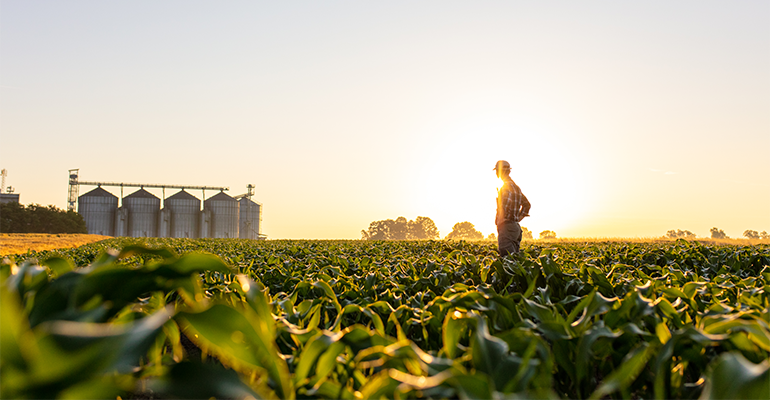
400,000 acres of farmland
The agreement will see Fertiberia's hydrogen-based fertiliser Impact Zero used progressively across 400,000 acres of European farmland over the next four years, through to 2030. Farmers will also benefit from technical guidance and digital precision agriculture tools that use data to optimise application and track implementation.
The farmland selected for the programme features crops that are key for PepsiCo's global snacking portfolio, such as potatoes, corn, sunflower, sugar beet, and rapeseed. Starting in France, Romania, Serbia, Greece, and Turkey, PepsiCo anticipates a wider European roll-out in “the near future”.
Archana Jagannathan, chief sustainability officer at PepsiCo Europe, Middle East and Africa, said regenerative agriculture is a core focus for the company and described the partnership as “ambitious”.
“Switching to low-carbon fertiliser is one of the strongest levers we have to reduce agricultural emissions, and use of digital technology can complement this journey towards food system transformation,” Jagannathan said.
Fertiliser impact
Globally, nitrogen synthetic fertilisers used in agriculture contribute about 2% of total greenhouse gas emissions, according to a report published in Nature in 2022. And the International Fertilizer Association (IFA) said the production of mineral fertilisers alone contributes to an estimated 1.3% of global CO2 emissions, largely because of how carbon-emitting and energy-intensive the process to make ammonia is. Ammonia is the starting point for all mineral nitrogen fertilisers.
For PepsiCo, the production and use of fertilisers is currently responsible for around half of its total average potato carbon footprint in Europe. Fertilisers therefore represent “one of the biggest opportunities for PepsiCo to reduce its agricultural emissions”, it says.
Fertiberia has been developing lower-carbon hydrogen-based fertilisers – produced using renewable hydrogen feedstock – since 2022, along with accompanying technologies it considers crucial in the wider push to transform European agriculture.
“Today, this journey takes on greater meaning thanks to the trust of partners like PepsiCo, with whom we are collaborating to help decarbonise agri-food value chains,” said David Herrero, chief operating officer at Fertiberia. “This is not just about fertilisers; it's about demonstrating the importance of collaboration and showing that innovation, when shared, can drive both climate action and food security across Europe.”
When combined with PepsiCo's existing supplier agreements, the Fertiberia collaboration is expected to bring the share of low-carbon fertiliser used in PepsiCo's European supply chain to around 50% by 2030. Farmers already using the Impact Zero fertiliser describe it as a drop-in replacement for traditional fertilisers, with no impact to daily operations, according to the supplier.
PepsiCo’s low-carbon fertiliser deals
PepsiCo's agreement with Fertiberia is not the only deal signed in recent months.
In April, the food and beverage signed a commercial agreement with agricultural fertiliser major CF Industries in the US for the supply of lower-carbon urea ammonium nitrate. The fertiliser will be supplied to farmers growing potatoes for PepsiCo's Frito-Lay range across the US, with PepsiCo stating it formed part of an overarching focus on crops to build a “more resilient, low carbon food system”.
In May, PepsiCo also signed an agreement with ag-tech firm TalusAg to source 30,000 tons per year of low-carbon ammonia. PepsiCo said this deal aimed to create a “strong demand signal for low emissions ammonia” to ultimately help decarbonise fertilisers.
“Decarbonising fertiliser is important to advancing climate progress at scale, but it should be done in a way that works for farmers,” said Margaret Henry, vice president of sustainable and regenerative agriculture at PepsiCo.

Get more of our news on Google
Set Ingredients Network as a 'Preferred Source' to get quicker access to the news you value.
Related news

Do the US dietary guidelines put UPFs under pressure?
10 Sep 2026
Will the US dietary guidelines change the way Americans eat, swapping ultra-processed foods for whole foods? We asked Dr Barry Popkin, renowned nutrition and obesity researcher.
Read more
Food fraud costs UK economy £2bn each year
9 Sep 2026
Food fraud is costing the UK economy up to £2 billion (€2.3 billion) every year although the food sector is more “resilient” than others, according to a recent study.
Read more
Kellogg accelerates work to remove artificial colours from all US cereals
3 Sep 2026
WK Kellogg has announced an accelerated timeline to eliminate all artificial colours and the chemical preservative, BHT, across its full US portfolio of cereals and cereal packaging.
Read more
Skimpflation: An ‘unfair’ and risky approach to keeping prices low
2 Sep 2026
Consumers see skimpflation – reducing the quality of ingredients due to rising costs – as more unfair than shrinkflation, making it a risky strategy according to recent research.
Read more
NielsenIQ’s EU barometer shows Britain leading in grocery inflation
31 Aug 2026
Britain was the only country to record grocery inflation above 2%, according to NielsenIQ data that compared Europe’s five biggest grocery markets from February to May 2026.
Read more
‘Urgent gaps’ in achieving 2030 food system goals
27 Aug 2026
Global food systems are failing to meet 2030 targets across indicators including health, environment, and resilience, according to a report co-authored by the Food and Agriculture Organisation (FAO).
Read more
Chimac’s fusion sauces bring Korean flavours to Europe
25 Aug 2026
Irish sauce brand Chimac is tapping into Korea’s culinary traditions, bringing its flavours and products to European consumers who want a taste of K-food.
Read more
Global demand for instant noodles continues to rise
24 Aug 2026
Global demand for instant noodles reached 124.21 billion servings last year, representing a 0.7% year-on-year increase – or 900 million extra servings.
Read more
Popular barbecue staples experience sharp price increases
19 Aug 2026
The typical cost of US shoppers’ barbecue baskets has risen by 12% over the past year – the fastest annual rise in a decade, figures from The Economist show.
Read more
Hot NPD: Nissin launches first cold-water Cup Noodles
18 Aug 2026
Nissin is taking one of Japan’s most iconic instant meals in a completely new direction with the launch of the first cold water-only Cup Noodles in the brand’s 55-year history.
Read more