
Ingredients Categories
Finished Products
Finished Food Categories
- Bakery
- Beverages / Juices
- Cereal and grain products
- Confectionery
- Cooking Fats & Oils
- Dairy
- Egg products
- Fruits & Vegetables
- Infant & Baby food
- Meat, Poultry & Fish
- Nuts & Seeds products
- Other Finished Food Categories
- Pet Food
- Plant-based foods
- Prepared foods
- Sauces & Seasonings
- Sweet & Savoury Spreads
Specialised Finished Products
- Bee products
- Biotic products
- Dietary supplements
- Energy drinks
- Functional beverages
- Functional confectionery
- Functional food
- Functional powders
- Meal replacement products
- Nutricosmetics
- Other Specialised Finished Products
- Pet Dietary Supplements
- Pharma and OTC products
- Protein products
- Sugar replacers / Sweeteners
Health & Wellness Areas
Delivery Formats
Operations & Services
- 3D printing
- Analysis/ Testing
- Auditing & certifications
- Blending & mixing
- Bottling
- Certification
- Clinical trials
- Co-packing
- Coating
- Consulting
- Contract manufacturing
- Drying
- Electrospinning
- Encapsulating
- Enzymatic processing
- Extracting
- Extrusion
- Fat structuring
- Fermentation
- Filling
- Flavour development
- Freeze drying
- Granulating/ grinding/ milling / mixing
- High-pressure processing
- Labelling
- Other Operations & Services
- Packaging
- Packet filling
- Pasturising
- Quality assurance
- Saccharification
- Shear cell processing
- Spray drying
- Sterilisation
- Storage & Logistics
- Tabletting
- Toasting / roasting
- Ultra-high temperature processing
News
Product trendspotting: Food for blood sugar management
20 Apr 2023
Nestlé USA has launched a new line of ready meals for people managing their blood sugar levels, building on similar launches in Malaysia and China – and products that help control blood sugar levels could be the next big trend, says Mintel.
Today, over 537 million adults are living with diabetes – equivalent to one in 10 – and this number is predicted to rise to 643 million by 2030 and 783 million by 2045, according to the International Diabetes Federation. More than three out of four adults with diabetes live in low- and middle-income countries, with Asia the most affected region.

As rates of type 2 diabetes rise around the world, products that support aspects of health linked to type-2 diabetes – such as controlling blood sugar levels – could become more sought after, according to market research company Mintel.
Pre-diabetes – a serious health condition where blood sugar levels are higher than normal, but not high enough to be diagnosed as type 2 diabetes – can be managed and even reversed by strictly following a healthy, balanced diet that does not cause blood sugar spikes.
Nestlé’s Lean Cuisine range is backed by American Diabetes Association
Nestlé’s latest launch taps into this growing global health demand. Launched under its Lean Cuisine brand, the Balance Bowls range contains four stock-keeping units (SKUs): Tex-Mex Rice and Black Beans; Lemon Garlic Shrimp Stir-Fry; Roasted Eggplant Parmesan Pasta; and Creamy Pasta Primavera.
Made with ingredients such as wholegrain pasta and brown rice, the meals are designed to make it easy for people managing blood sugar levels to enjoy a nutritionally balanced diet with products that are convenient and easy to prepare.
They also meet the American Diabetes Association (ADA) Better Choices for Life Program nutrition guidelines for frozen meals. Each bowl is a source of protein and fibre and the packaging bears the ADA Better Choices for Life logo on the front, making it easier for shoppers to find. The products will be available throughout the US in select retailers.
"Our culinary team worked alongside nutritionists and members of the ADA to ensure that our meals are crafted with filling flavours and well-balanced ingredients that help consumers achieve their personal nutritional goals," said Kat Amrhein, Lean Cuisine brand manager. "Each frozen entrée [main meal] contains 400 calories or less, a serving of vegetables, and zero grams of added sugar."
Nestlé launches blood-sugar management products in Malaysia & China
Jennifer Paine, head of Nestlé's R&D unit for food in Ohio said the company used a test and learn approach to develop the meals through its US R+D Accelerator programme. However, this is not the first time the Swiss food giant has developed packaged food products tailored to the nutritional needs of people monitoring their blood sugar levels.
In Malaysia, Nestlé launched Nutren GlucoSmart, a novel food supplement containing Reducose, a trademarked mulberry leaf extract that is clinically proven to lower blood glucose spikes. This launch was paired with Nutren GlucoSmart, a digital platform that gives users tailored recommendations for prediabetes-friendly meal plans.
Under its YiYang brand in China, Nestlé launched TangLv, a powdered milk beverage also containing Reducose to support healthy ageing while in India, Nestlé uses the website of its Maggi brand to share “diabetic-friendly recipes” with the public. The recipes are based on MyMenu IQ, a nutritional scoring tool developed by Maggi that ranks the nutritional balance of meals.
Ingredient to watch: Chromium for blood sugar control
In the context of growing interest in managing blood glucose levels, chromium could be an ingredient to watch, predicts Mintel.
An essential trace mineral with EU-approved health claims for 'contributing to the normal maintenance of macronutrient metabolism', and for 'contributing to the maintenance of normal blood glucose levels', analysts at Mintel predict chromium could grow in popularity as people look to functional food and drink products to manage their weight and blood sugar levels.
“Chromium's link to blood glucose control and energy metabolism makes it a very relevant nutrient at present, due to rising global rates of type-2 diabetes and obesity,” wrote Emma Schofield, associate director of global food science at Mintel.
“Chromium, in combination with satiating ingredients like fibre, holds potential to grow in supplements and functional food and drink products that help consumers to keep their weight loss journey on track.”
Although chromium is currently listed as an ingredient in less than 1% of global food, drink and supplement launches, Mintel expects this to increase.

Get more of our news on Google
Set Ingredients Network as a 'Preferred Source' to get quicker access to the news you value.
Related news

Skimpflation: An ‘unfair’ and risky approach to keeping prices low
2 Sep 2026
Consumers see skimpflation – reducing the quality of ingredients due to rising costs – as more unfair than shrinkflation, making it a risky strategy according to recent research.
Read more
NielsenIQ’s EU barometer shows Britain leading in grocery inflation
31 Aug 2026
Britain was the only country to record grocery inflation above 2%, according to NielsenIQ data that compared Europe’s five biggest grocery markets from February to May 2026.
Read more
‘Urgent gaps’ in achieving 2030 food system goals
27 Aug 2026
Global food systems are failing to meet 2030 targets across indicators including health, environment, and resilience, according to a report co-authored by the Food and Agriculture Organisation (FAO).
Read more
China beverages: Is herbal innovation the future?
20 Aug 2026
Herbal and botanical innovation in China's drinks market continues to grow, with ingredients like astragalus root, ginger, and ginseng in the spotlight – and focus shifting far beyond refreshment.
Read more
Popular barbecue staples experience sharp price increases
19 Aug 2026
The typical cost of US shoppers’ barbecue baskets has risen by 12% over the past year – the fastest annual rise in a decade, figures from The Economist show.
Read more
Beyond 'nice to have': A spotlight on US functional beverages
12 Aug 2026
Functional beverage interest in the US is gaining important ground as consumers now expect function rather than see it as "nice to have", and there are clear market gaps for growth, according to Spate.
Read more
Manam Chocolate aims to bring premium Indian cacao to 'the world stage'
11 Aug 2026
Craft chocolate brand Manam Chocolate is investing in local expansion and supply chain innovation throughout India as it works to build out the premium reputation of its locally produced cacao products.
Read more
Digital twin technology gains ground in food manufacturing
6 Aug 2026
Food and beverage companies are increasingly turning to digital twins to optimise and automate manufacturing processes, but opportunities stretch far beyond this, say experts.
Read more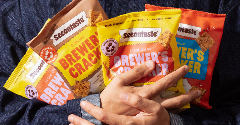
How Secon Taste is putting upcycled snacks on shelves
4 Aug 2026
Hungarian zero-waste startup Secon Taste is turning surplus food into upcycled snacks such as fibre-packed granola, instant porridge, and a circular coffee-tasting box.
Read more
Codex sets global thresholds for ‘may contain’ labels
3 Aug 2026
Codex Alimentarius has adopted its first global guidance on when to use “may contain” allergen warnings, setting thresholds intended to stop the label being used as blanket legal cover.
Read more