
Ingredients Categories
Finished Products
Finished Food Categories
- Bakery
- Beverages / Juices
- Cereal and grain products
- Confectionery
- Cooking Fats & Oils
- Dairy
- Egg products
- Fruits & Vegetables
- Infant & Baby food
- Meat, Poultry & Fish
- Nuts & Seeds products
- Other Finished Food Categories
- Pet Food
- Plant-based foods
- Prepared foods
- Sauces & Seasonings
- Sweet & Savoury Spreads
Specialised Finished Products
- Bee products
- Biotic products
- Dietary supplements
- Energy drinks
- Functional beverages
- Functional confectionery
- Functional food
- Functional powders
- Meal replacement products
- Nutricosmetics
- Other Specialised Finished Products
- Pet Dietary Supplements
- Pharma and OTC products
- Protein products
- Sugar replacers / Sweeteners
Health & Wellness Areas
Delivery Formats
Operations & Services
- 3D printing
- Analysis/ Testing
- Auditing & certifications
- Blending & mixing
- Bottling
- Certification
- Clinical trials
- Co-packing
- Coating
- Consulting
- Contract manufacturing
- Drying
- Electrospinning
- Encapsulating
- Enzymatic processing
- Extracting
- Extrusion
- Fat structuring
- Fermentation
- Filling
- Flavour development
- Freeze drying
- Granulating/ grinding/ milling / mixing
- High-pressure processing
- Labelling
- Other Operations & Services
- Packaging
- Packet filling
- Pasturising
- Quality assurance
- Saccharification
- Shear cell processing
- Spray drying
- Sterilisation
- Storage & Logistics
- Tabletting
- Toasting / roasting
- Ultra-high temperature processing
News
Swedish court overturns prohibition on winery’s use of imported frozen grapes
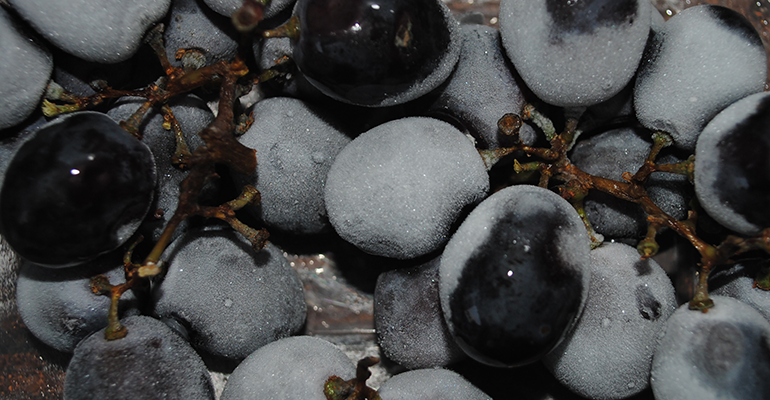
Niamh Michail, Head of Publishing 12 Aug 2024Swedish company Drood Winery has successfully challenged the Swedish Food Agency’s decision to prohibit the production and sale of their product made from frozen grapes imported from Iran.
The Uppsala Administrative Court (Förvaltningsrätten in Swedish) annulled the prohibition while acknowledging that Drood’s product does not constitute wine under Regulation (EU) No. 1308/2013.
EU regulation on grape origins
Regulation (EU) No. 1308/2013 establishes a common organisation of markets in agricultural products, including specific provisions for the wine sector. The regulation sets strict criteria for what can be labelled and marketed as wine within the EU, aiming to protect the integrity and quality of European wines. This includes rules about the origin of grapes, production methods, and labelling standards to ensure consumers receive authentic and high-quality products.
In Drood's case, the Swedish Food Agency (Livsmedelsverket in Swedish) claimed that its product did not meet the EU definition of wine as it is made from frozen grapes imported from Iran, thus violating EU regulations that mandate that only products made from grapes grown and processed in compliance with EU standards can be marketed as wine within the EU.
Aron Lindén, Government Inspector at the Unit for Food Industry and Border Control of the Swedish Food Agency, told Ingredients Network that Sweden applies the common legislation laid down by the European Commission and Parliament, as Sweden does not have any national legislation for wine. “The question of interest in this case was whether you are allowed to produce wine on ‘the European union soil’ (Sweden) from grapes grown and harvested in a third country outside the union. Be it frozen or not,” said Lindén.
“[The court] overruled our ban and their verdict stated that the company have the right to make a beverage from frozen grapes originating from Iran,” he continued. “The beverage however must under no circumstances be labeled nor marketed in any way that allows it to be compared to or confused with wine. It´s not allowed to mislead consumers about this.”
The verdict means Drood can continue to operate as it did prior to the agency’s prohibition. As the court that made the ruling is the first level of three administrative courts for such cases in Sweden, the agency could appeal the judgment a higher court, but it has not made a decision about further legal steps.
Alcoholic beverage made of grapes
Speaking to Ingredients Network, Shahram Soltani, founder and winemaker at Drood, expressed relief and satisfaction with the ruling. “For us the decision means we could follow working the same as before we have been working and are happy to continue,” he said. “We never named our product EU wine or Swedish wine, even before the decision and we haven’t violated the EU regulation. We have been clear about our product and the origin of our grapes,” he continued. “We have named it alcoholic beverage made of grapes from Zagros mountain, Iran.”
With the court’s decision, Drood plans to maintain its current production and marketing strategies. Soltani emphasised the importance of public awareness about the court ruling and is preparing for the upcoming spring season. “We will continue as before and try to let people know about the court decision so they know we are back on track,” he said.
While acknowledging the logic behind EU regulations designed to protect EU winemakers, Soltani said he would like these rules to be clearer and more transparent. He advises other producers to stay informed about their rights and regulatory updates to avoid potential conflicts. “Always try to be updated about the rules and know your rights because anyone could make a mistake, even authorities,” he advised.
Soltani also called for regulatory bodies to be more open-minded towards innovative products that do not fit traditional categories. “They should look into the benefits that innovation can bring. Many cases in the past were initially stopped by old rules but eventually turned out to be very good ideas,” he said.
EU winemaking regulation
Drood’s case is not isolated. Other EU winemakers frequently face regulatory challenges, often related to strict labelling laws. A recent significant change in EU wine labelling regulation, effective from December 2023, requires all wines sold in the EU to display a nutrition declaration and a list of ingredients. This has created a scramble among wineries to comply. Larger producers with in-house laboratories find it easier to adapt, whereas small wineries face higher costs and logistical hurdles.
Another notable incident involves Spanish wine being mislabelled and sold as French, resulting in charges against those responsible. This case, among others, highlights the ongoing challenges and enforcement actions related to wine labelling and origin regulations within the EU.
Post-Brexit, the UK has introduced significant changes to its wine regulations, diverging from the EU rules that British winemakers had to abide by before the country left the Union. The UK government has initiated reforms that aim to remove what it considers “expensive and cumbersome” packaging requirements, such as the mandatory use of foil caps and mushroom stoppers for sparkling wines.
The reforms also include allowing the use of a wider range of grape varieties, including more disease-resistant hybrids, and permitting the blending of imported wines within the UK. The legalisation of piquette production from wine by-products is another notable change.

Get more of our news on Google
Set Ingredients Network as a 'Preferred Source' to get quicker access to the news you value.
Related news

Do the US dietary guidelines put UPFs under pressure?
10 Sep 2026
Will the US dietary guidelines change the way Americans eat, swapping ultra-processed foods for whole foods? We asked Dr Barry Popkin, renowned nutrition and obesity researcher.
Read more
Food fraud costs UK economy £2bn each year
9 Sep 2026
Food fraud is costing the UK economy up to £2 billion (€2.3 billion) every year although the food sector is more “resilient” than others, according to a recent study.
Read more
Skimpflation: An ‘unfair’ and risky approach to keeping prices low
2 Sep 2026
Consumers see skimpflation – reducing the quality of ingredients due to rising costs – as more unfair than shrinkflation, making it a risky strategy according to recent research.
Read more
NielsenIQ’s EU barometer shows Britain leading in grocery inflation
31 Aug 2026
Britain was the only country to record grocery inflation above 2%, according to NielsenIQ data that compared Europe’s five biggest grocery markets from February to May 2026.
Read more
‘Urgent gaps’ in achieving 2030 food system goals
27 Aug 2026
Global food systems are failing to meet 2030 targets across indicators including health, environment, and resilience, according to a report co-authored by the Food and Agriculture Organisation (FAO).
Read more
China beverages: Is herbal innovation the future?
20 Aug 2026
Herbal and botanical innovation in China's drinks market continues to grow, with ingredients like astragalus root, ginger, and ginseng in the spotlight – and focus shifting far beyond refreshment.
Read more
Popular barbecue staples experience sharp price increases
19 Aug 2026
The typical cost of US shoppers’ barbecue baskets has risen by 12% over the past year – the fastest annual rise in a decade, figures from The Economist show.
Read more
Beyond 'nice to have': A spotlight on US functional beverages
12 Aug 2026
Functional beverage interest in the US is gaining important ground as consumers now expect function rather than see it as "nice to have", and there are clear market gaps for growth, according to Spate.
Read more
Manam Chocolate aims to bring premium Indian cacao to 'the world stage'
11 Aug 2026
Craft chocolate brand Manam Chocolate is investing in local expansion and supply chain innovation throughout India as it works to build out the premium reputation of its locally produced cacao products.
Read more
Digital twin technology gains ground in food manufacturing
6 Aug 2026
Food and beverage companies are increasingly turning to digital twins to optimise and automate manufacturing processes, but opportunities stretch far beyond this, say experts.
Read more